What Kind of Hinges a Metal Dutch Door Really Needs
Quick Answer Waterson sells hinges only, not doors. If you need a Dutch door, please contact a local door supplier. Metal Dutch doors are preferred [...]

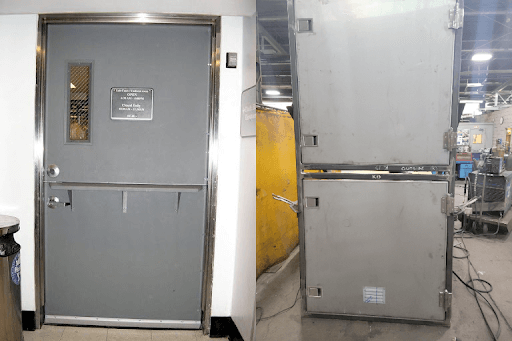
Quick Answer Waterson sells hinges only, not doors. If you need a Dutch door, please contact a local door supplier. Metal Dutch doors are preferred [...]

Quick Answer Spring hinges mount on the door edge like regular hinges, cost less, and stay invisible, but basic models can slam the door. Overhead [...]
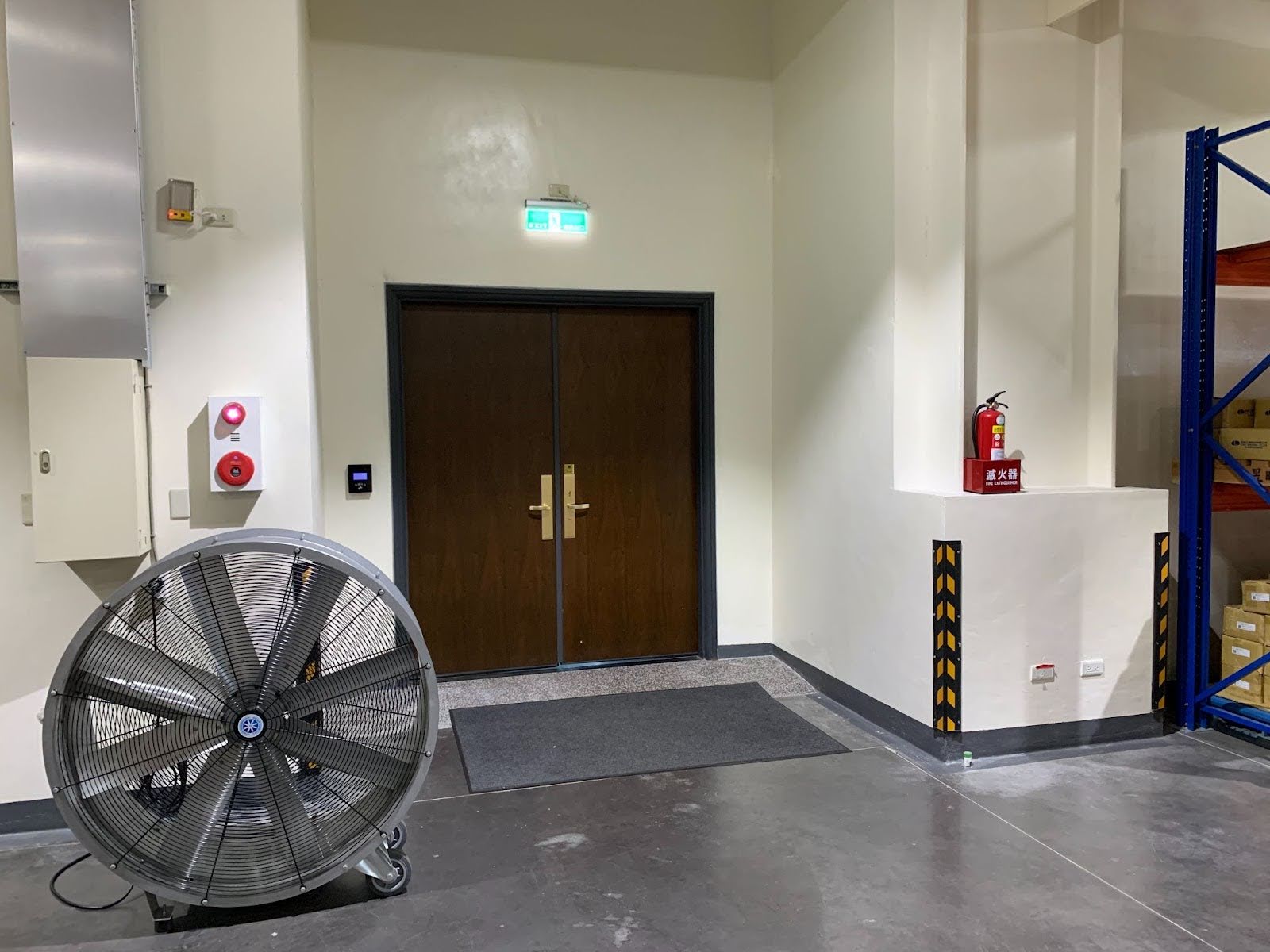
Every AEC professional eventually meets the same question on a tight jobsite: “What if the door swing clearance doesn’t meet ADA requirements—because the wall, frame, [...]
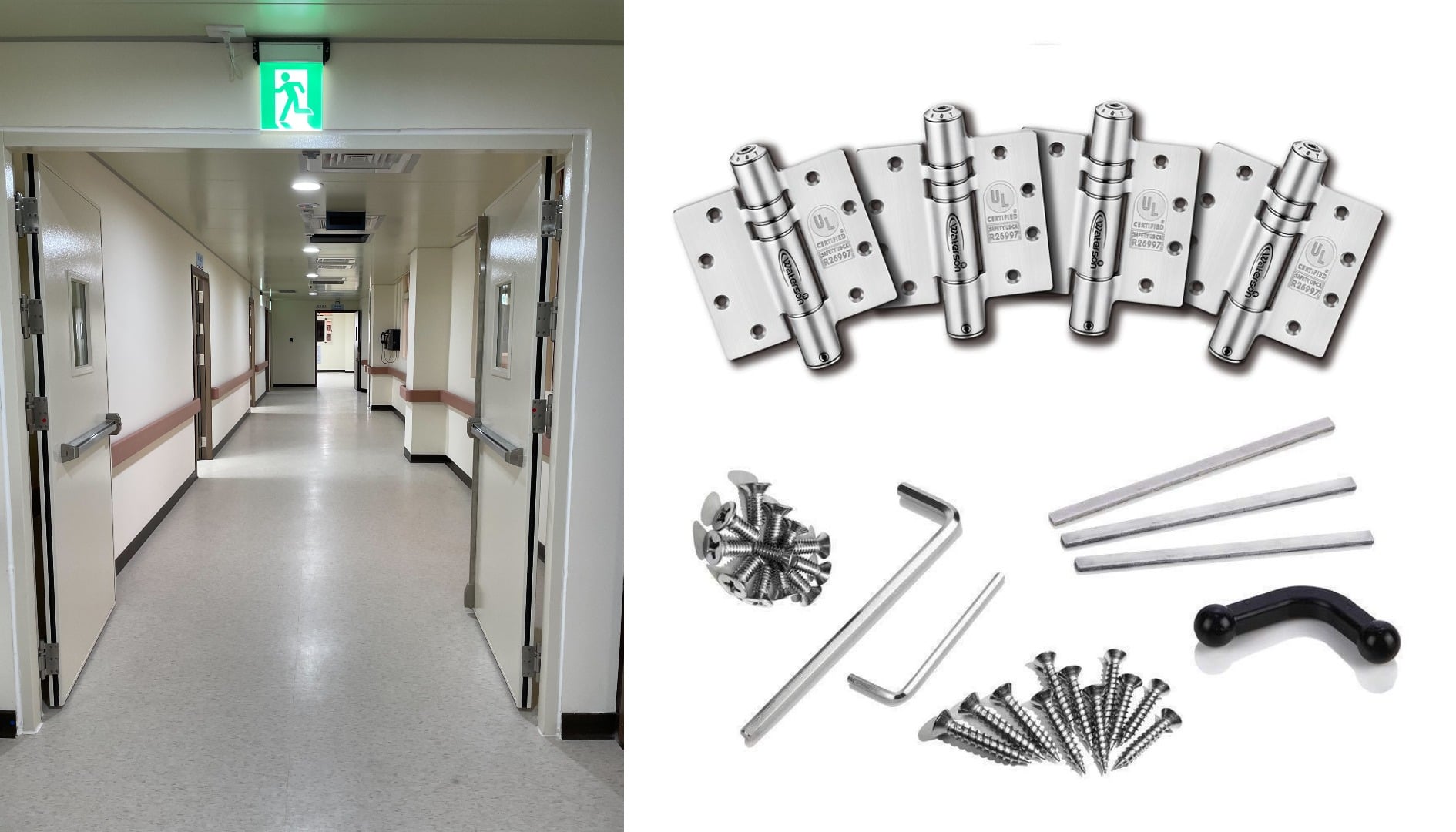
"I don't want to put a... a regular door closer on it cuz it'll be ugly. You know, in the hallway. Plus that thing sits [...]
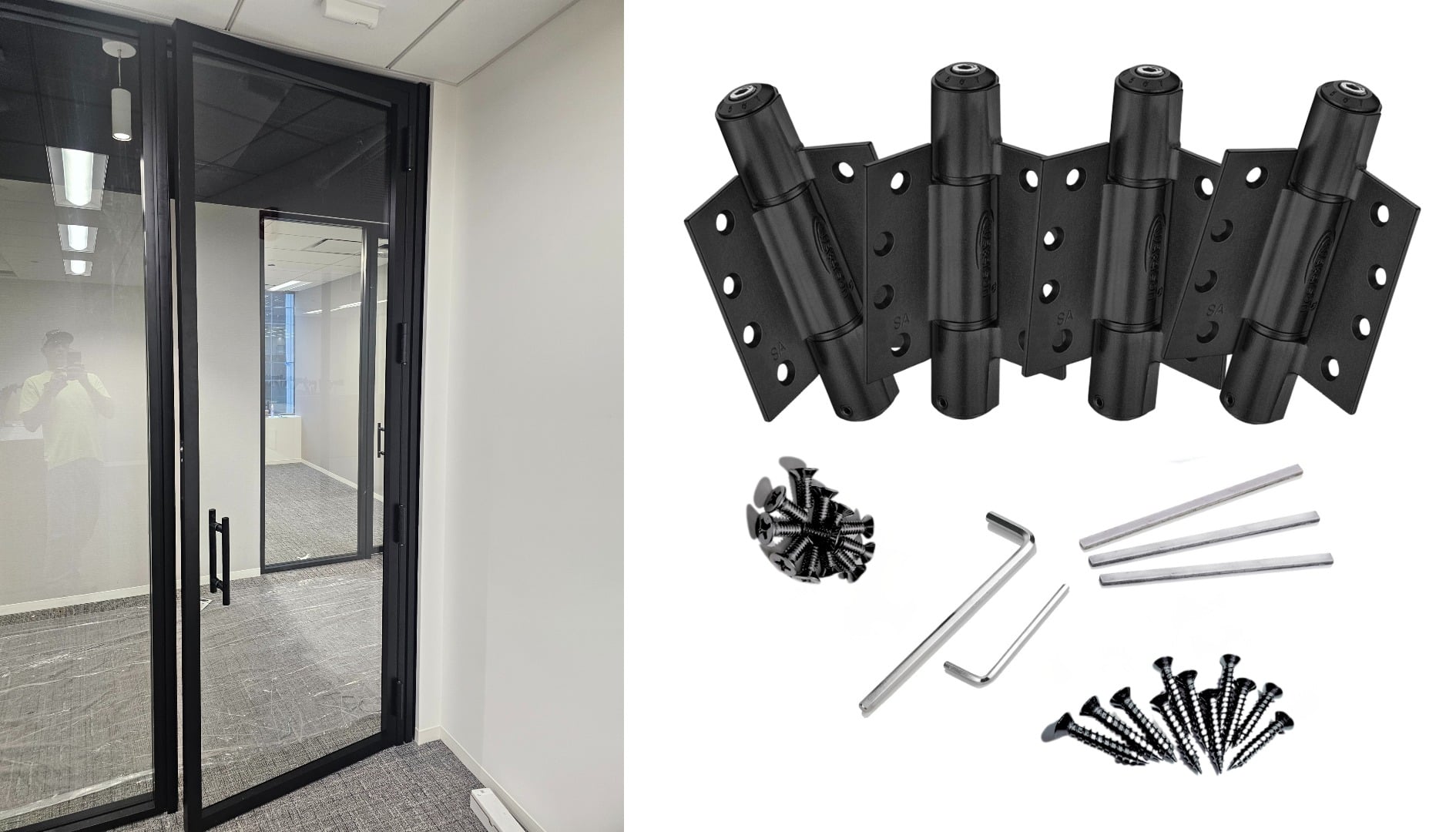
"We installed frameless glass doors in our client's open plan office, and now every door slam echoes through the entire floor. The tenant is also [...]
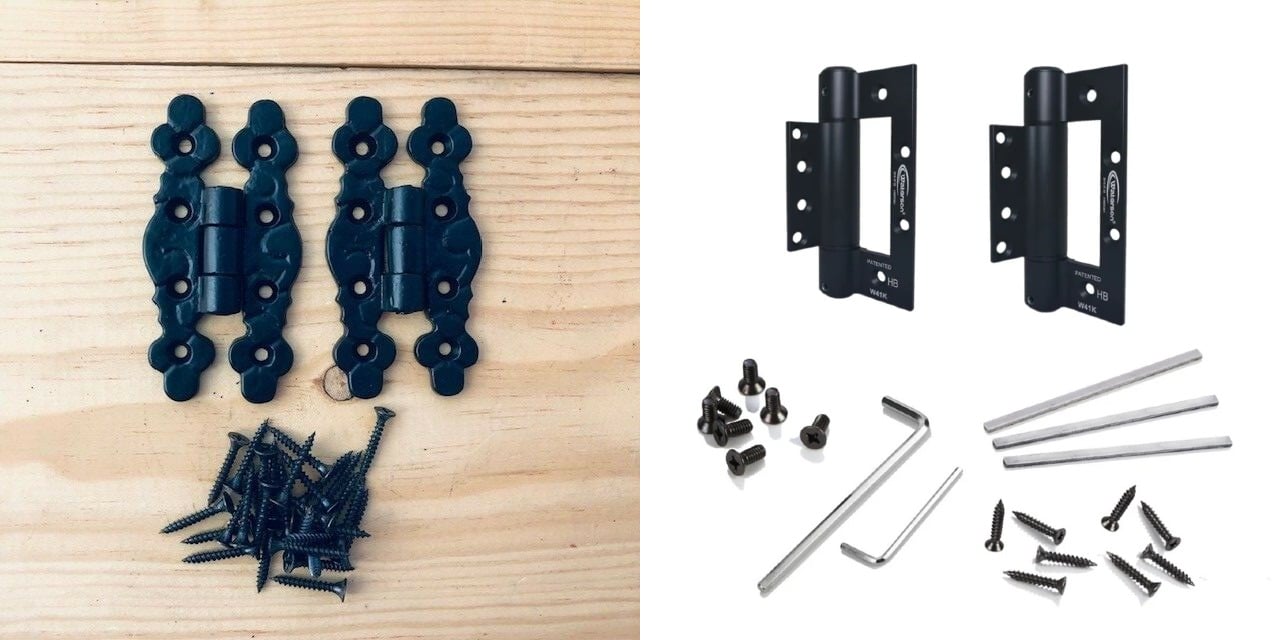
"We have a batch of aluminum interior doors in an office renovation. The frames cannot be routed, and the client rejected surface-mount closers. Someone suggested [...]
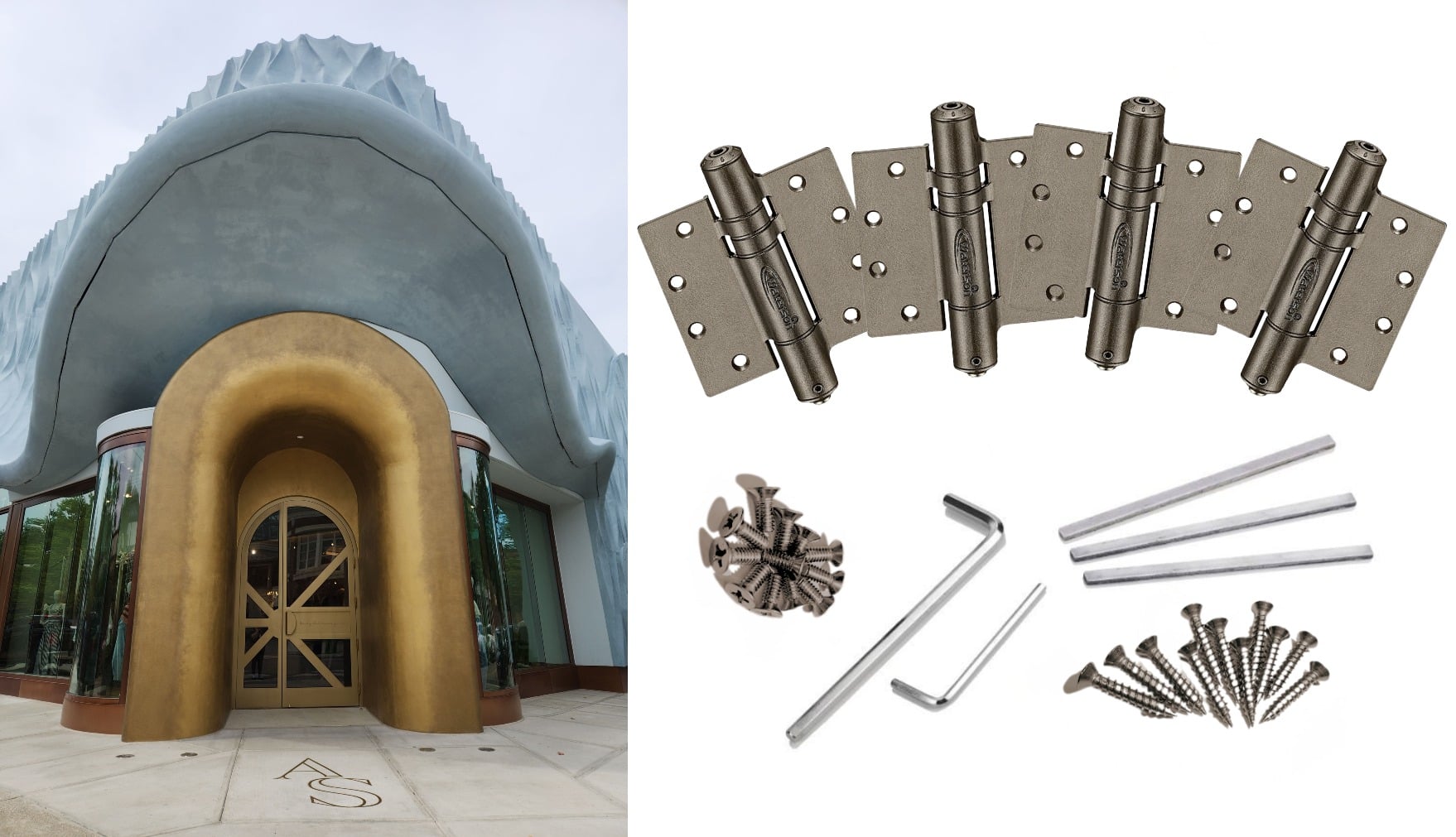
"We manage a retail plaza with twelve tenant entrances. The doors are three years old and we are already replacing hinges on the busiest units. [...]

"Hi, I'm interested to see pricing and product details for the hold open hinges. I own an escape room and am seeking sets to keep [...]
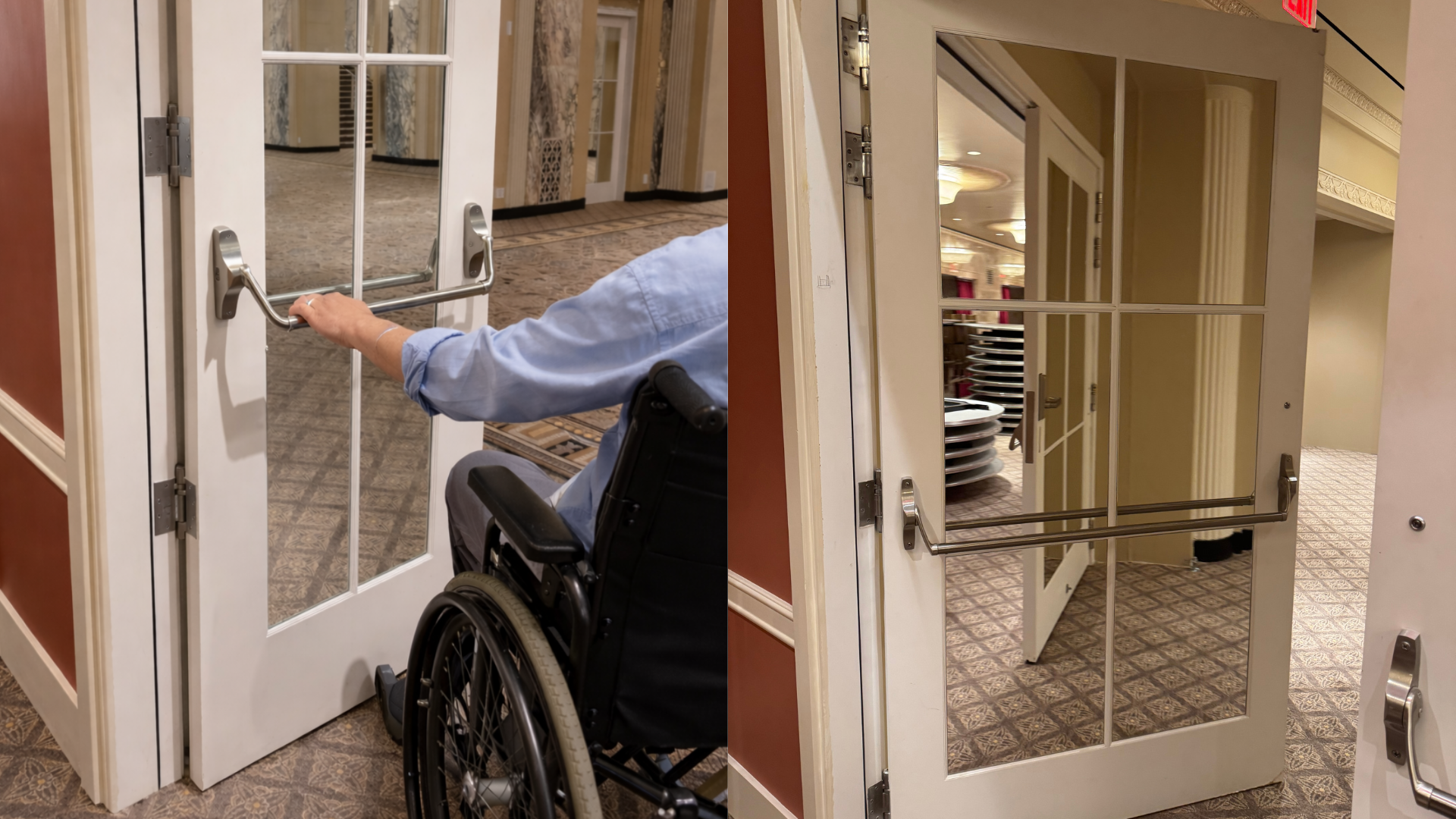
"We manage a 40-unit assisted living community. The fire marshal wants every unit entry door to close and latch on its own, but several of [...]
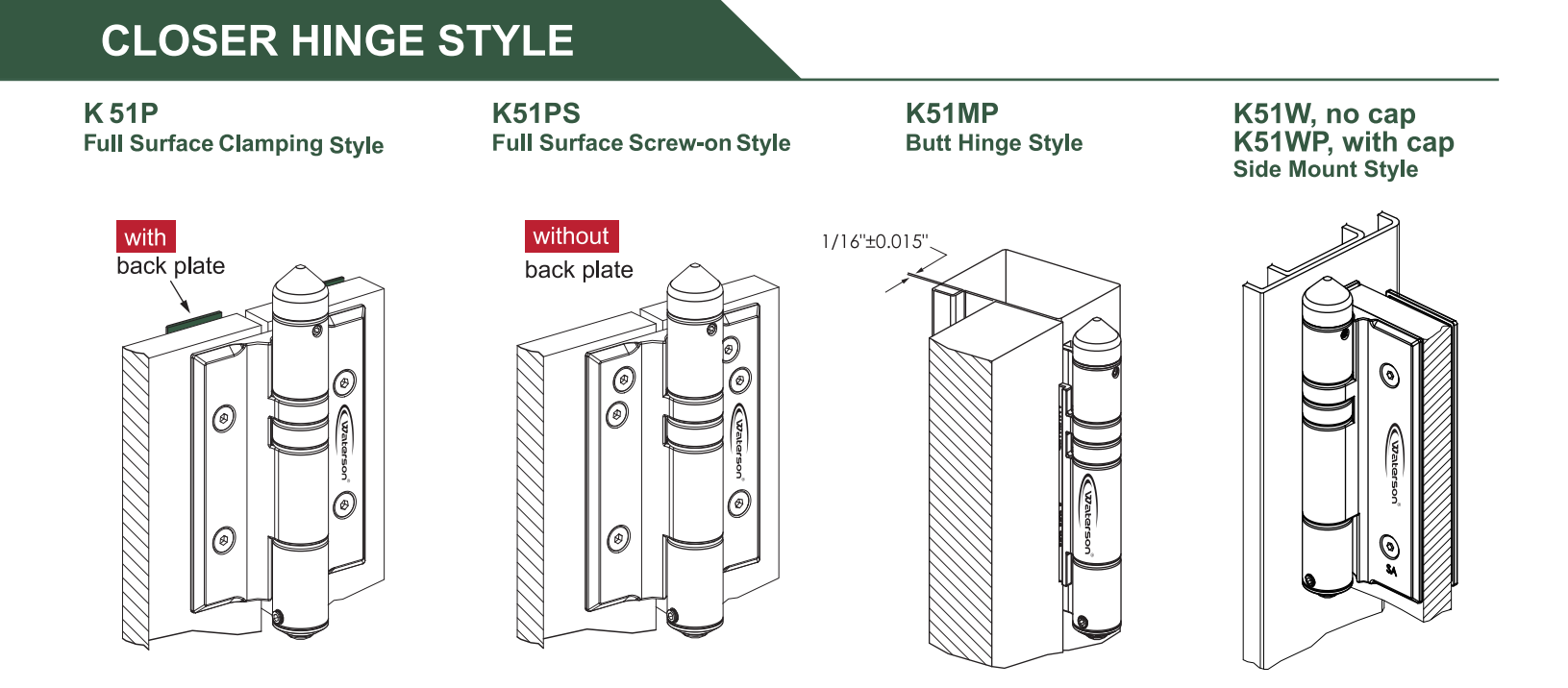
Quick Answer Heavy duty gate hinges come in three main styles: half surface hinges, best for half doors up to 150lbs with ADA compliant vertical [...]