Spring Piano Hinge vs Heavy Duty Self Closing Hinges
Quick Answer Spring piano hinges work well for light to medium doors (up to ~60 lbs for a 24" hinge), but struggle with heavy, high-traffic, [...]


Quick Answer Spring piano hinges work well for light to medium doors (up to ~60 lbs for a 24" hinge), but struggle with heavy, high-traffic, [...]

Quick Answer If your screen door slams or is hard to open, start by tightening the flat head screw on the hydraulic cylinder to slow [...]
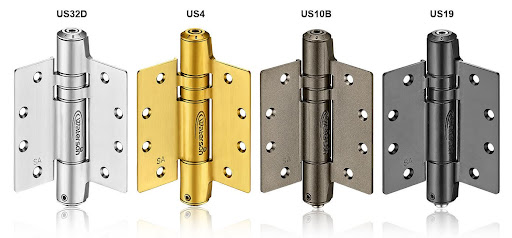
Quick Answer Door hinges come in three main types: heavy duty stainless steel hinges, ideal for commercial and fire rated doors, supporting up to 330lbs [...]
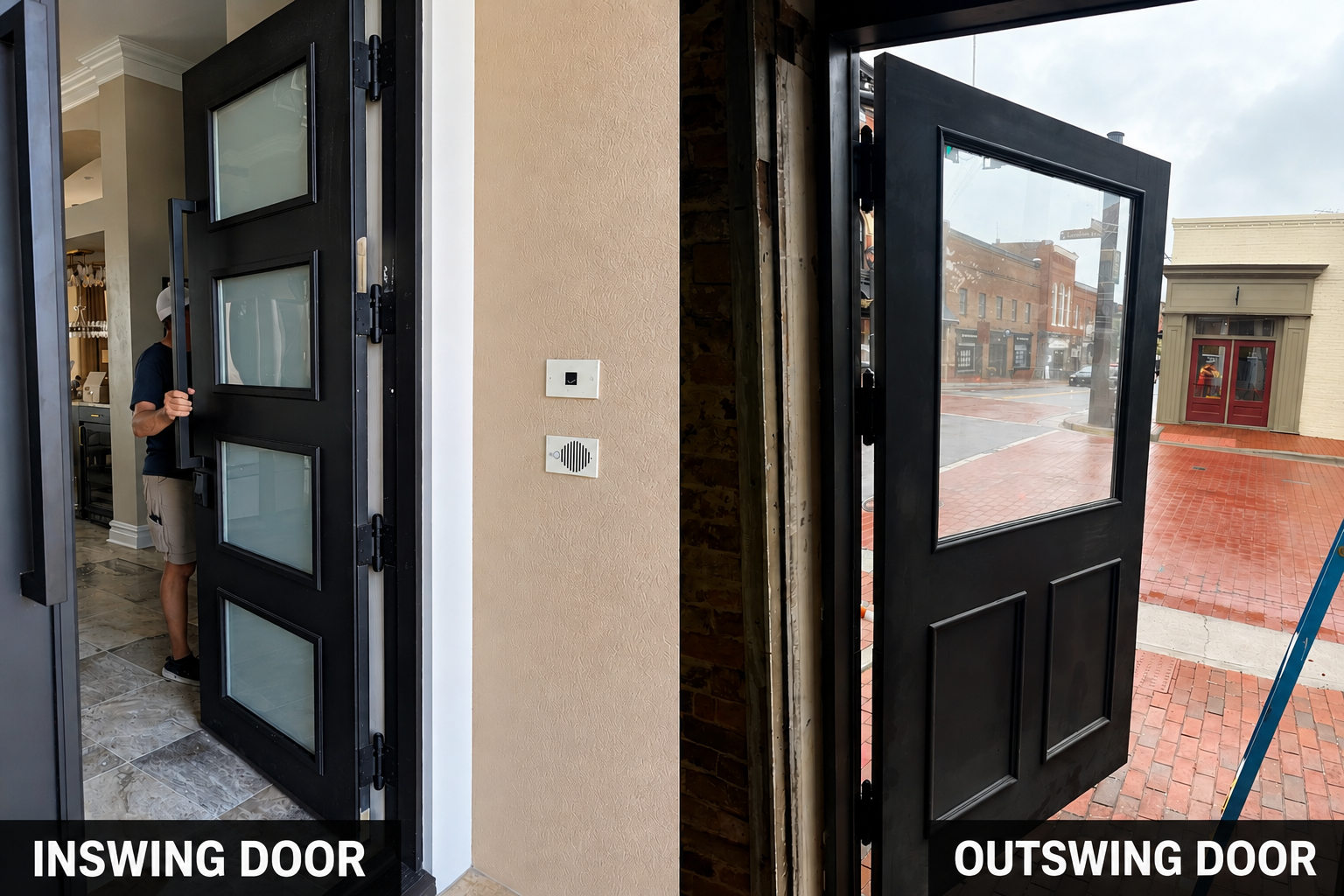
When planning a new build or renovation, one detail that often gets overlooked is the direction your door swings. Inswing or outswing? It sounds like [...]
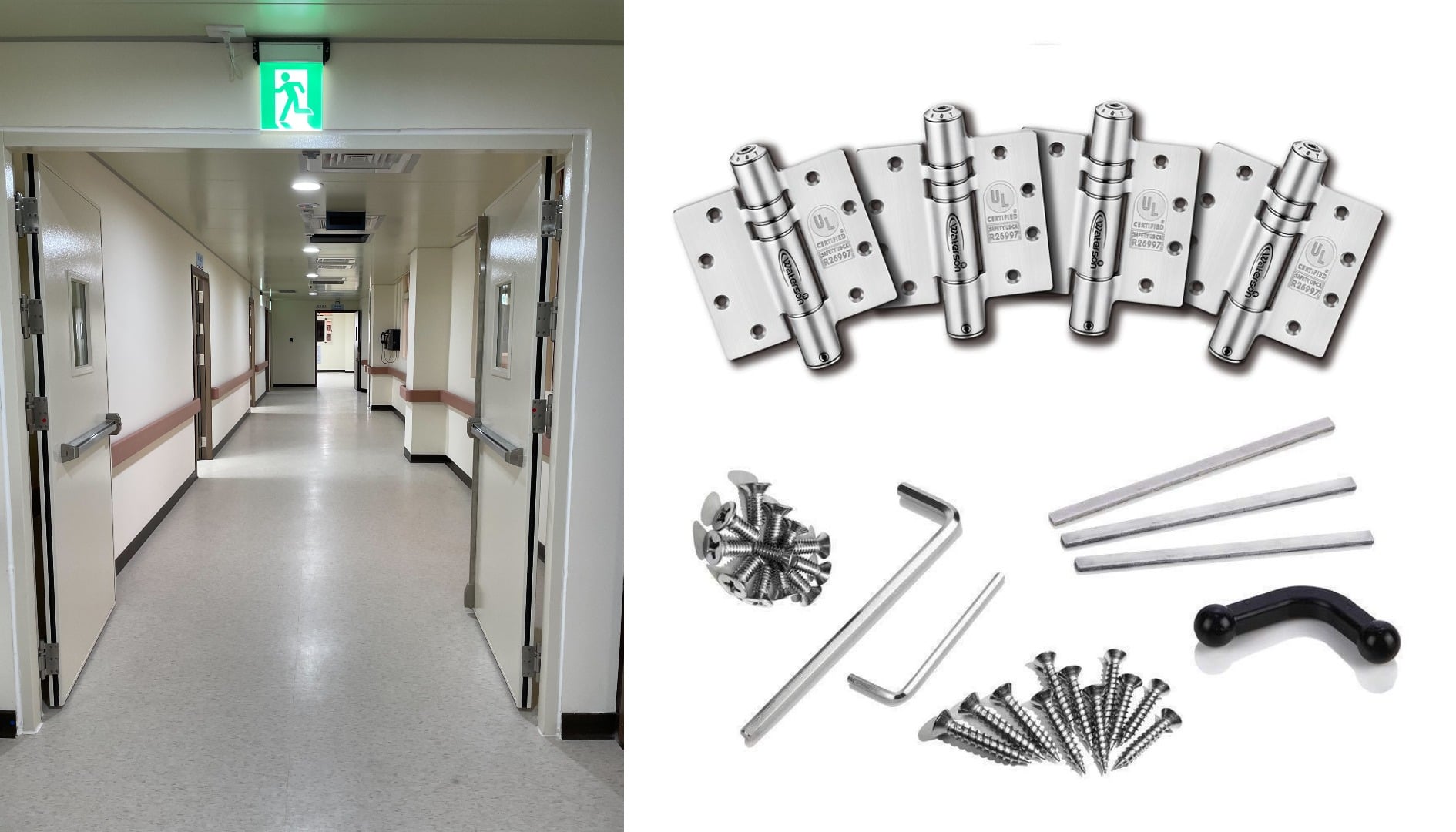
"I don't want to put a... a regular door closer on it cuz it'll be ugly. You know, in the hallway. Plus that thing sits [...]
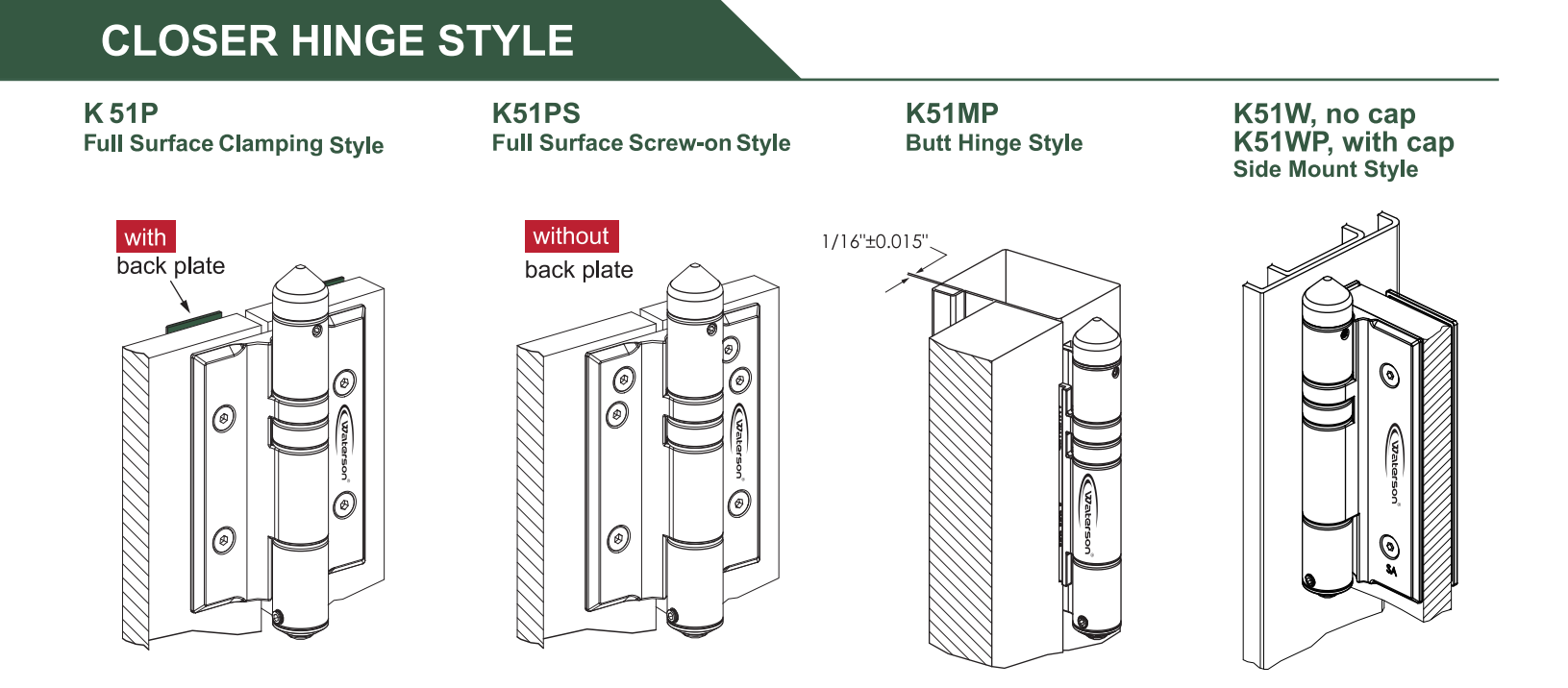
Quick Answer Heavy duty gate hinges come in three main styles: half surface hinges, best for half doors up to 150lbs with ADA compliant vertical [...]

Quick Answer Fire rating classifications measure two different things: fire resistance rating (ASTM E119), which shows how long an assembly like a door can withstand [...]
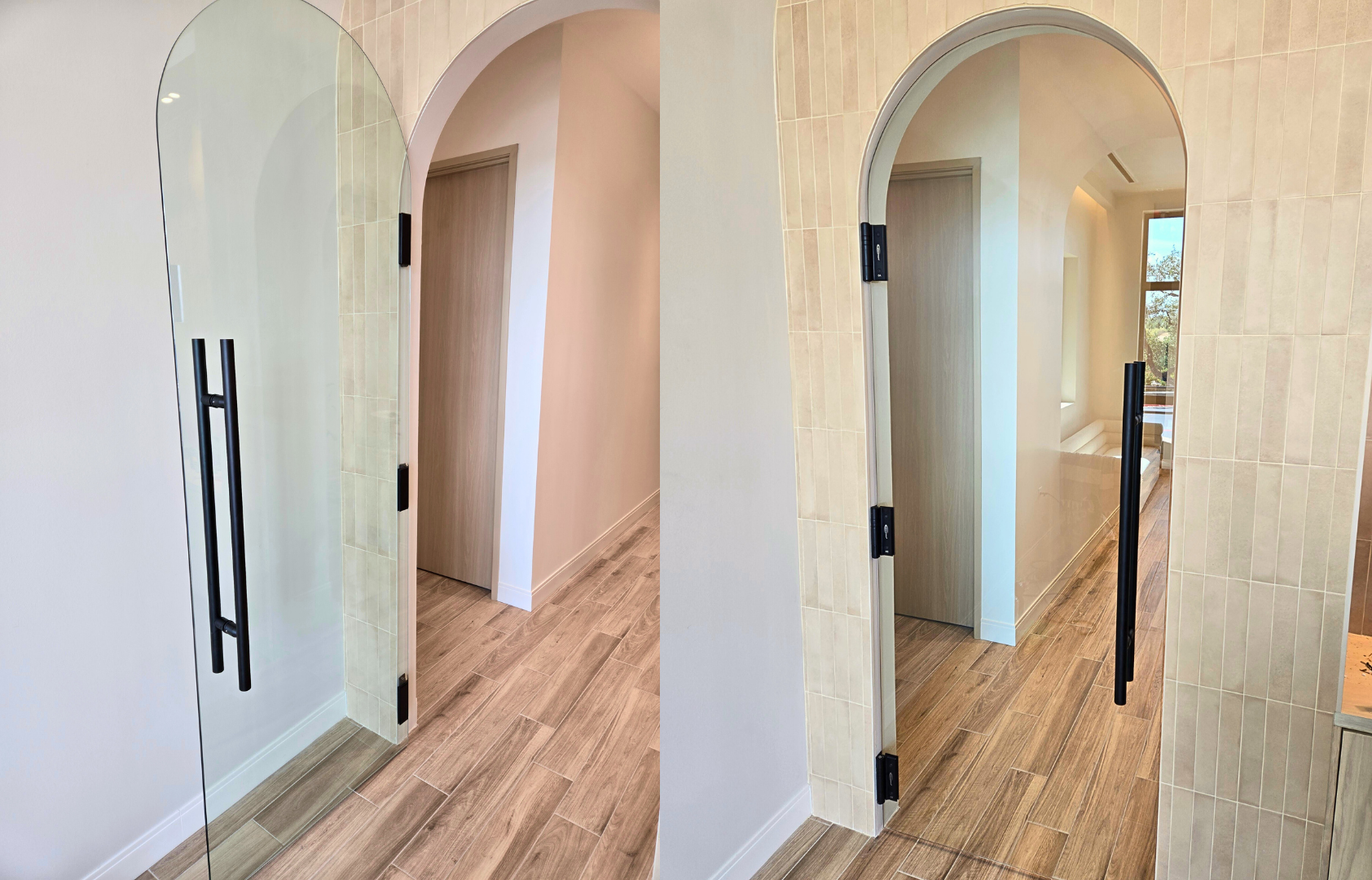
Most commercial self-closing hinges still adopt either spring or hydraulic damper for [...]
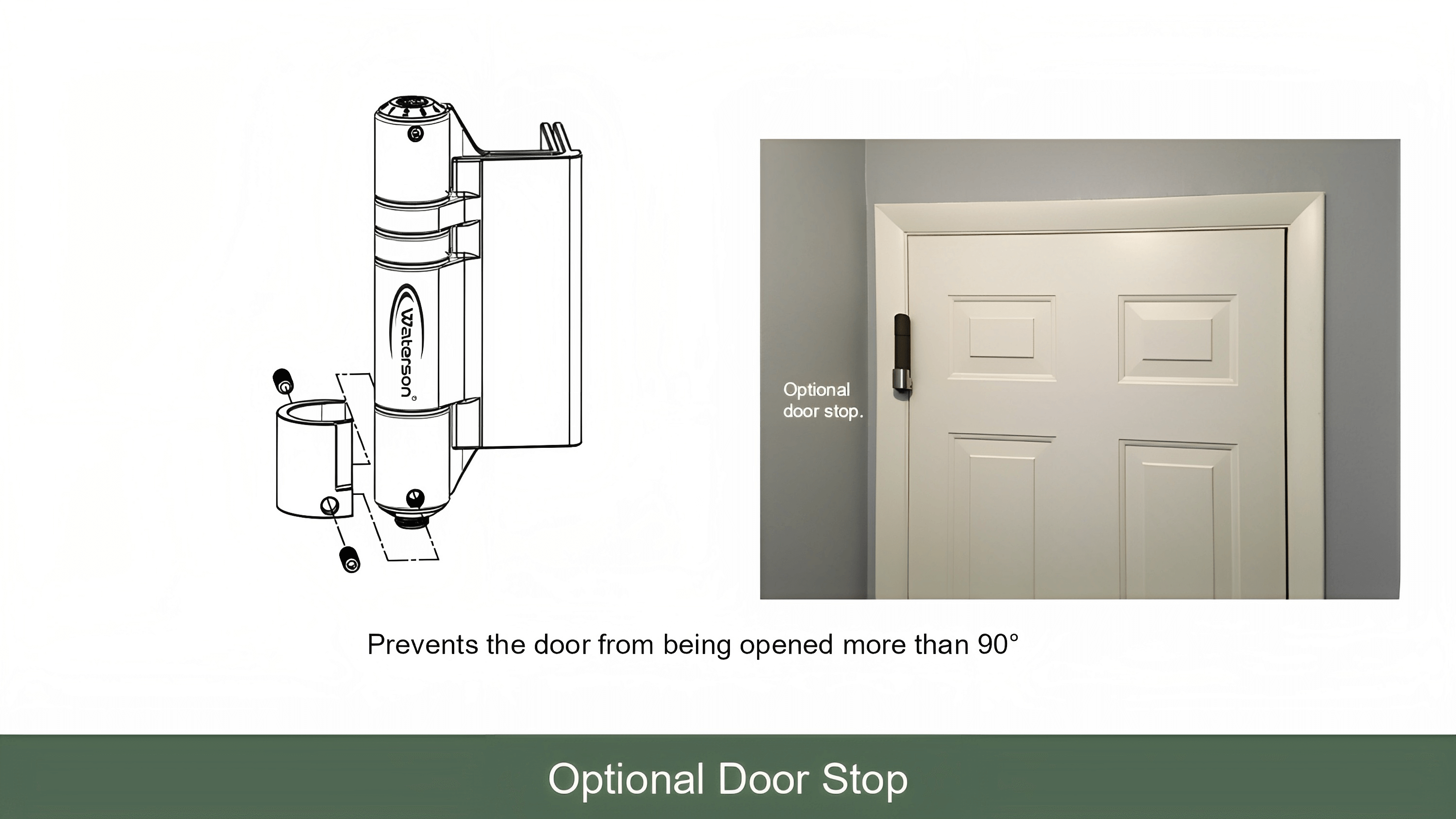
Quick Answer A backcheck is a hydraulic function that slows a door's swing when opened too forcefully, engaging around 70 to 90 degrees to prevent [...]

Quick Answer Heavy duty metal gate hinges for high traffic commercial retail spaces need to combine strength with ADA compliance. Waterson's self closing weld on [...]