Self Close vs Soft Close Hinges: Two Different Needs, Explained
Most commercial self-closing hinges still adopt either spring or hydraulic damper for [...]


Most commercial self-closing hinges still adopt either spring or hydraulic damper for [...]
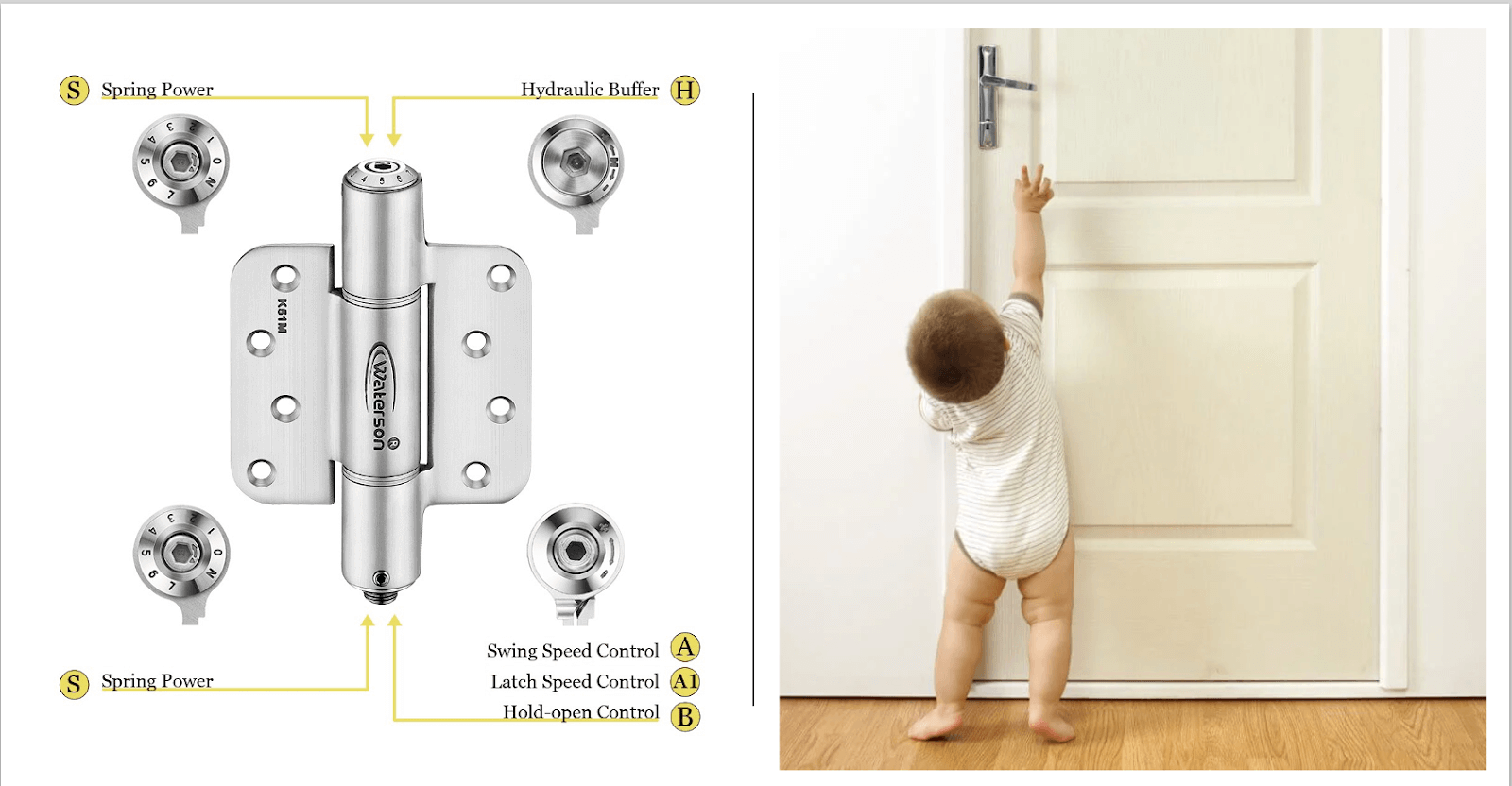
Quick Answer Waterson 4-inch self-closing hinges (K51M-400) fit standard 4" x 4" templates on 1-3/8" or 1-3/4" residential doors, in mechanical or hydraulic versions with [...]
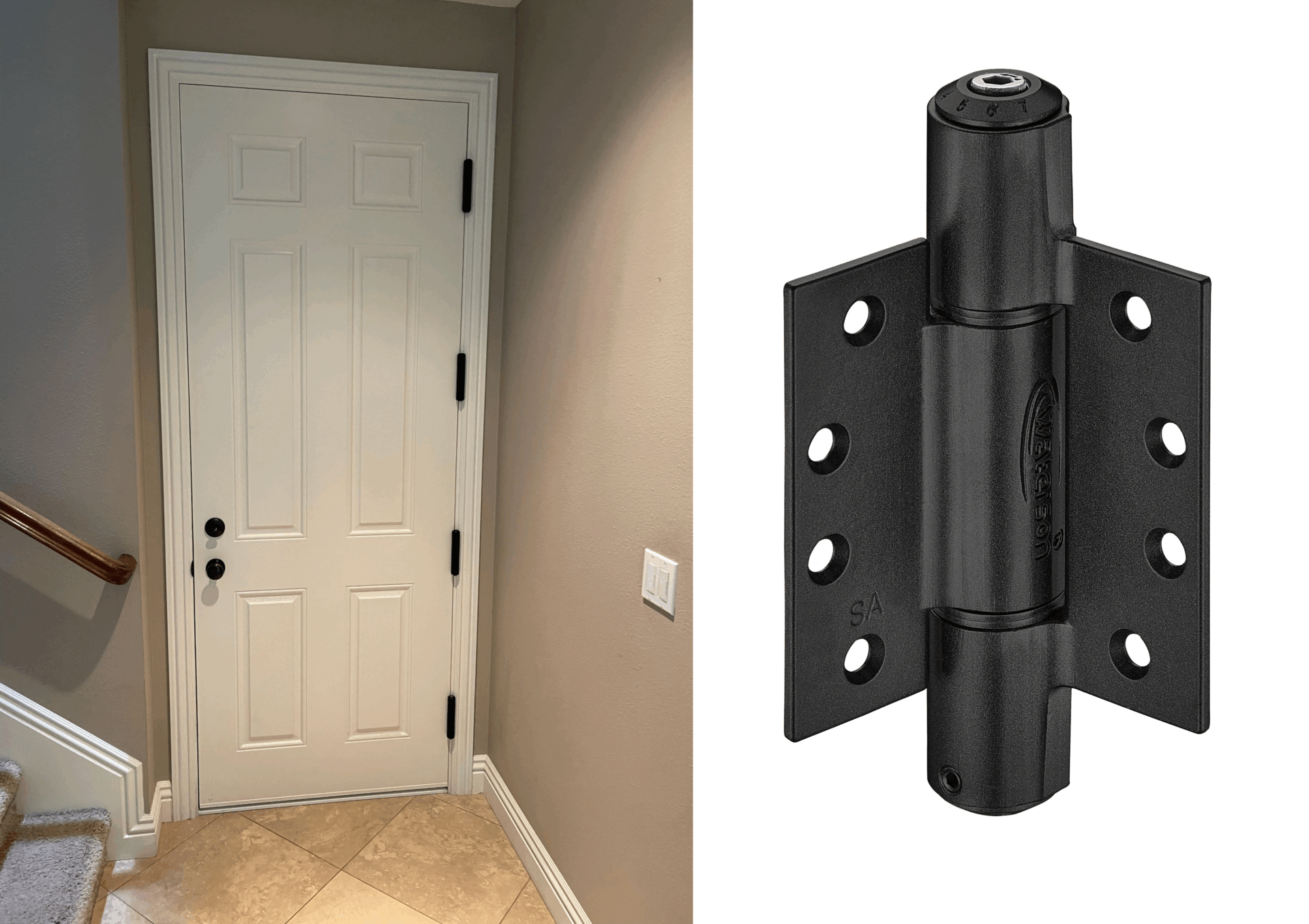
Quick Answer Yes, in most U.S. jurisdictions. The 2021 IRC (R302.5.1) requires the door between an attached garage and the house to be self-latching and [...]

Quick Answer Spring hinges mount on the door edge like regular hinges, cost less, and stay invisible, but basic models can slam the door. Overhead [...]
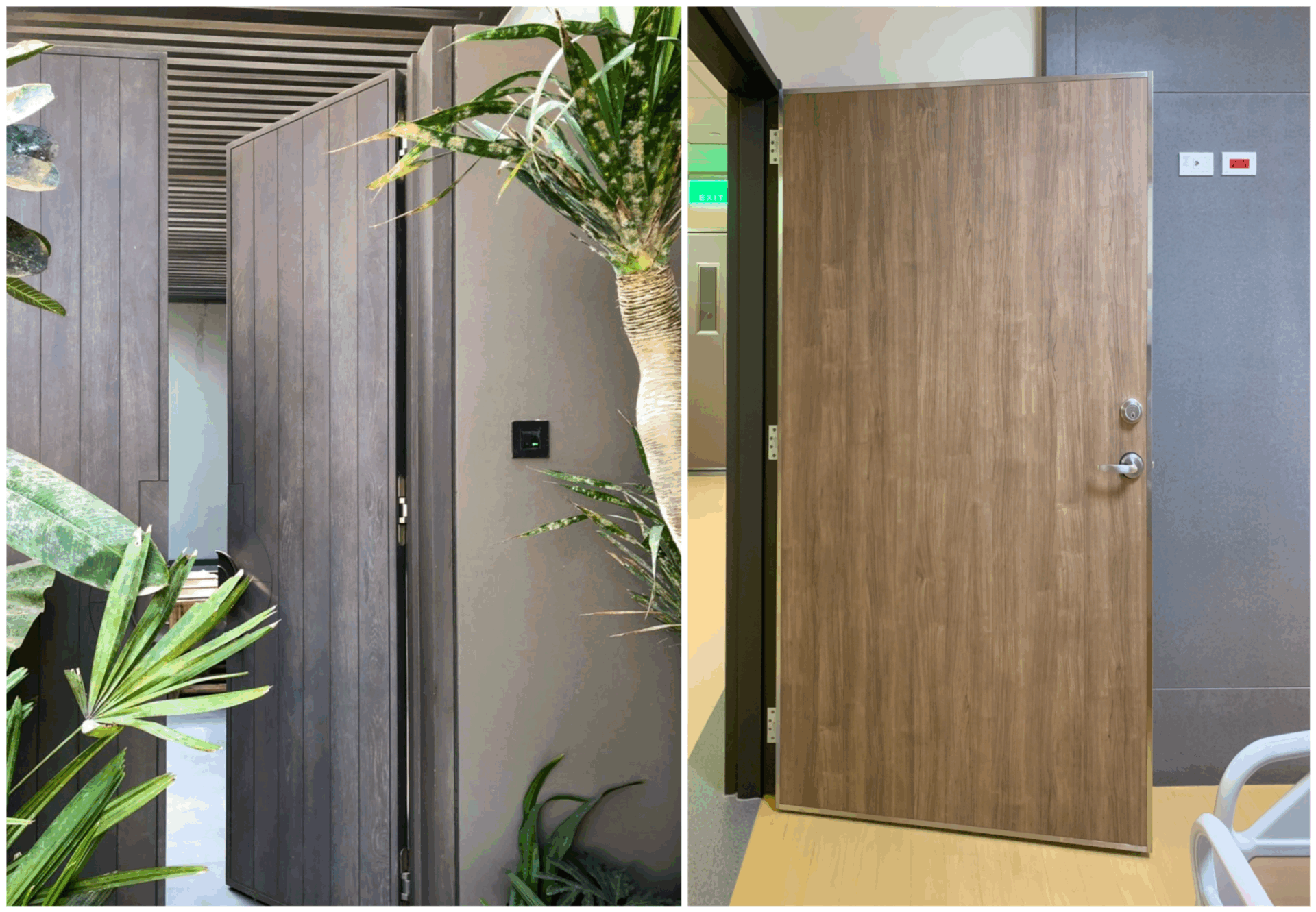
A small detail like a hinge could affect the overall perfection of your design! A wrong choice could cost you both quality and reputation. Careful [...]

Since the AIA in 2018, there has been an increased interest in Waterson hinges for many different projects. We have been inundated with questions by [...]
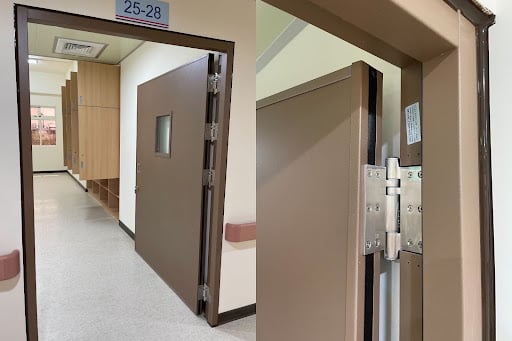
Quick Answer NFPA 80 is the standard that defines minimum requirements for fire door installation, inspection, and maintenance in buildings. It requires fire doors to [...]
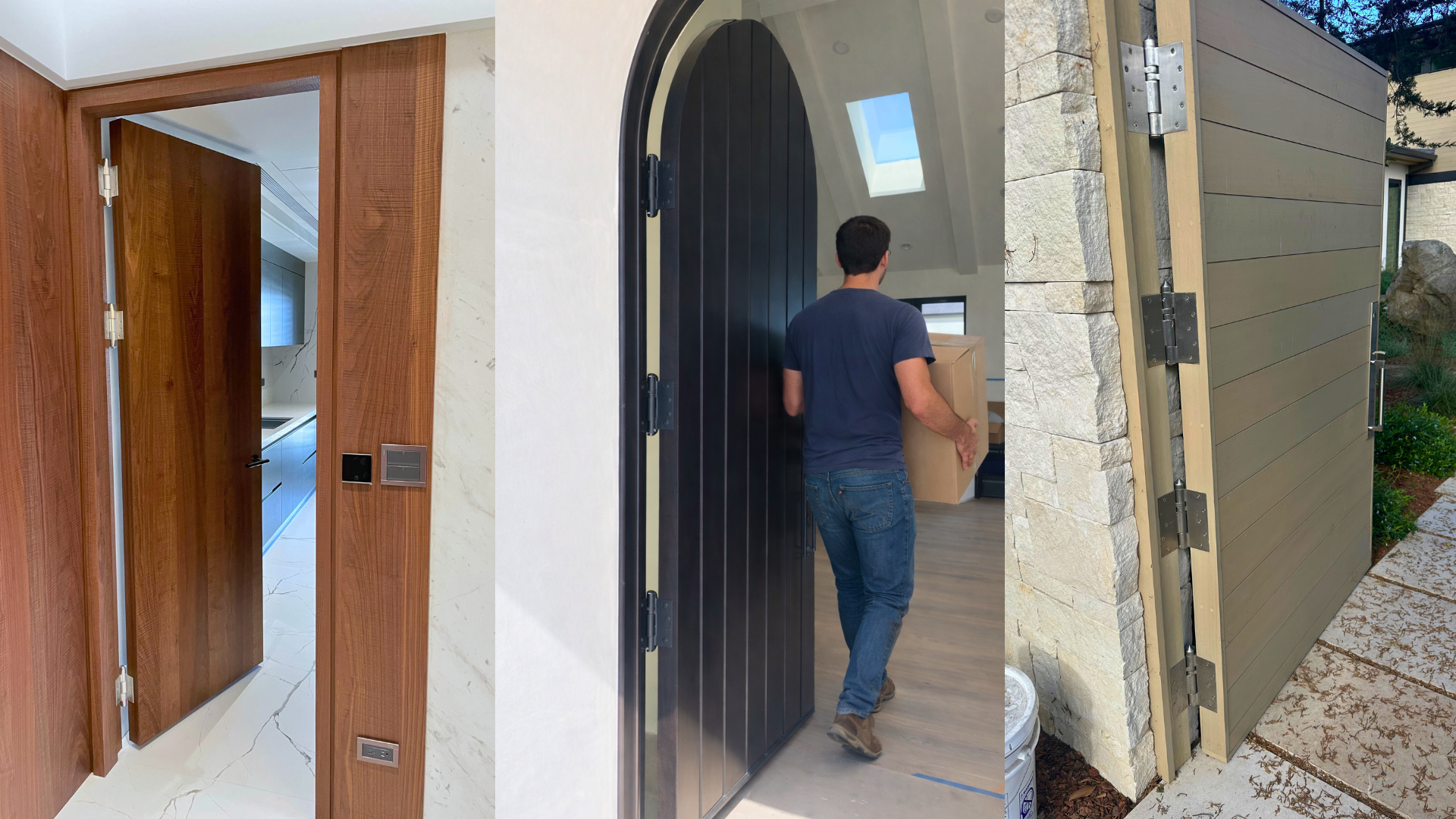
Quick Answer No. Waterson closer hinges are spring-powered self-closing hinges, not friction hinges, so tightening the speed control will not make a door stay at [...]
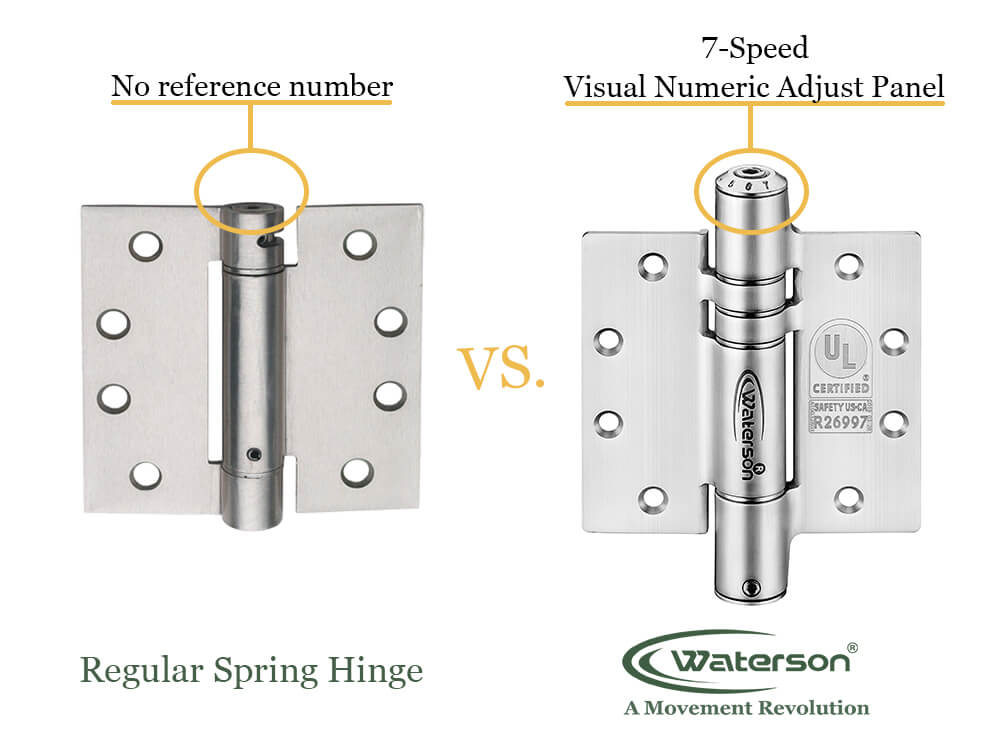
Quick Answer Yes, many spring hinge problems like slamming and vibration can be fixed by lubricating, adjusting tension, or re-aligning the door, but traditional spring [...]

Smart homes are convenient. They're also complex. A single household can now host dozens of connected devices — lights, smart locks, thermostats, cameras, speakers, and [...]