Glass Door Hinges: Floor Spring vs Spring Hinge Compared
Quick Answer Floor hinges (also called floor springs) are hydraulic closers set into the floor slab for center-hung or double-acting glass doors with fully concealed [...]

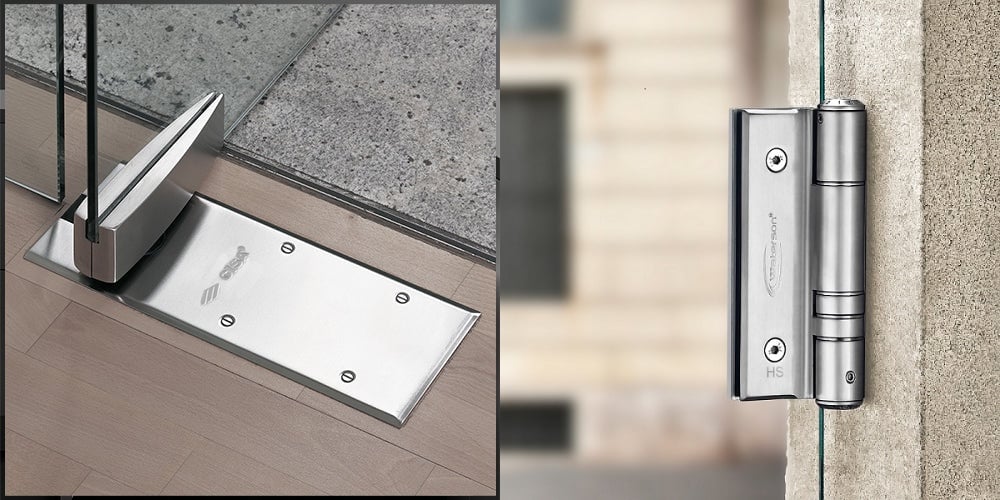
Quick Answer Floor hinges (also called floor springs) are hydraulic closers set into the floor slab for center-hung or double-acting glass doors with fully concealed [...]
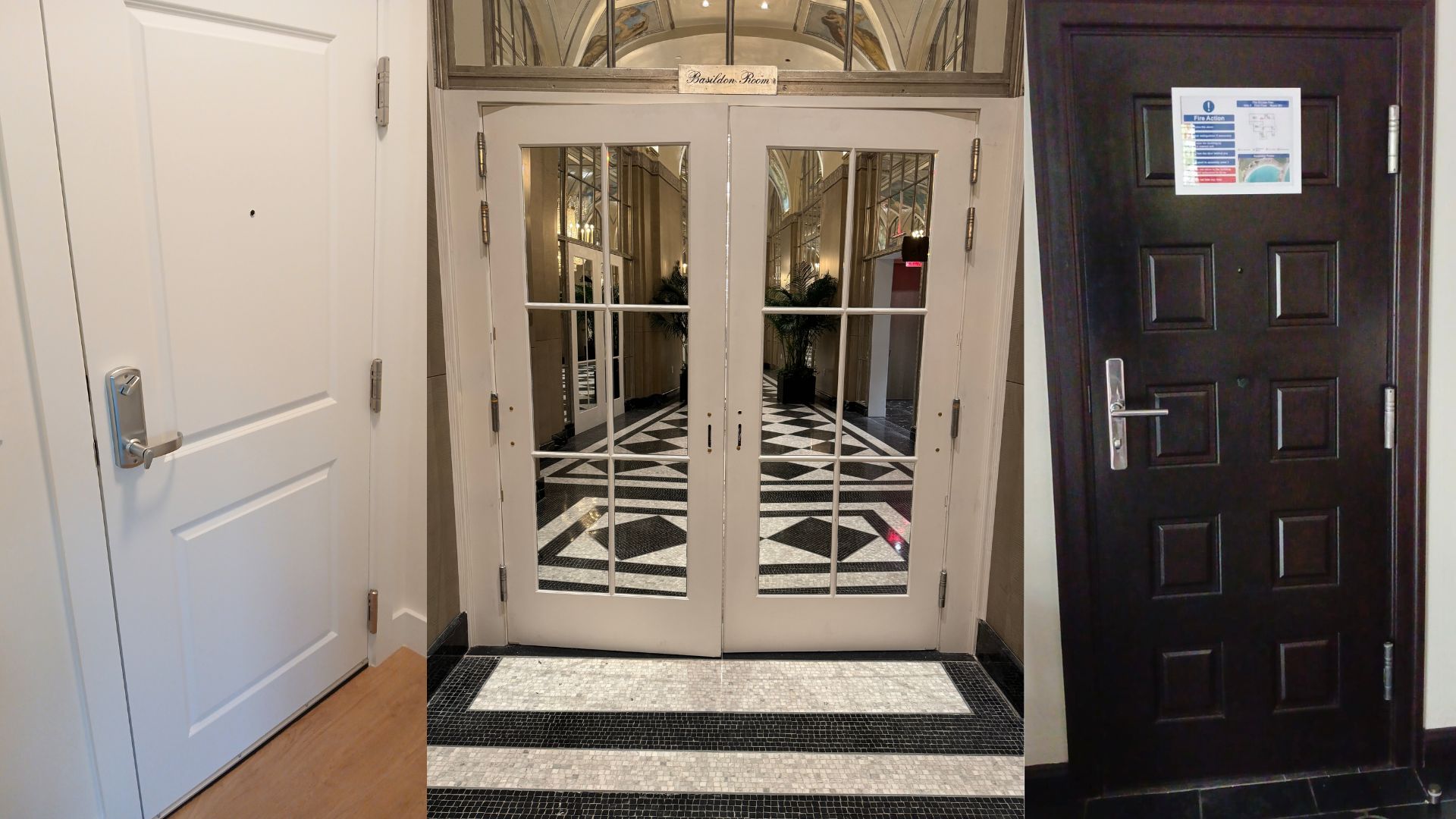
Most commercial self-closing hinges still adopt either spring or hydraulic damper for [...]
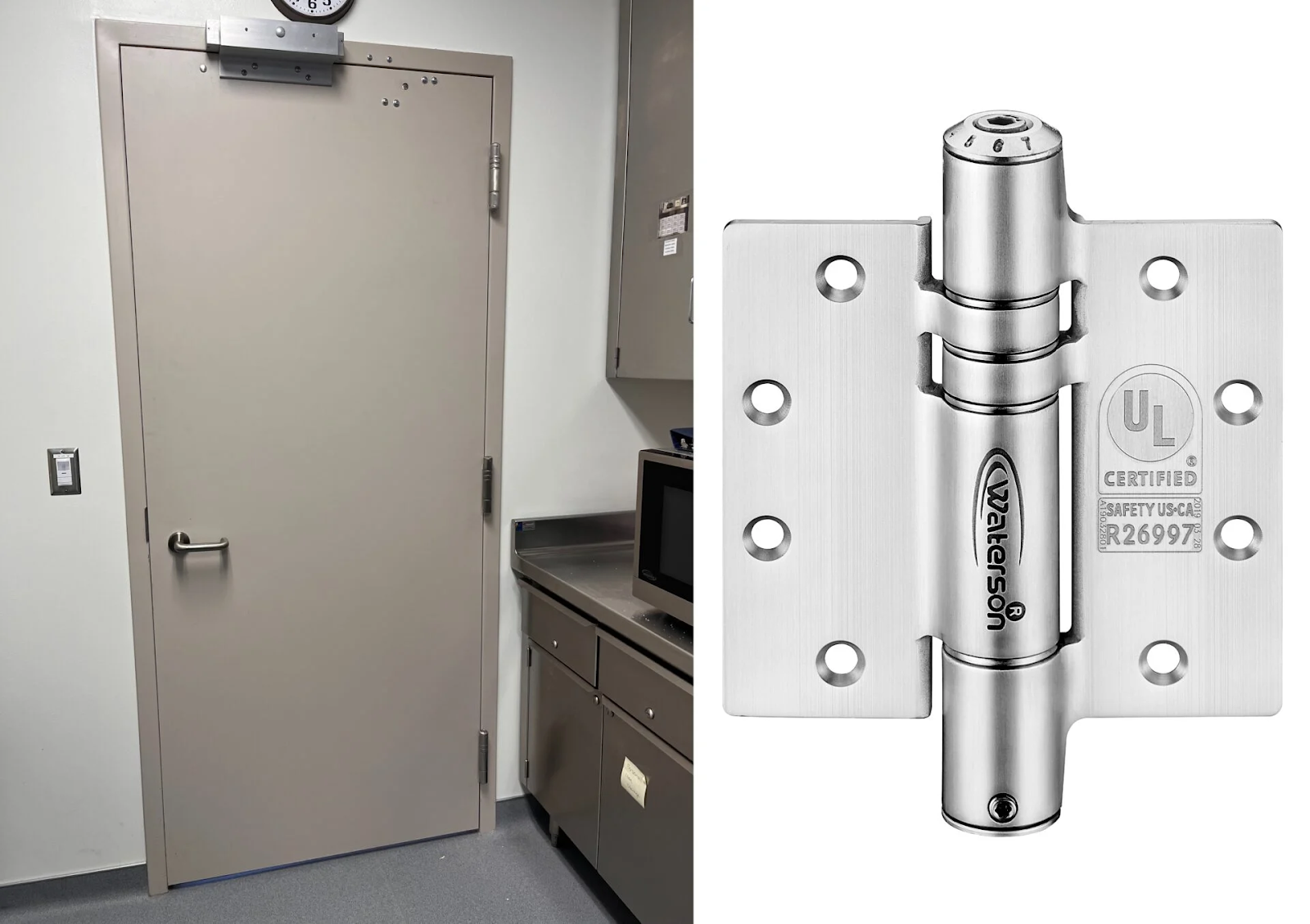
Most commercial self-closing hinges still adopt either spring or hydraulic damper for [...]
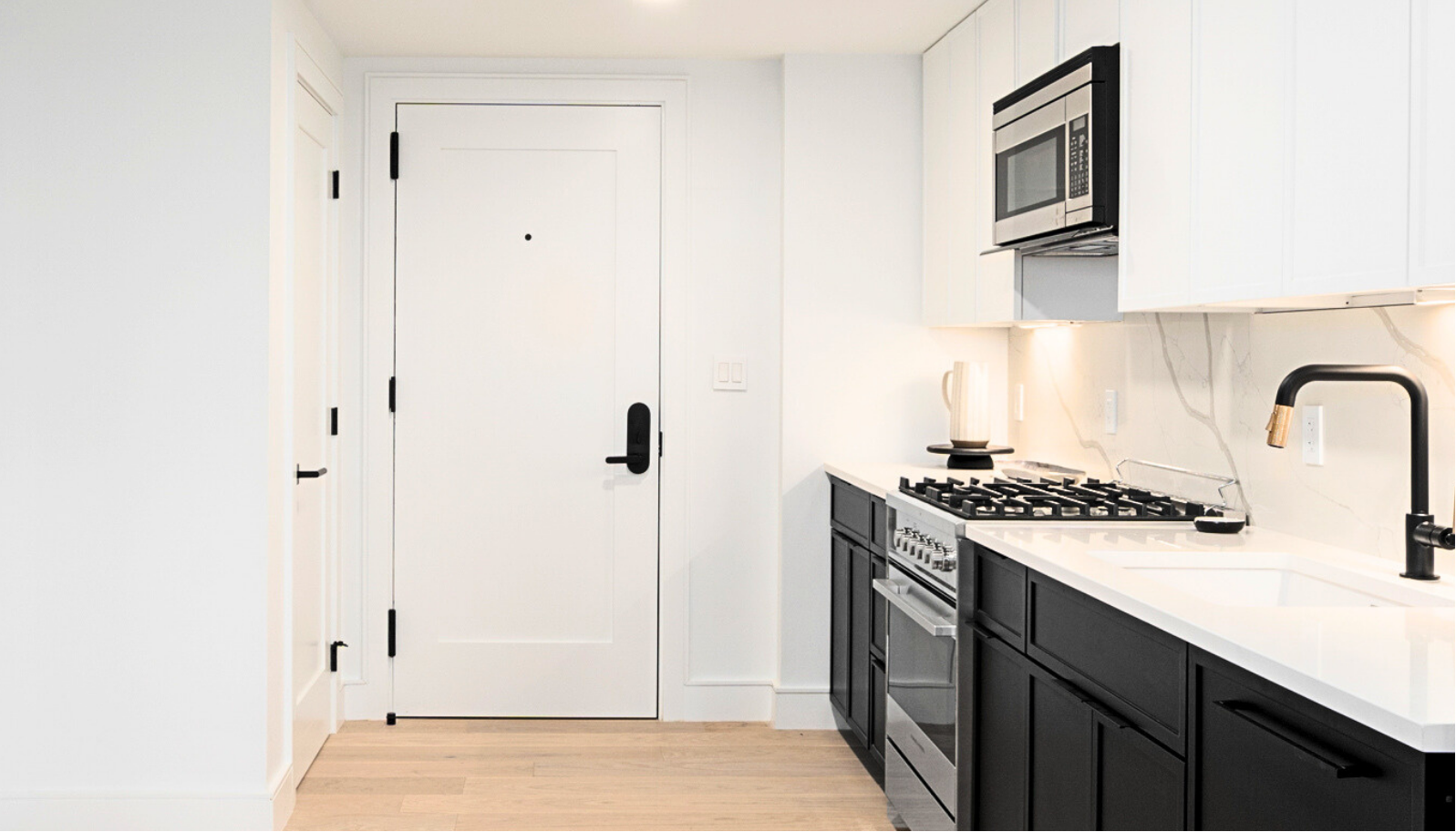
Most commercial self-closing hinges still adopt either spring or hydraulic damper for [...]

In July 2022, the New York Times reported that a tragic fire in a Bronx apartment spread rapidly due to an open door. According to [...]
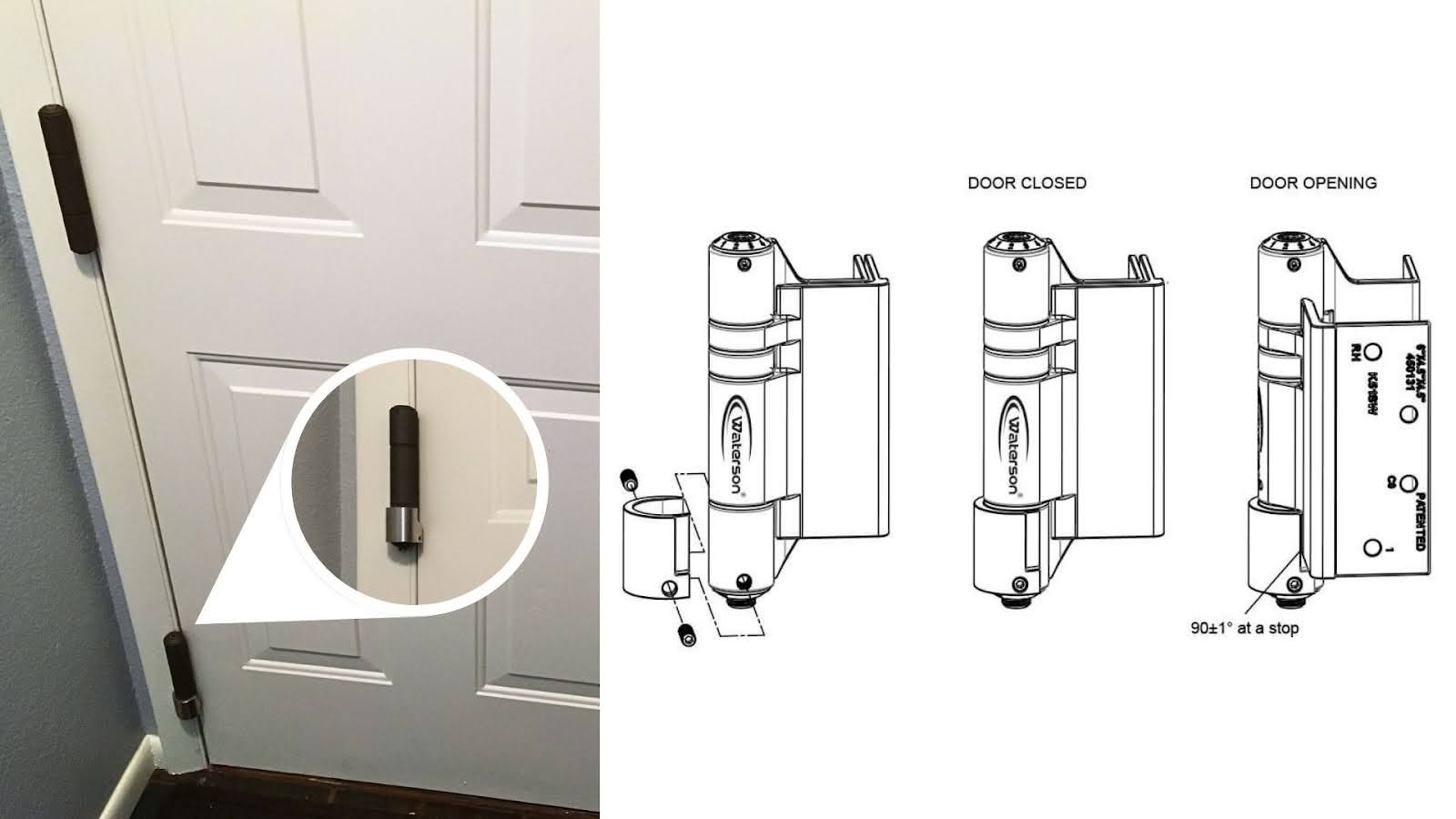
"We just had a toddler catch her fingers on a bedroom door in one of our rental units. The parents want to know what we [...]
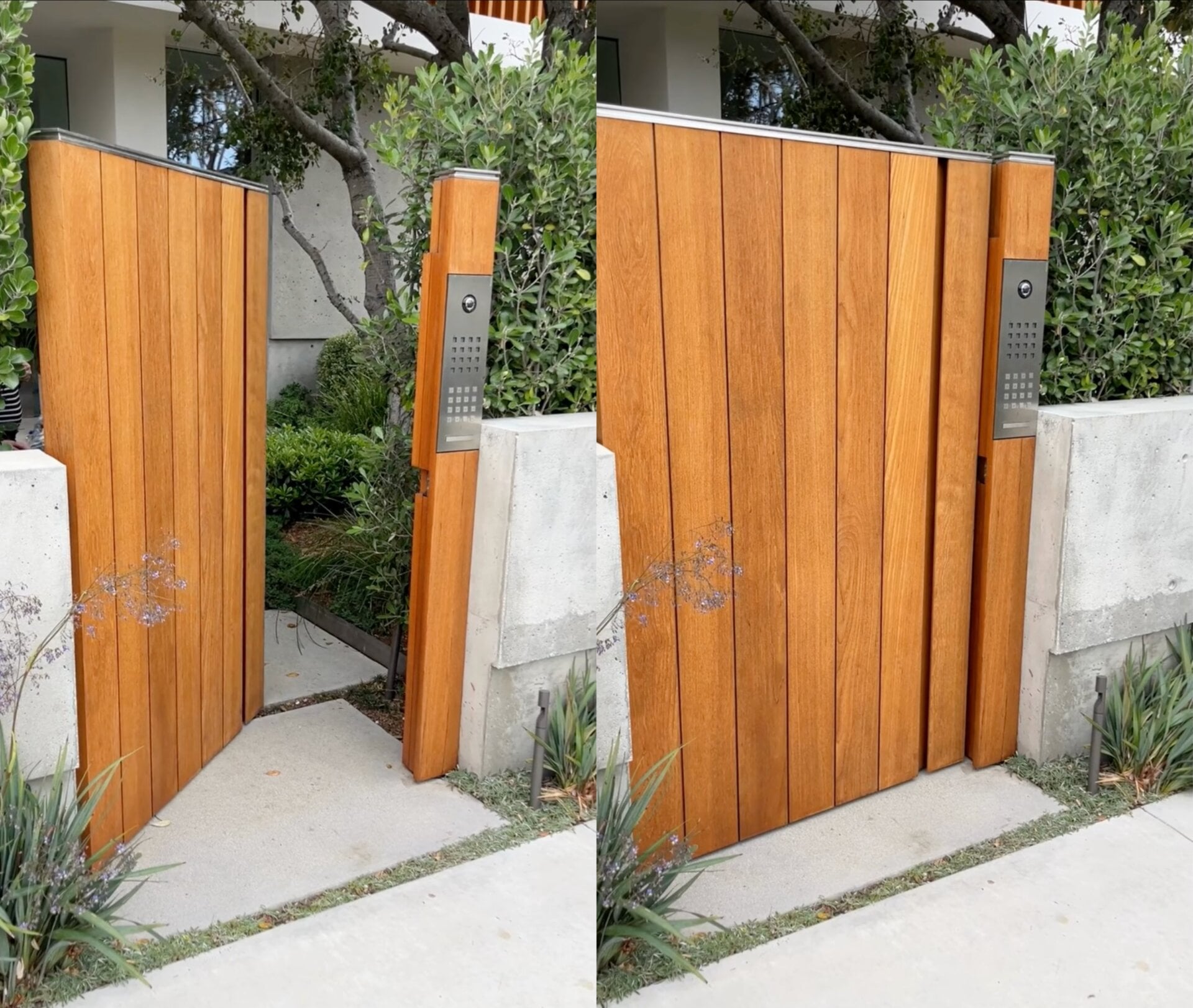
Most commercial self-closing hinges still adopt either spring or hydraulic damper for [...]
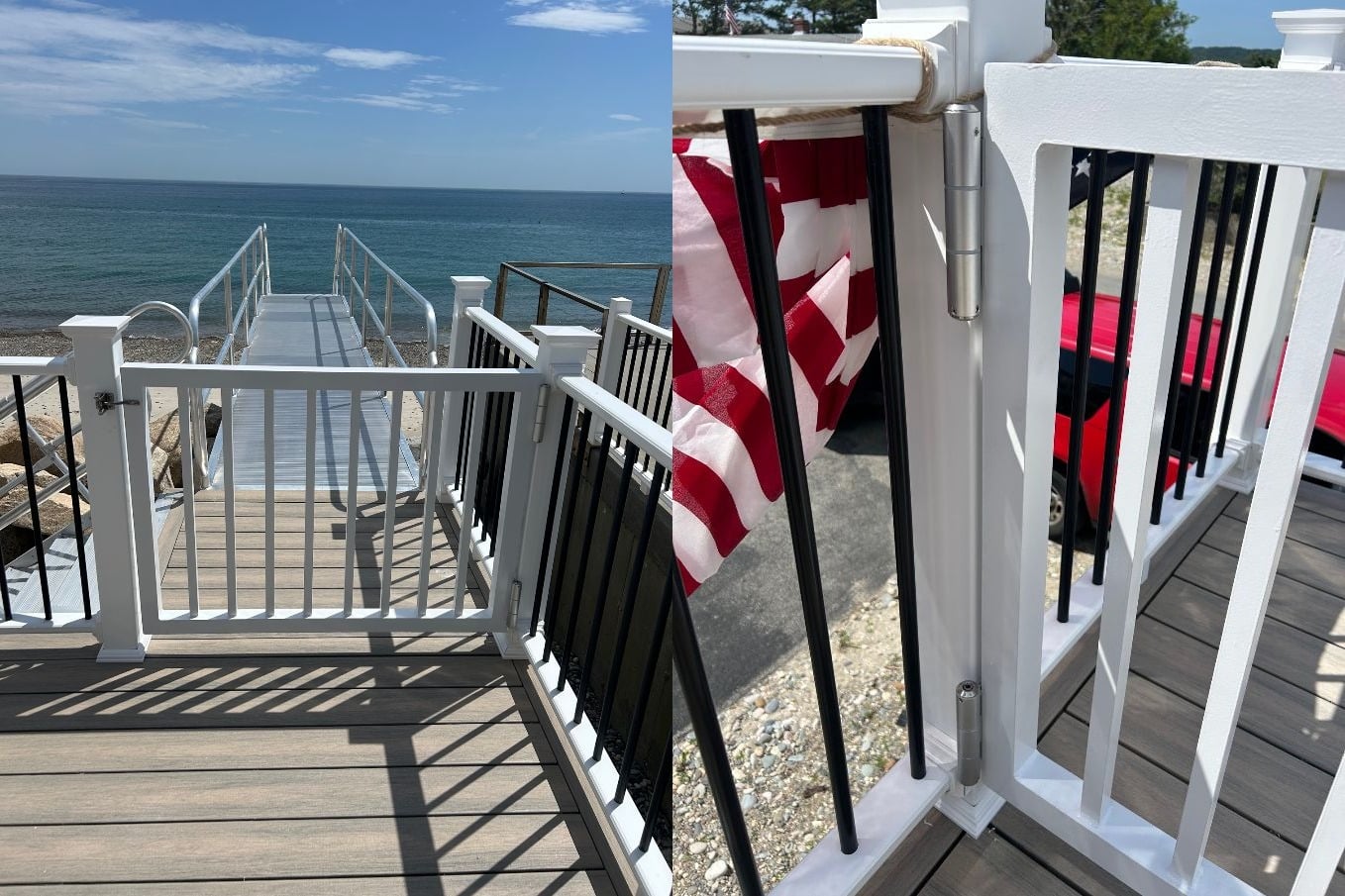
Most commercial self-closing hinges still adopt either spring or hydraulic damper for [...]
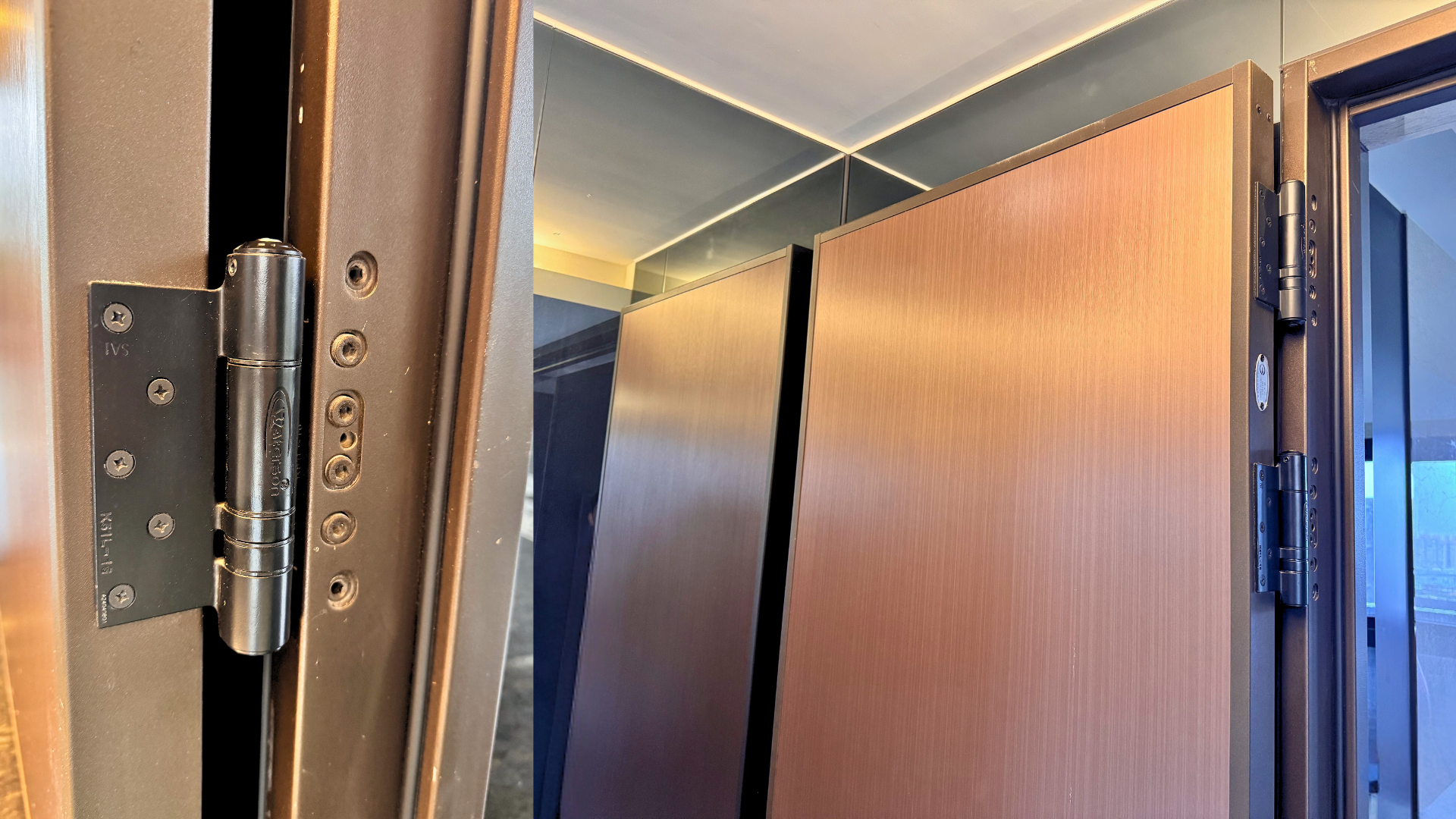
Most commercial self-closing hinges still adopt either spring or hydraulic damper for [...]
Quick Answer A hold open hinge keeps a door open at a set angle (typically 90°) until manually closed. A door stop on a hinge [...]