Types of Spring Hinges: Uses, Features, and Considerations
Most commercial self-closing hinges still adopt either spring or hydraulic damper for [...]

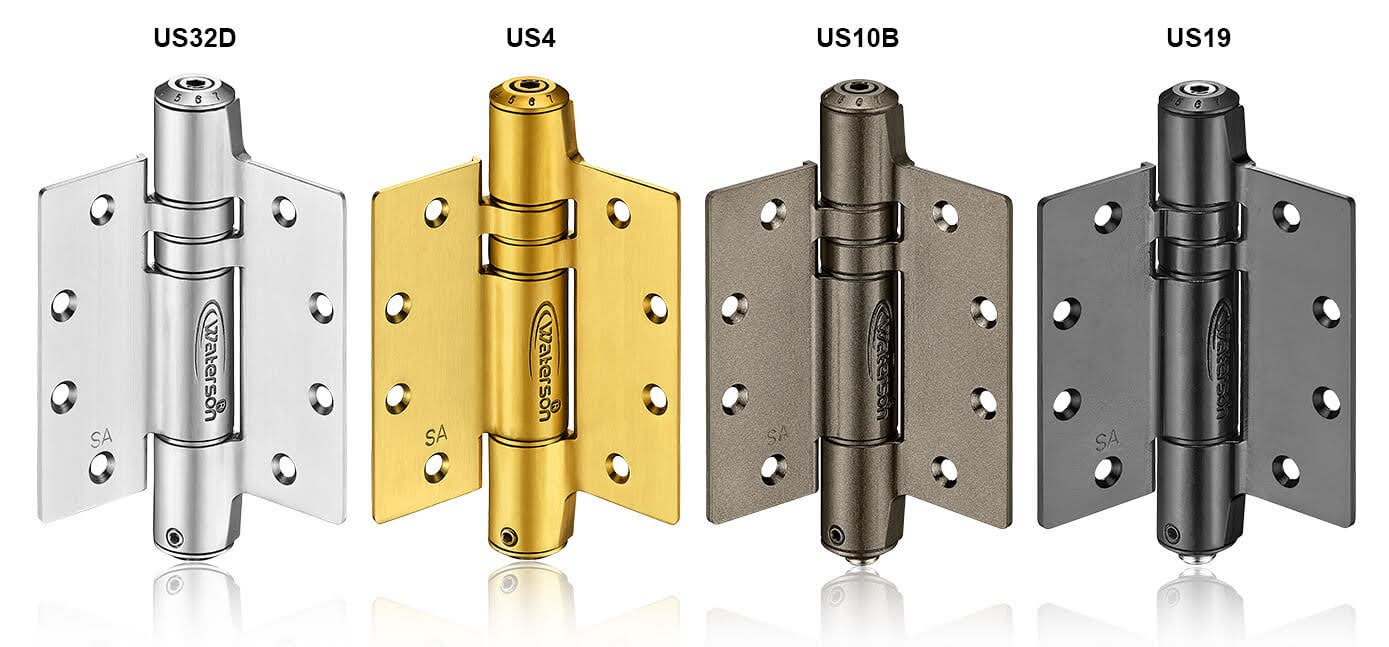
Most commercial self-closing hinges still adopt either spring or hydraulic damper for [...]
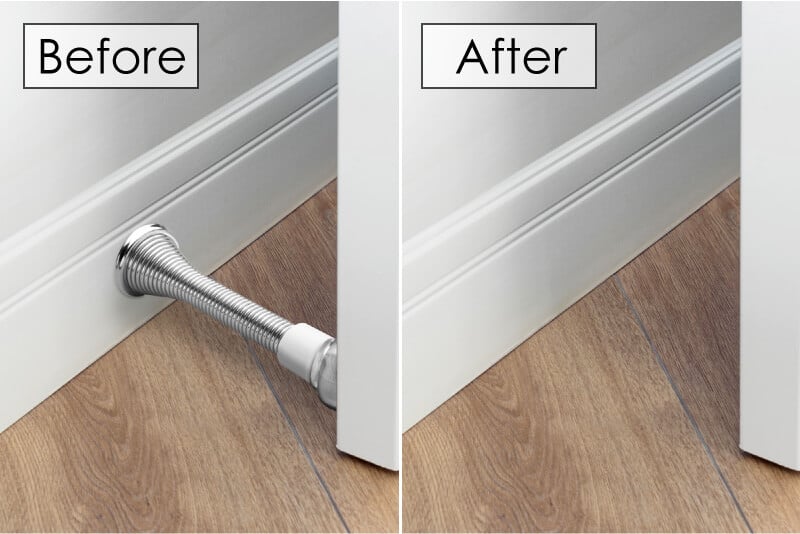
Quick Answer The best door stopper for commercial openings is a collar that fits directly over the hinge barrel, stopping the door at 90 degrees [...]
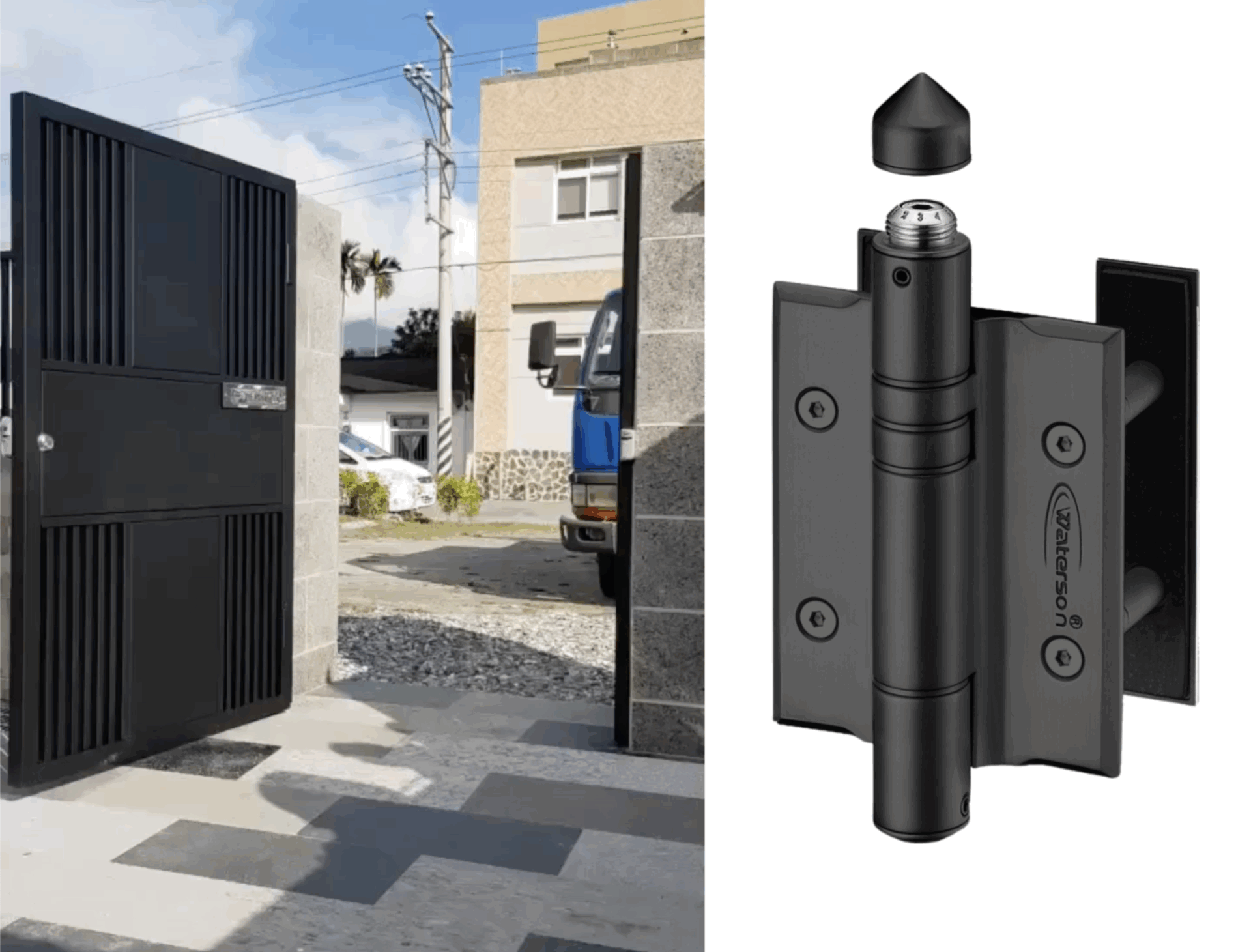
Quick Answer 0 to 120 degrees is the optimal range for Waterson self closing hinges because that's where spring tension, alignment, and closing force stay [...]
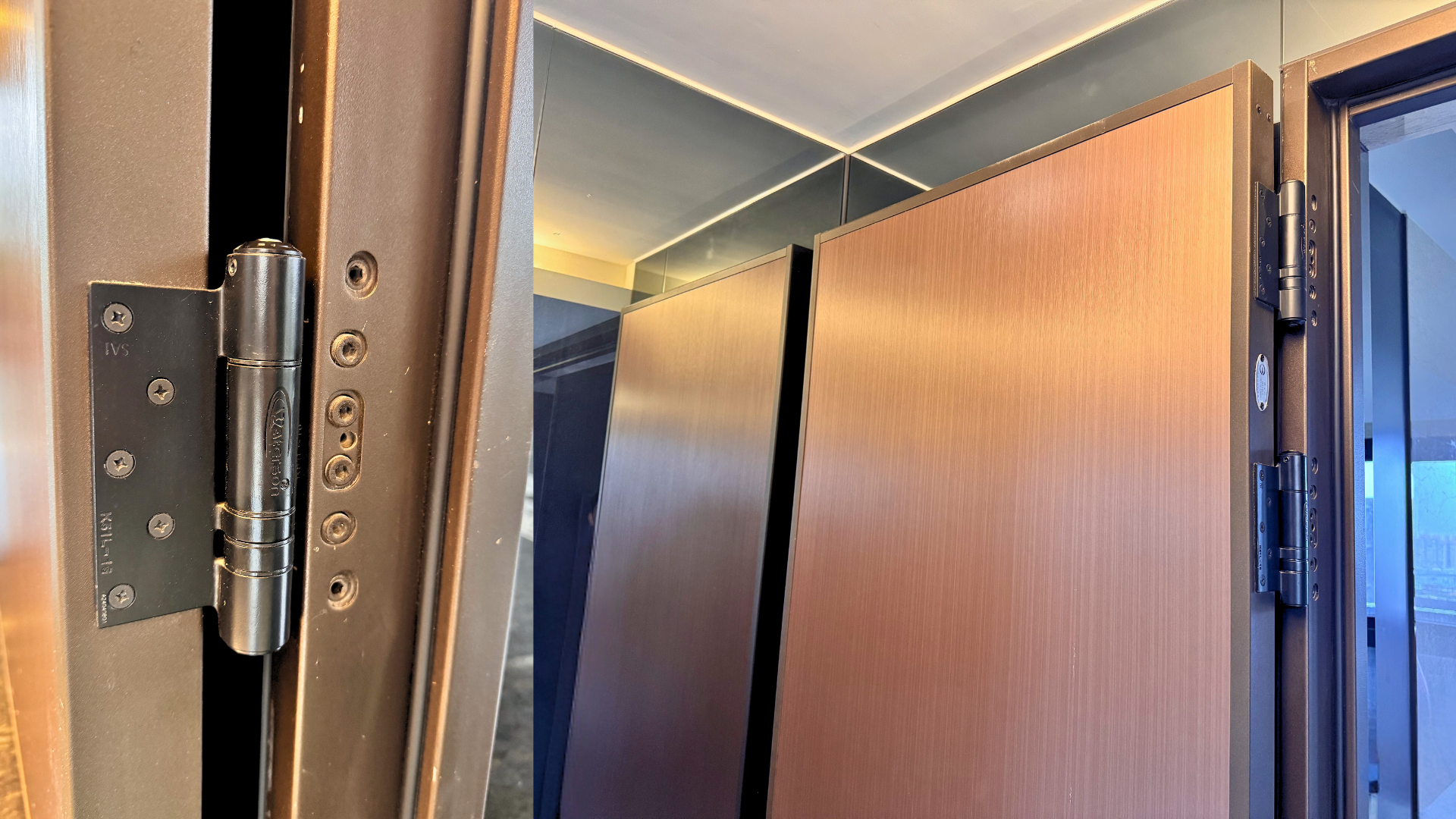
Most commercial self-closing hinges still adopt either spring or hydraulic damper for [...]

Quick Answer Interior and exterior door hinges are not the same, and the right choice depends on exposure, not swing direction. A solid wood front [...]

Quick Answer ADA fitting room requirements call for accessible bench height, adequate clear floor space, and doors that operate with under 5 lbs of force [...]

Quick Answer An ADA compliant door closer must provide at least 32 inches of clear opening width, require under 5 lbs of force to open, [...]

Quick Answer Removable pin hinges commonly suffer from looseness, squeaking, and premature wear caused by inadequate material strength, poor weight distribution, or hinges not rated [...]
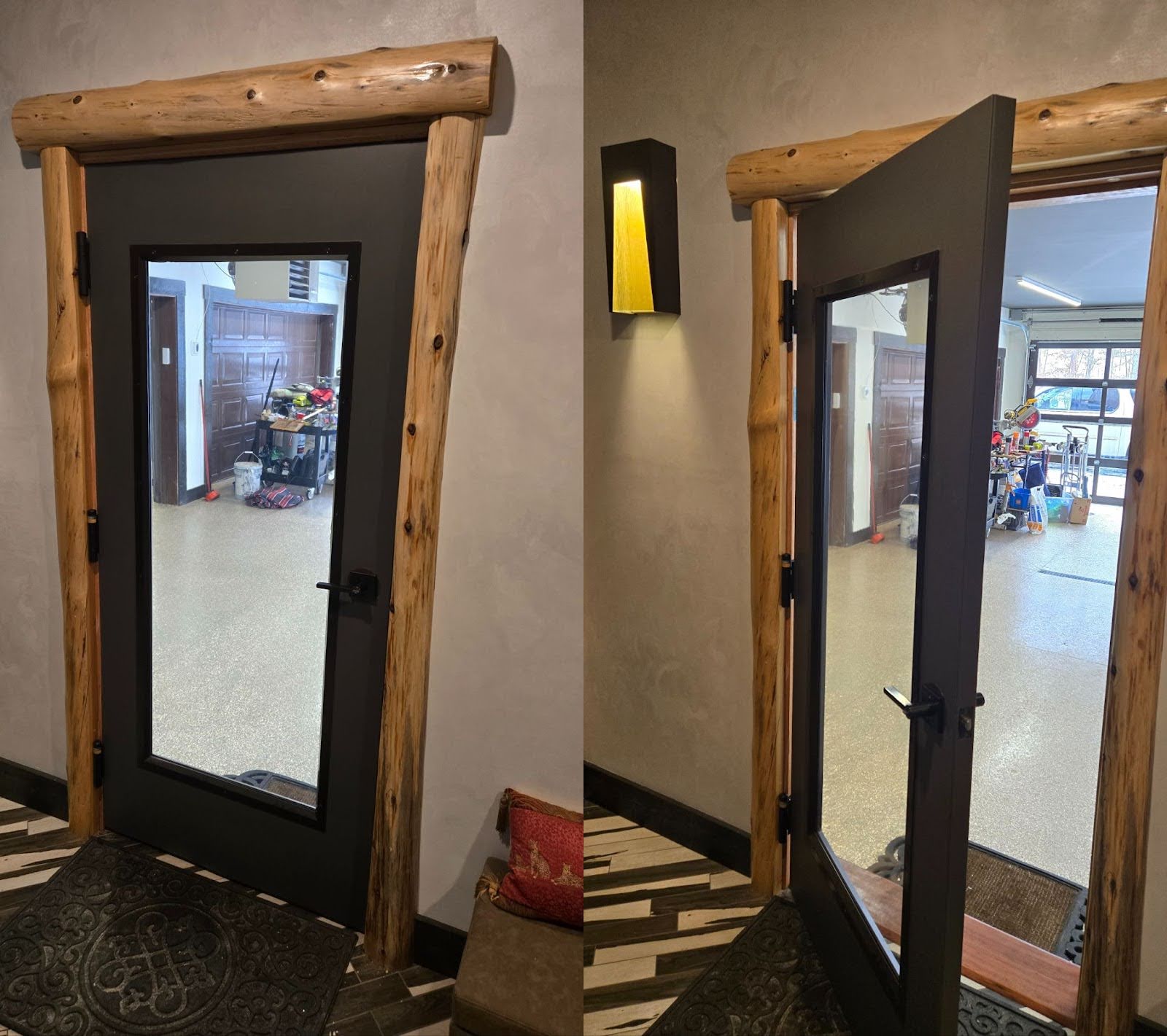
Quick Answer Garage doors slam in the wind because pressure differences from open patio doors or windows apply force across the full door surface, which [...]

Quick Answer Storm door spring hinges control how smoothly and quietly the door closes, which matters since storm doors face frequent wind and weather exposure. [...]