Self Closing Door Hinges for Fire Doors: Achieve Building Safety
Quick Answer Fire doors are required to be self-closing under NFPA 80. They must close and latch reliably from fully open, with most jurisdictions expecting [...]


Quick Answer Fire doors are required to be self-closing under NFPA 80. They must close and latch reliably from fully open, with most jurisdictions expecting [...]
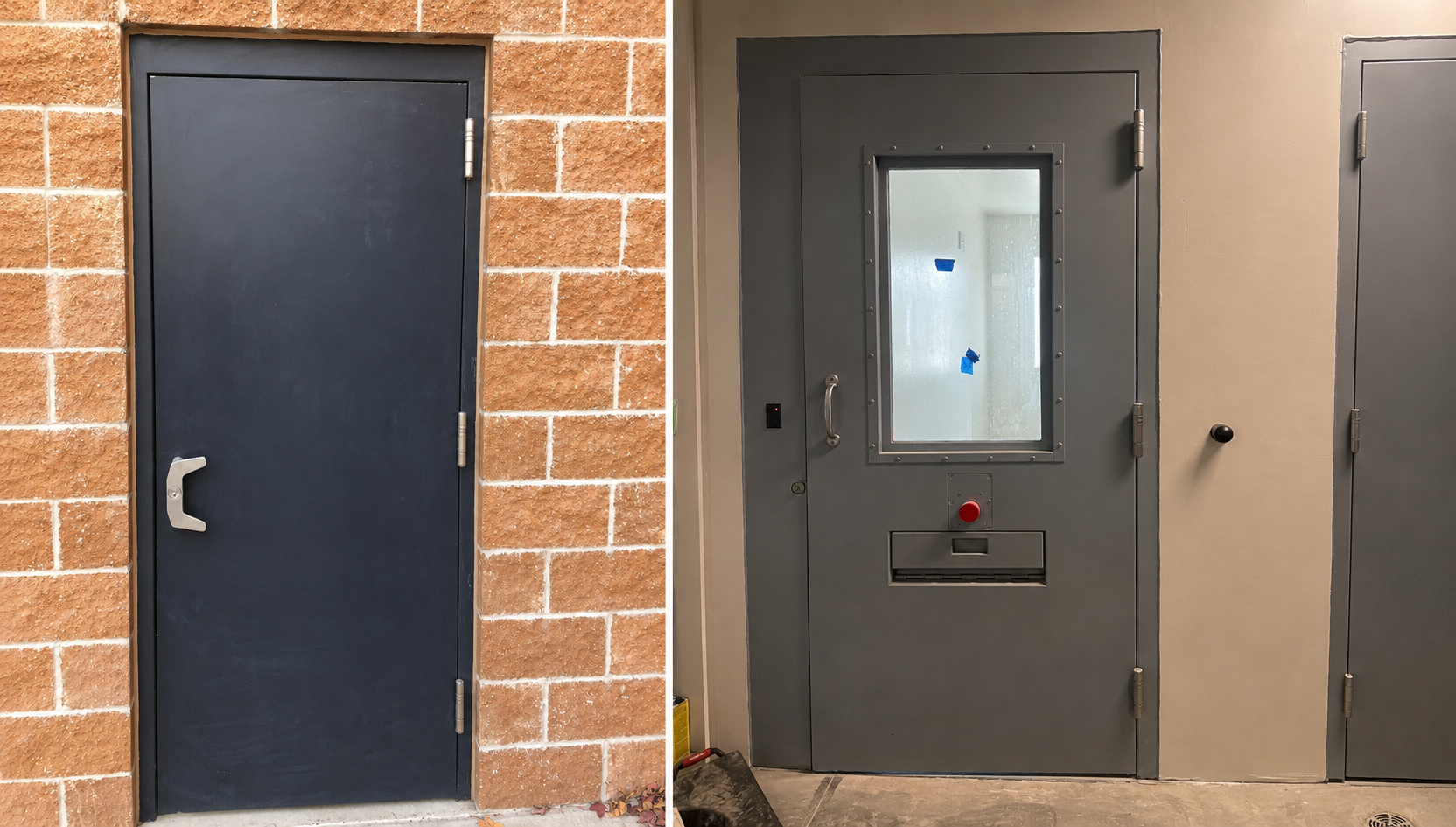
Most commercial self-closing hinges still adopt either spring or hydraulic damper for [...]

A fire door in a hospital corridor should answer to five authorities, not just one. The fire marshal wants positive latching every time. The ADA [...]

Quick Answer A door that won't close flush is usually caused by loose hinge screws, a misaligned strike plate, swollen wood, or in high-rise buildings, [...]
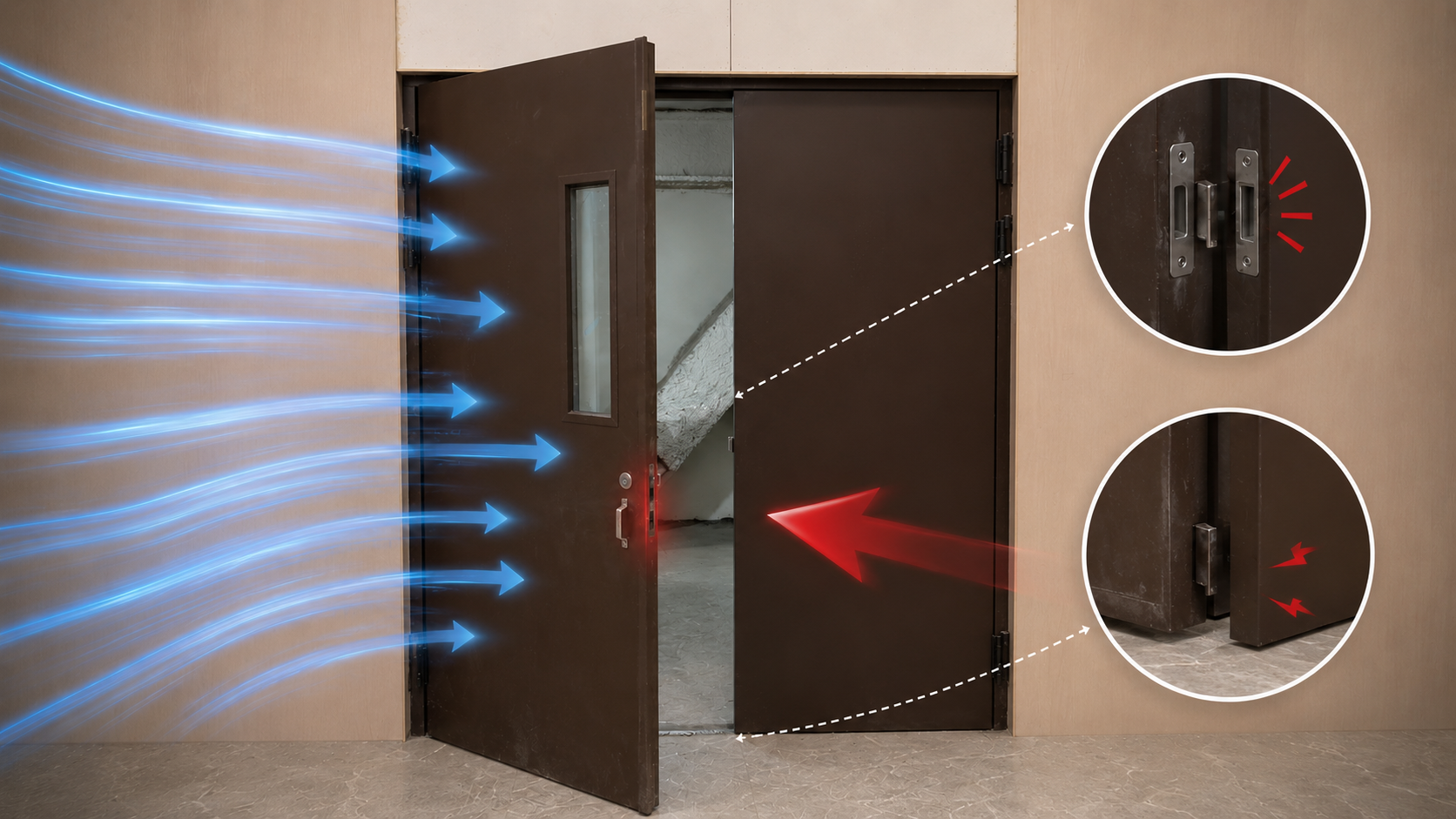
"The fire safety door of the hotel is easy to be blown open in windy weather, but it cannot be locked. How to solve it?" [...]
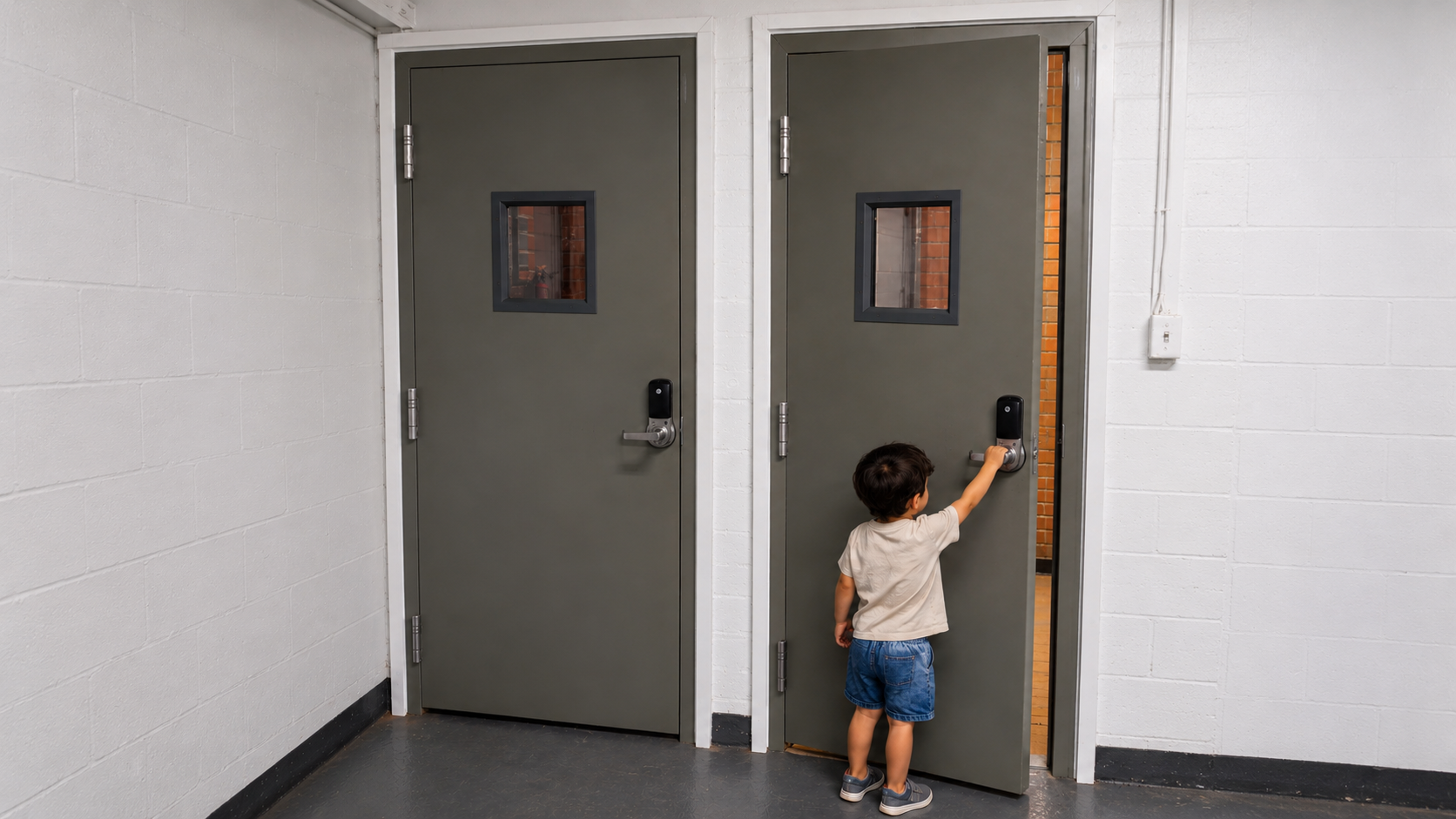
You have a fire-rated door in a hospital corridor. The fire marshal says it must positively latch every single time. The ADA consultant says it [...]
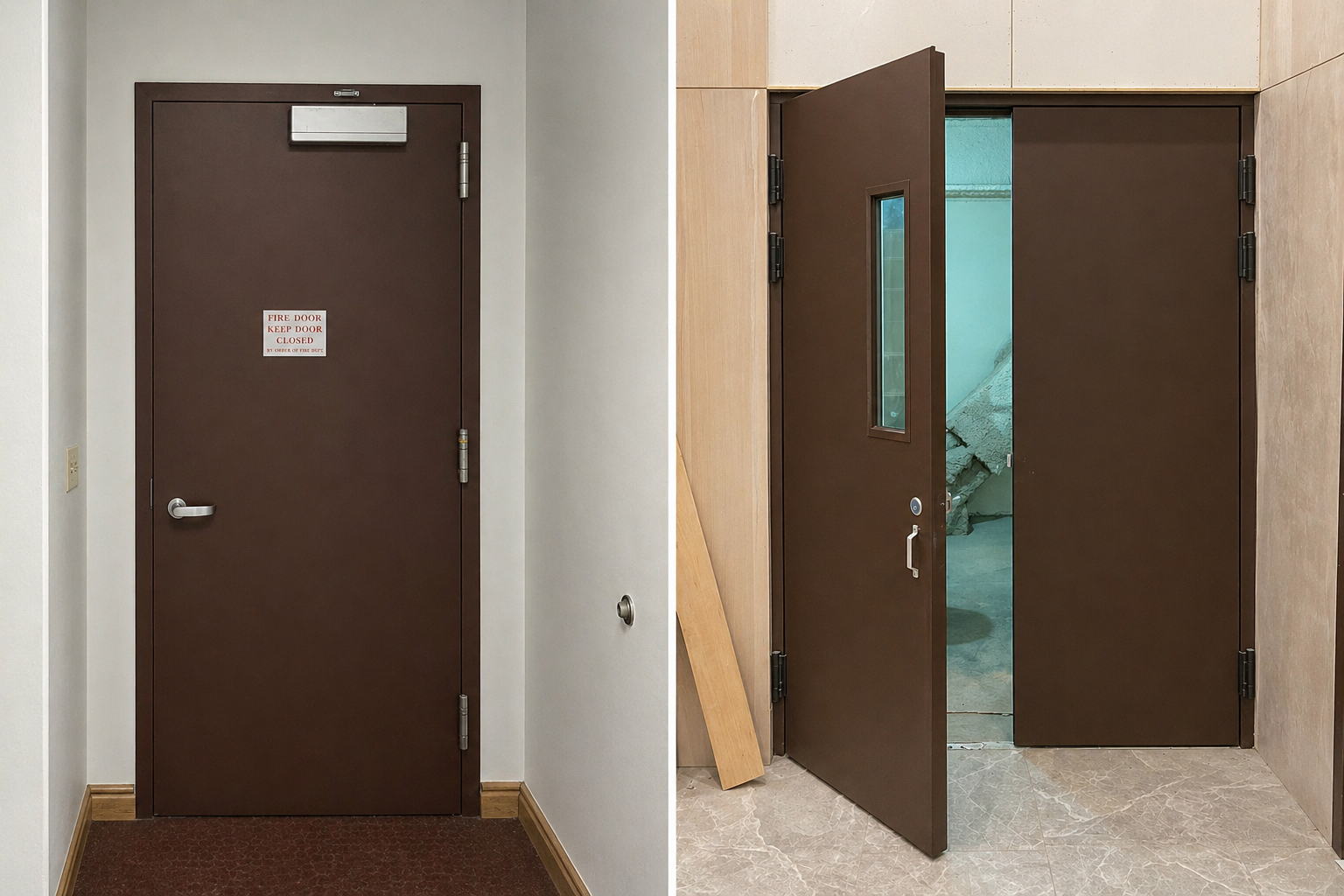
Fire door spring hinges are easy to overlook until inspection day arrives and a deficiency report lands on your desk. NFPA 80 §5.2.1 requires every [...]
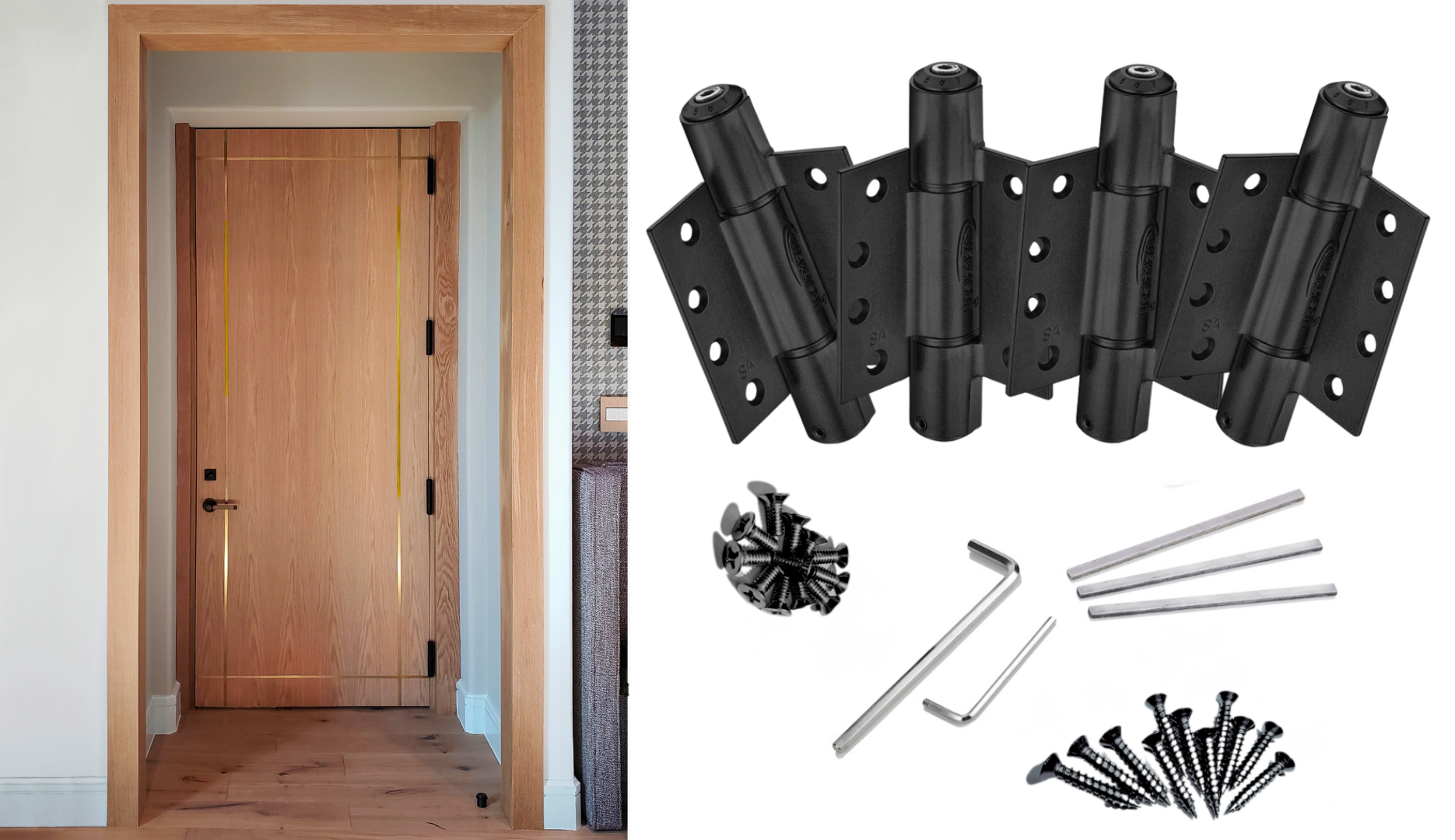
The widely referenced ANSI/BHMA A156.17 standard for self-closing hinges and pivots, for example, specifies testing with three hinges. That works well for typical commercial doors. [...]

In fire-rated door assemblies, even a minor misalignment can mean a failed inspection or compromised safety. That’s why metal door hinge shims matter. Unlike plastic [...]