Replacing Door Hinges: 1/4 vs 5/8 Radius vs Square Corners
Quick Answer Most 4 inch residential door hinges have one of three corners: square, 1/4" radius, or 5/8" radius. A rounder hinge fits a mortise [...]

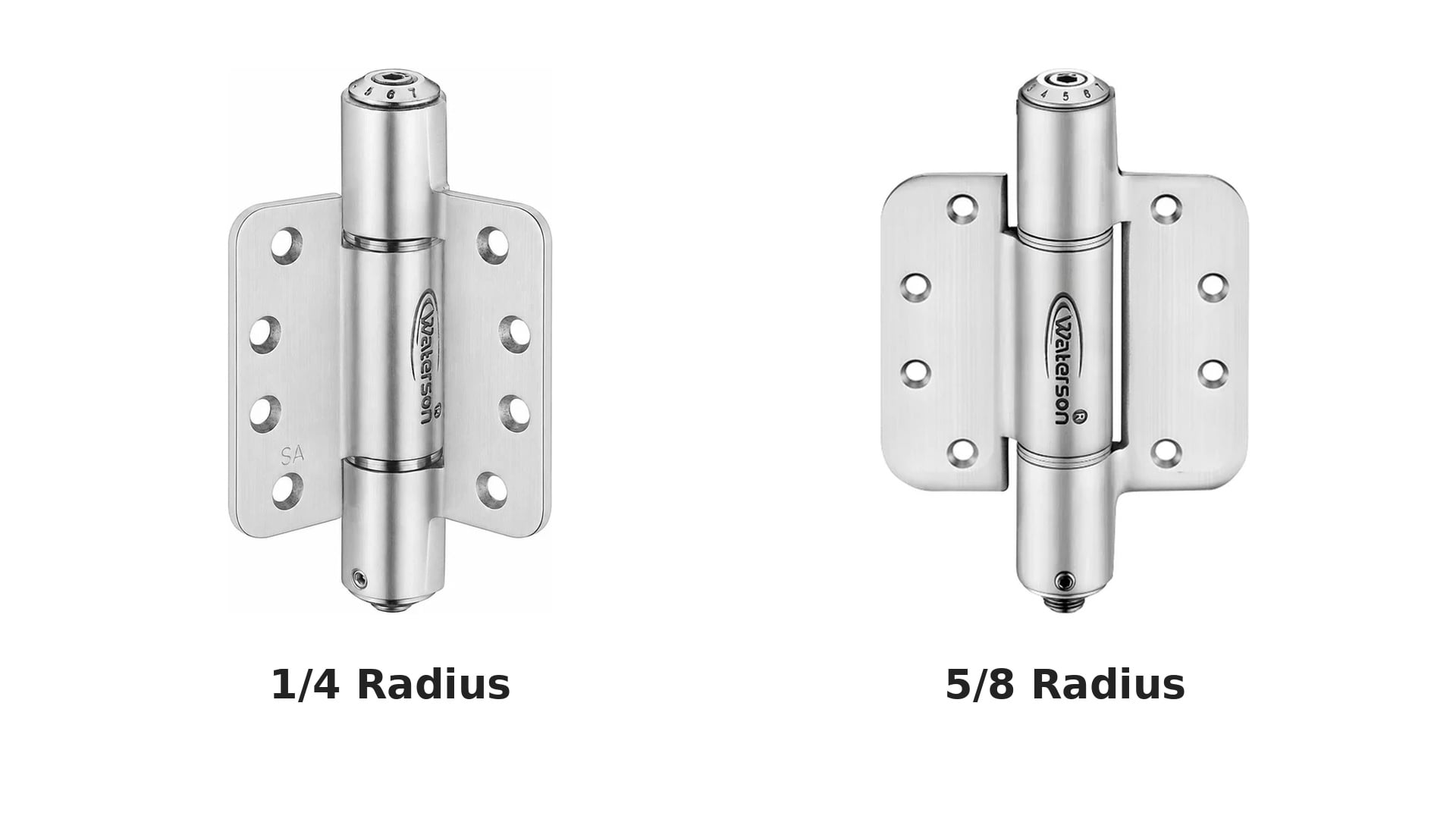
Quick Answer Most 4 inch residential door hinges have one of three corners: square, 1/4" radius, or 5/8" radius. A rounder hinge fits a mortise [...]
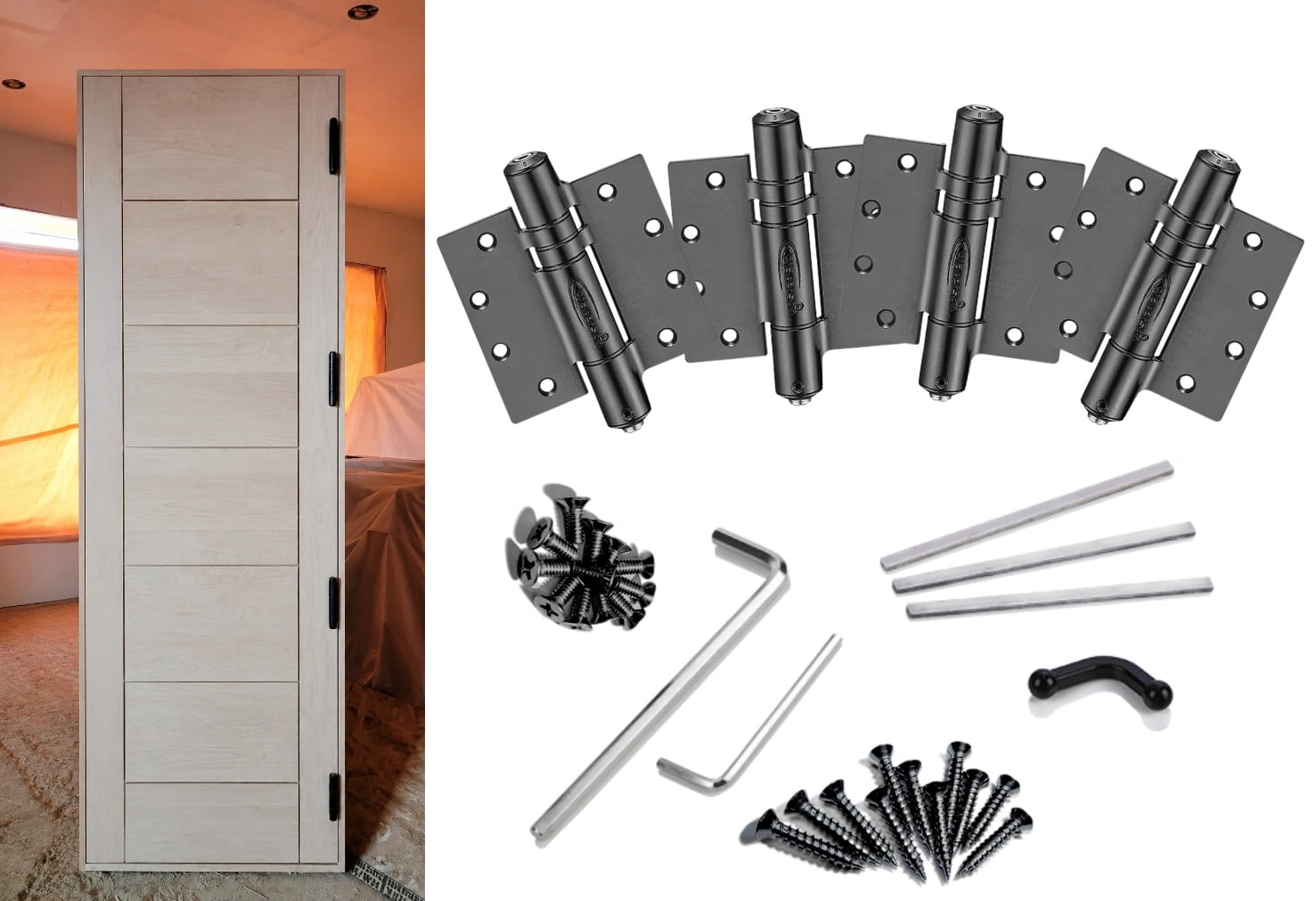
A prehung door is sold as a finished, ready-to-hang unit, yet its hinges are usually the one part left builder-grade. The moment a buyer asks [...]
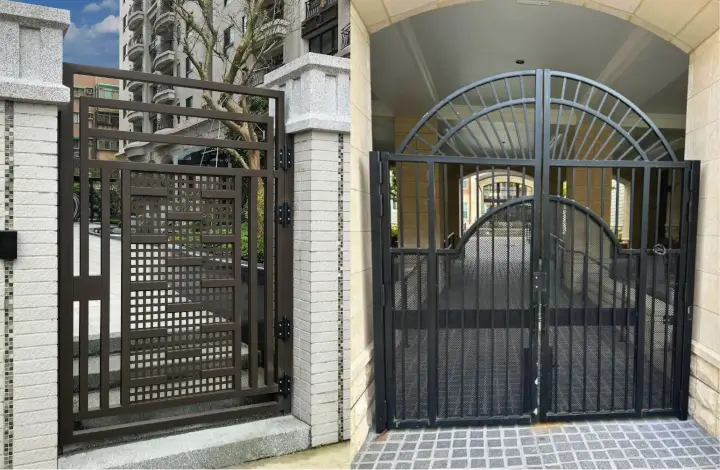
Quick Answer Choose a gate closer rated for the gate’s weight and size, with adjustable closing force and speed, stainless steel construction, and a mounting [...]
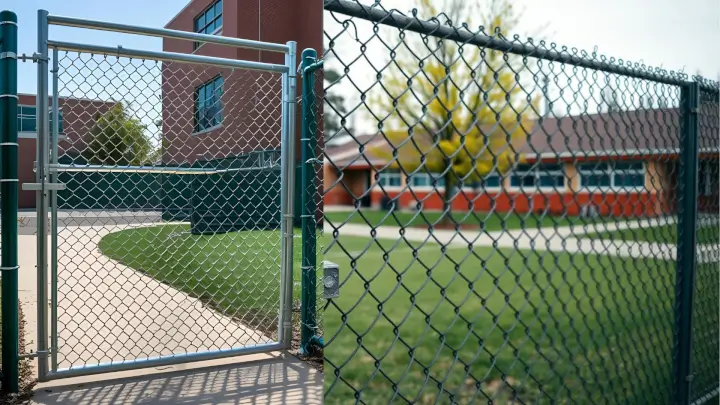
"Hi, we're closing out a commercial lot and the spec calls for self closing hinges on the entry gates. These are customized metal gates: a [...]
Every contractor has faced it: the prehung door looks clean on the pallet, but once it’s in the opening, the head jamb binds tight against [...]
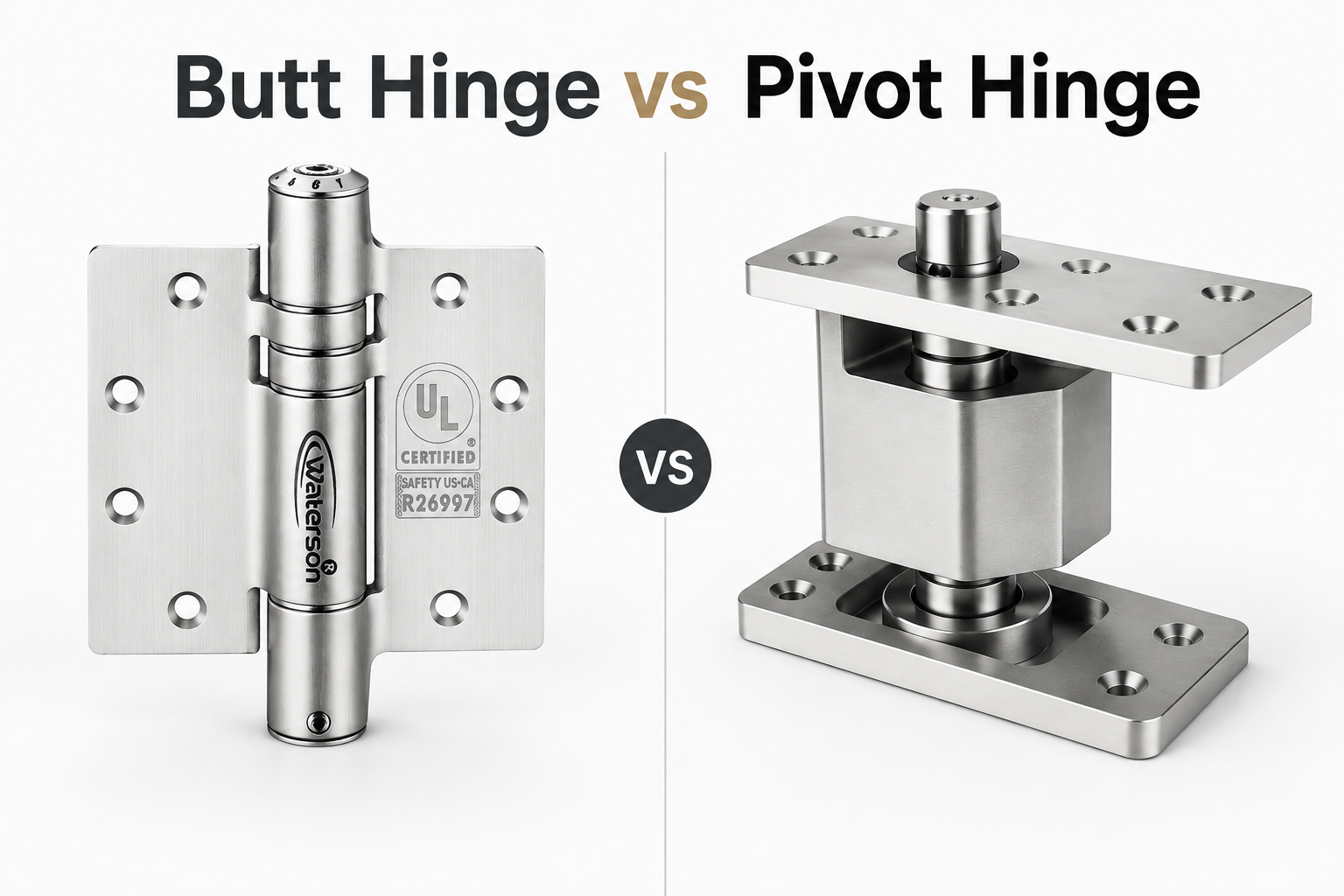
"We have a 4 by 8 solid core entry on a hospital corridor that keeps sagging on standard hinges. My architect wants pivots, but I [...]
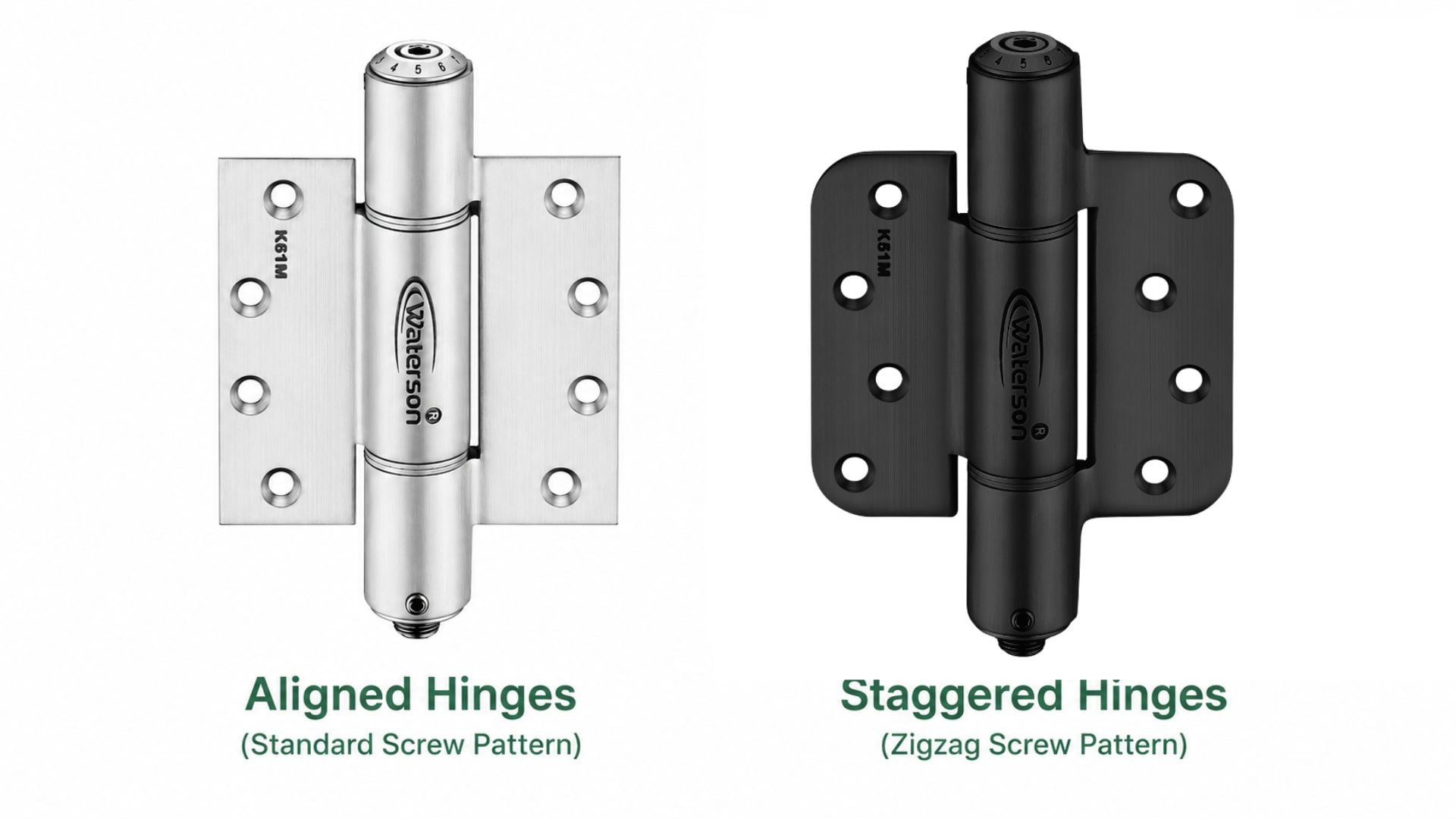
When sourcing replacement hinges, most buyers check size, radius, and finish, then assume the screw holes will simply line up. In practice, the screw hole [...]
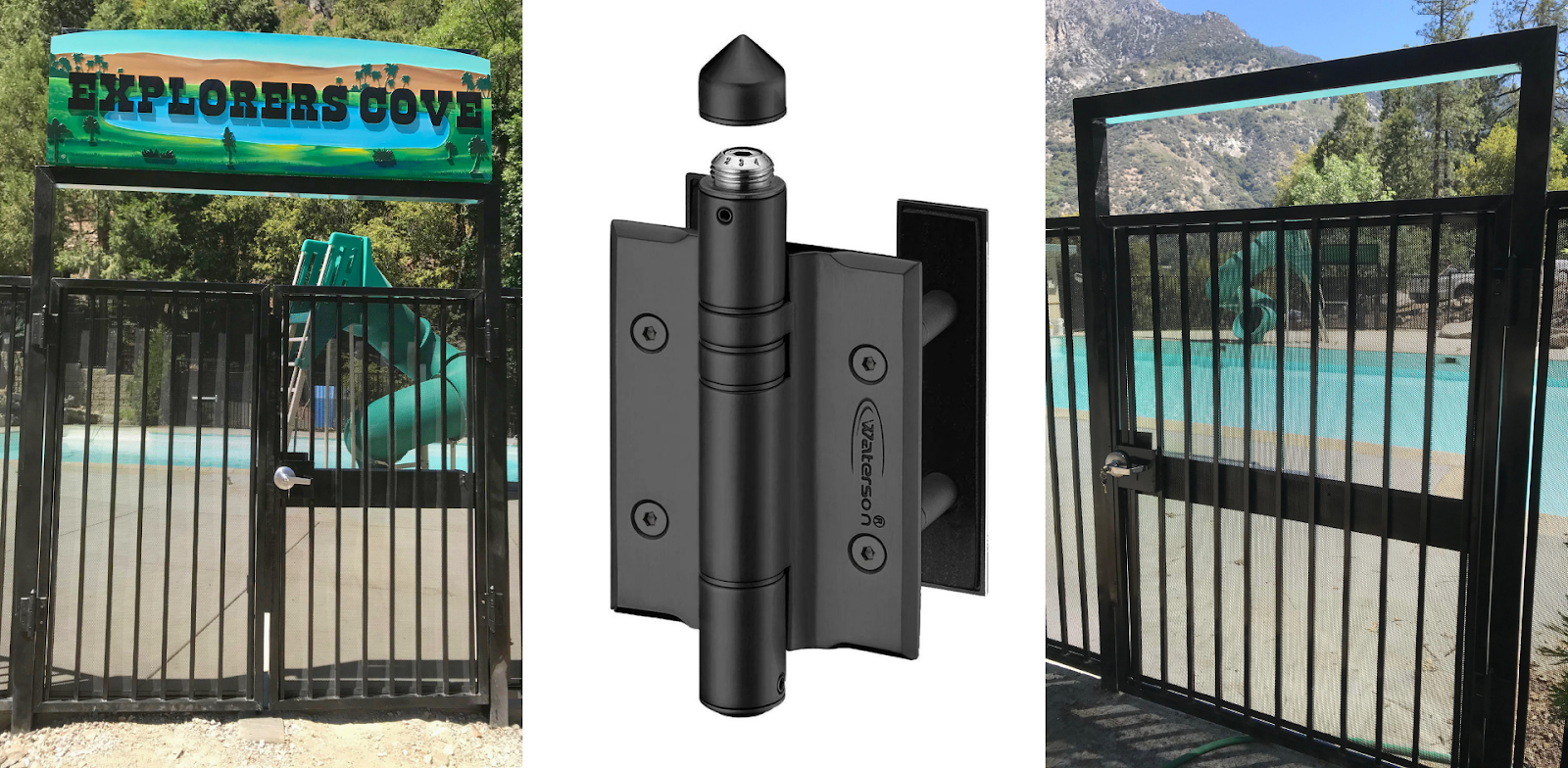
Quick Answer A swimming pool gate closer needs to be self closing, weatherproof, able to support the gate's weight without sagging, and easy to install [...]
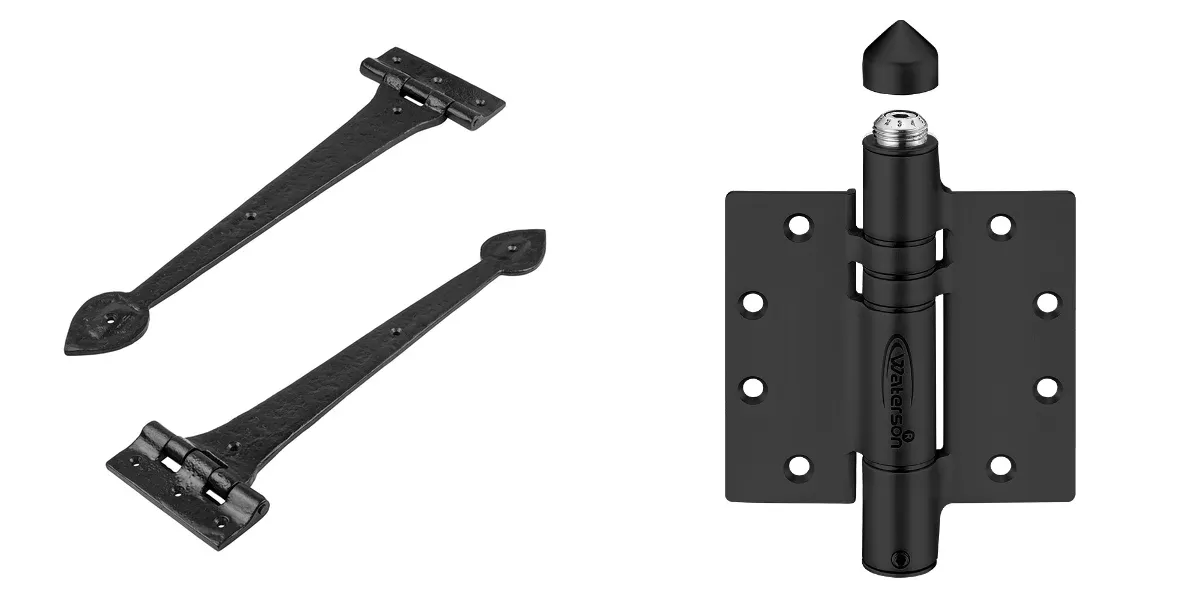
Quick Answer Metal gates need spring gate closers rather than traditional spring hinges because standard hinges often sag, corrode, or close inconsistently under a heavy [...]
Quick Answer No. Fire-rated door closers cannot use a mechanical hold-open feature. Under IRC R302.5.1 and NFPA 80, a fire-rated door must self-close and latch [...]