Door Closer vs Spring Hinges: How to Save Time and Money in Large Project
Quick Answer Traditional door stops pose a child safety risk because their rubber covers can be pulled off and become a choking hazard, and wall [...]


Quick Answer Traditional door stops pose a child safety risk because their rubber covers can be pulled off and become a choking hazard, and wall [...]
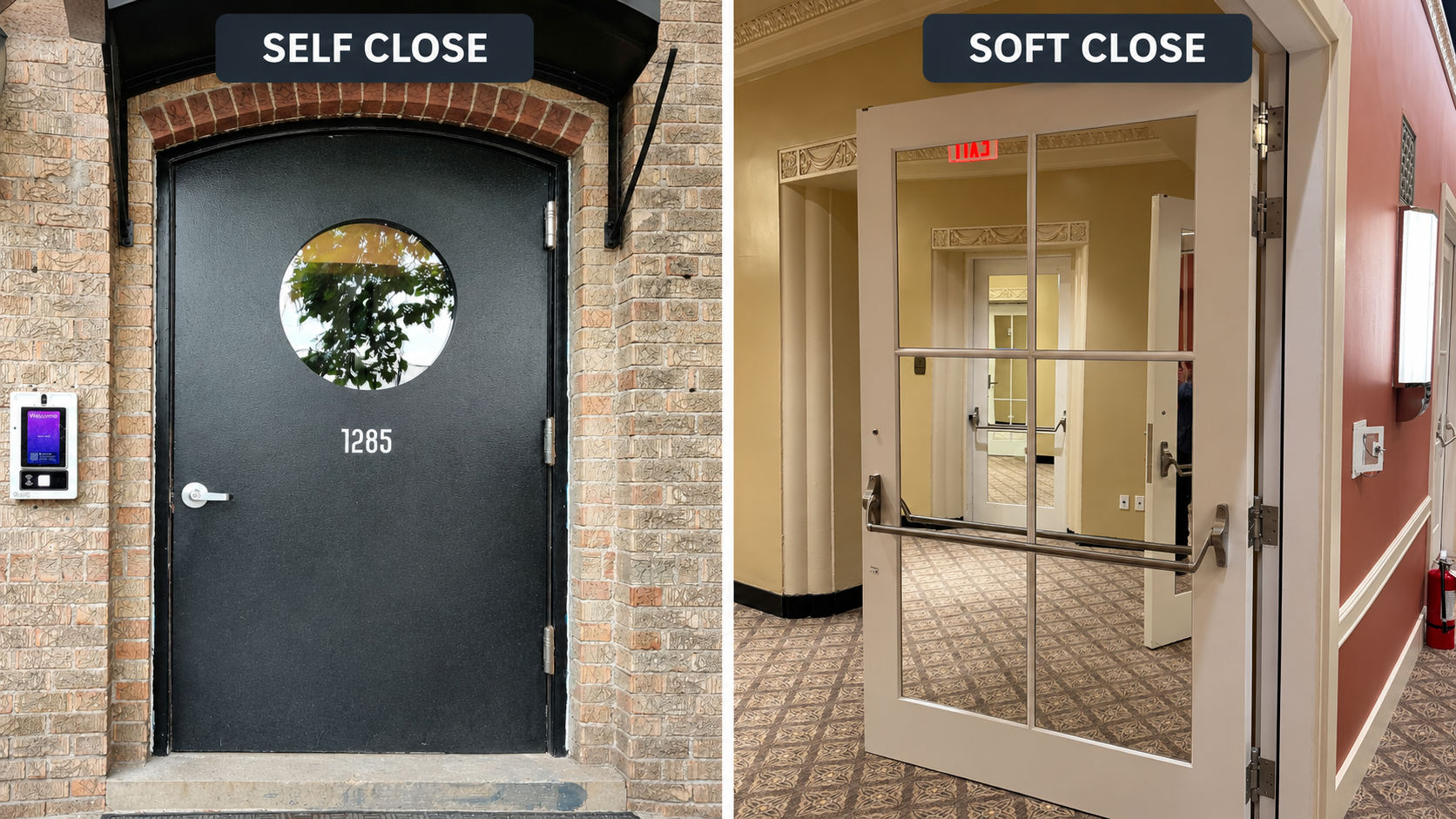
Self close hinges shut the door on their own. Soft close hinges only slow the door so it won’t slam. Learn how to choose.

Mechanical or hydraulic self closing hinges? Compare warranty, wind control, temperature, swing angle, and price to pick the right Waterson set: A, B, C, or D.
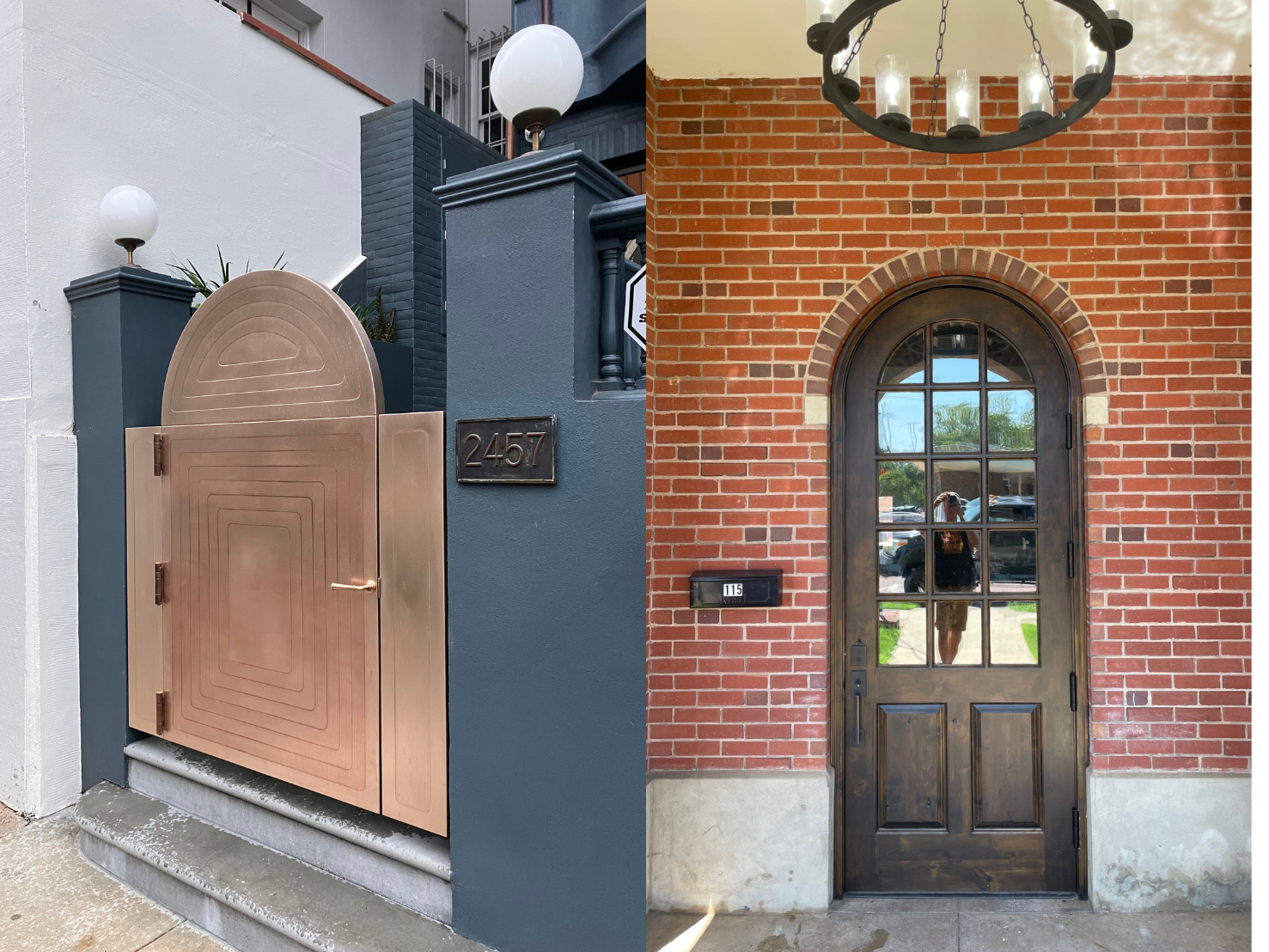
Quick Answer Stand on the pull side of the door. Hinges on the left = left hinge. Hinges on the right = right hinge. For [...]
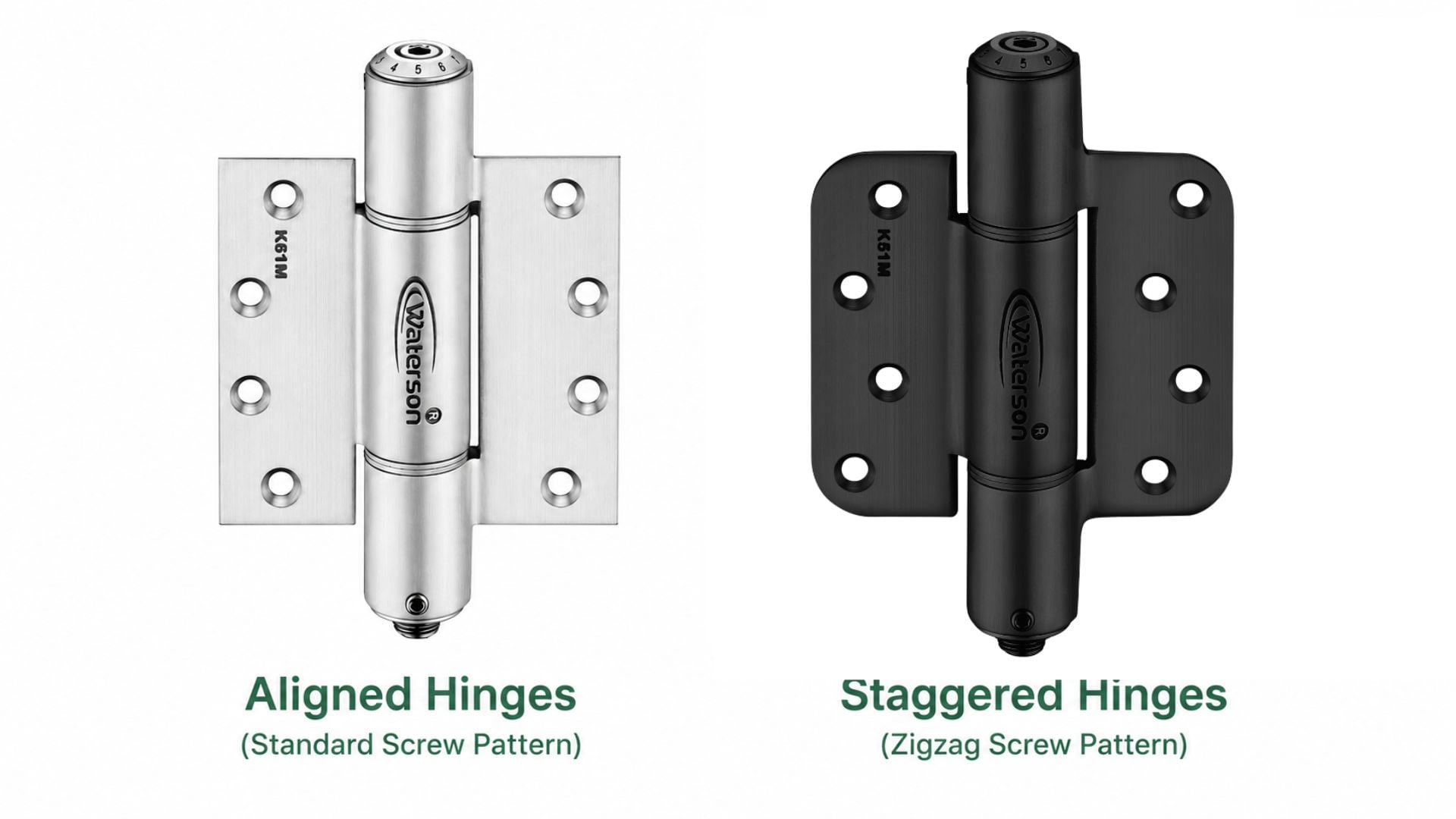
When sourcing replacement hinges, most buyers check size, radius, and finish, then assume the screw holes will simply line up. In practice, the screw hole [...]

Quick Answer Spring hinges mount on the door edge like regular hinges, cost less, and stay invisible, but basic models can slam the door. Overhead [...]

Quick Answer Spring piano hinges work well for light to medium doors (up to ~60 lbs for a 24" hinge), but struggle with heavy, high-traffic, [...]
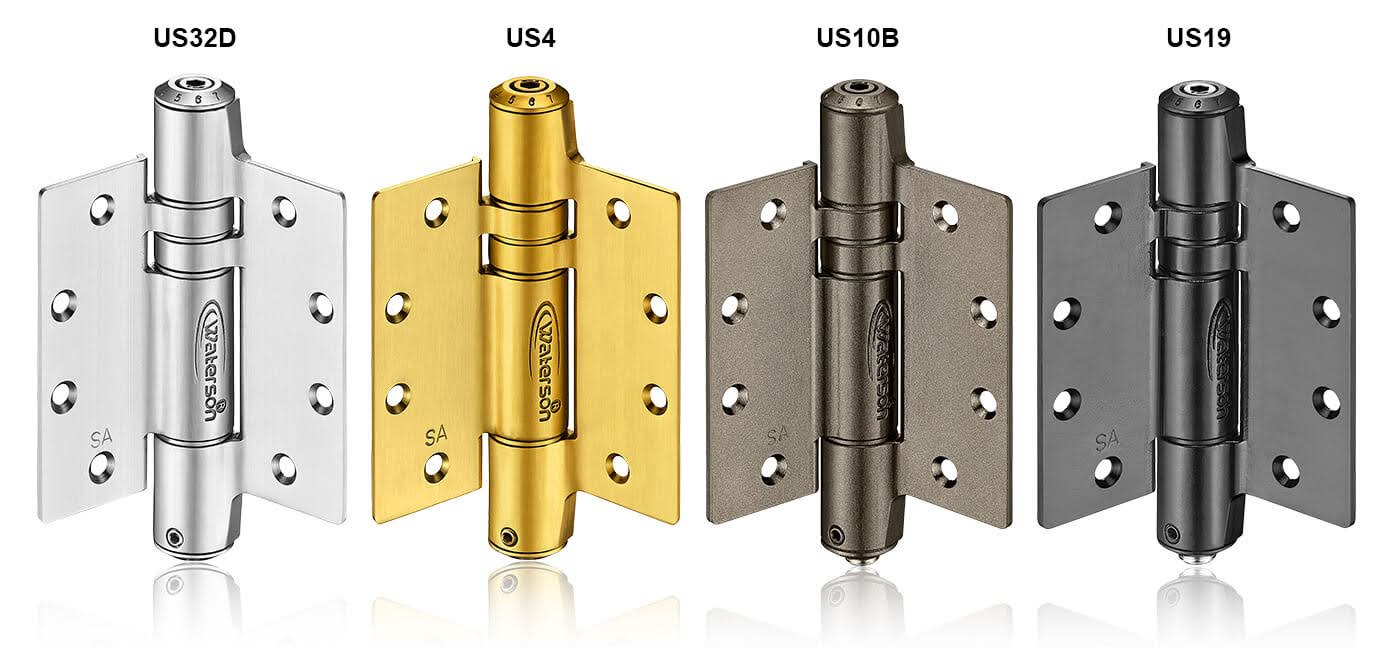
Most commercial self-closing hinges still adopt either spring or hydraulic damper for [...]
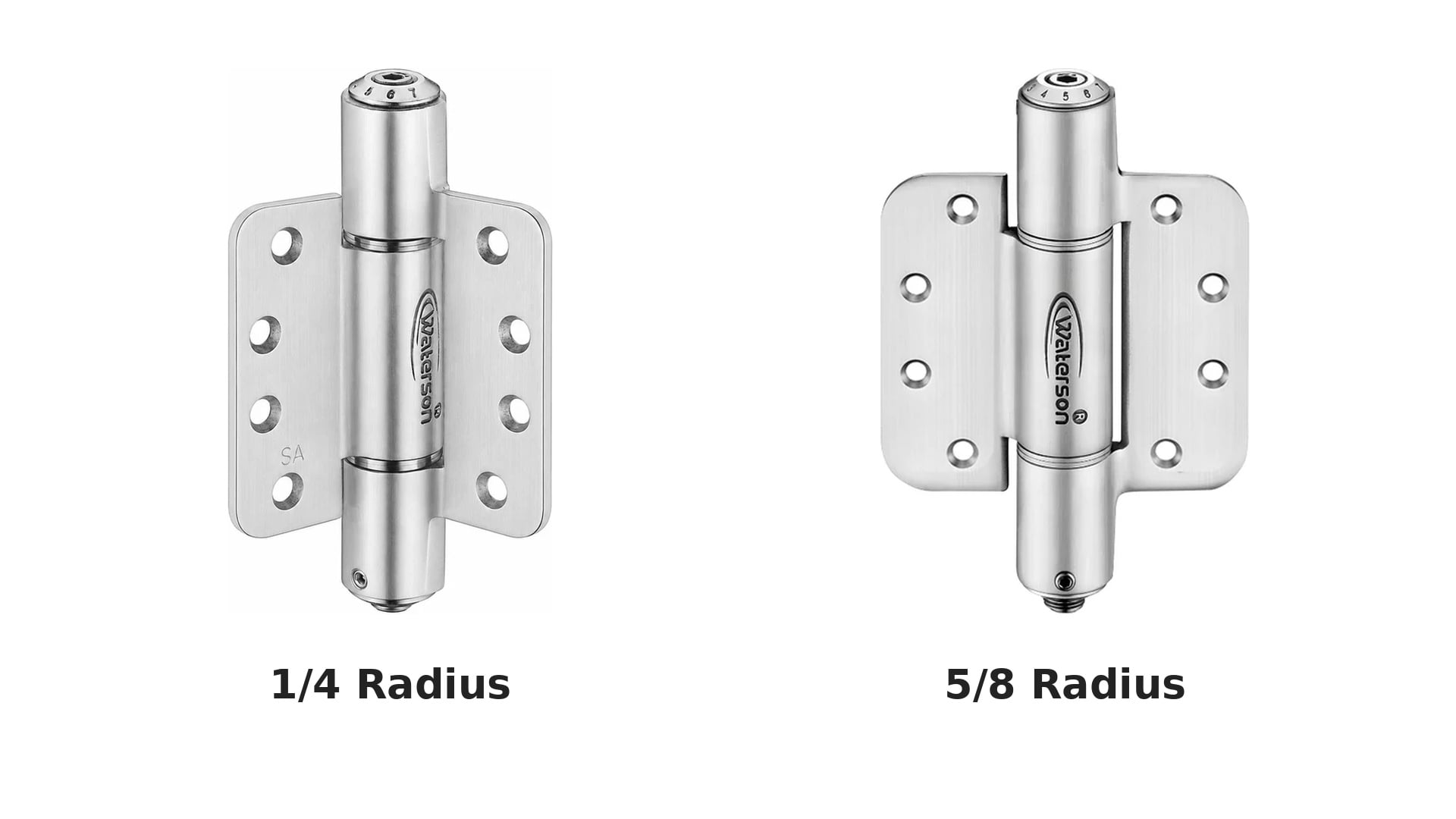
Quick Answer Most 4 inch residential door hinges have one of three corners: square, 1/4" radius, or 5/8" radius. A rounder hinge fits a mortise [...]

In high-traffic projects, when a door swings open on its own, it can create serious trouble. It disrupts daily use, and worse—bam!—the door can slam [...]