NFPA 80 Residential Fire Door Requirements: 13 Point Inspection Checklist
Quick Answer NFPA 80 is the standard that defines minimum requirements for fire door installation, inspection, and maintenance in buildings. It requires fire doors to [...]

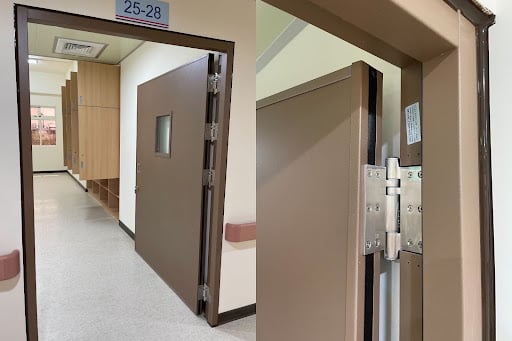
Quick Answer NFPA 80 is the standard that defines minimum requirements for fire door installation, inspection, and maintenance in buildings. It requires fire doors to [...]
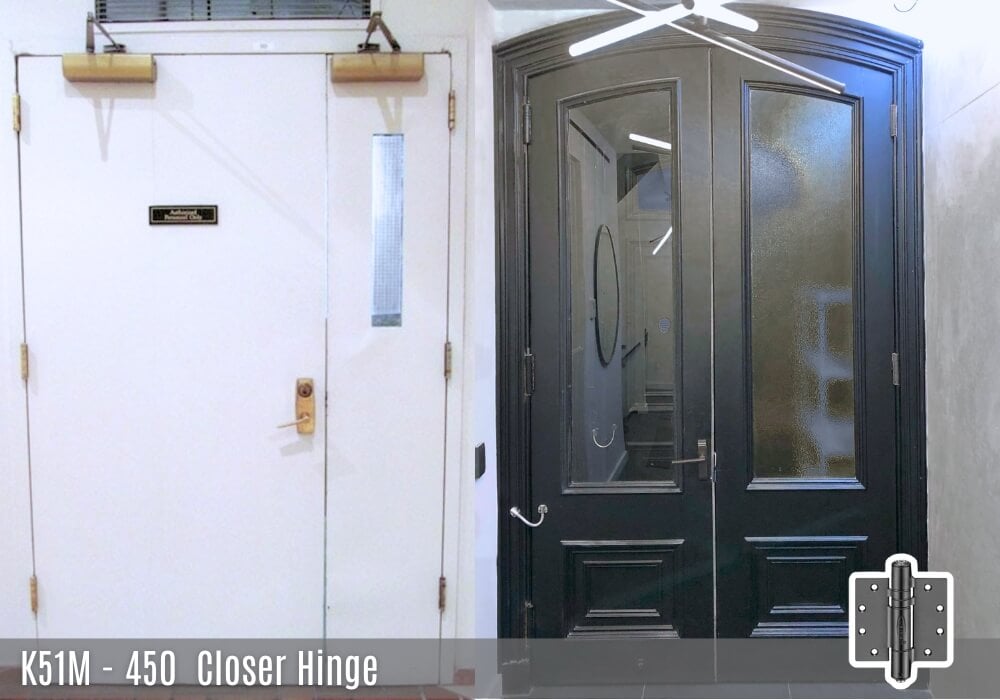
Quick Answer An unequal double door is a pair with one wide active leaf and one narrow inactive leaf, sized so the active leaf alone [...]
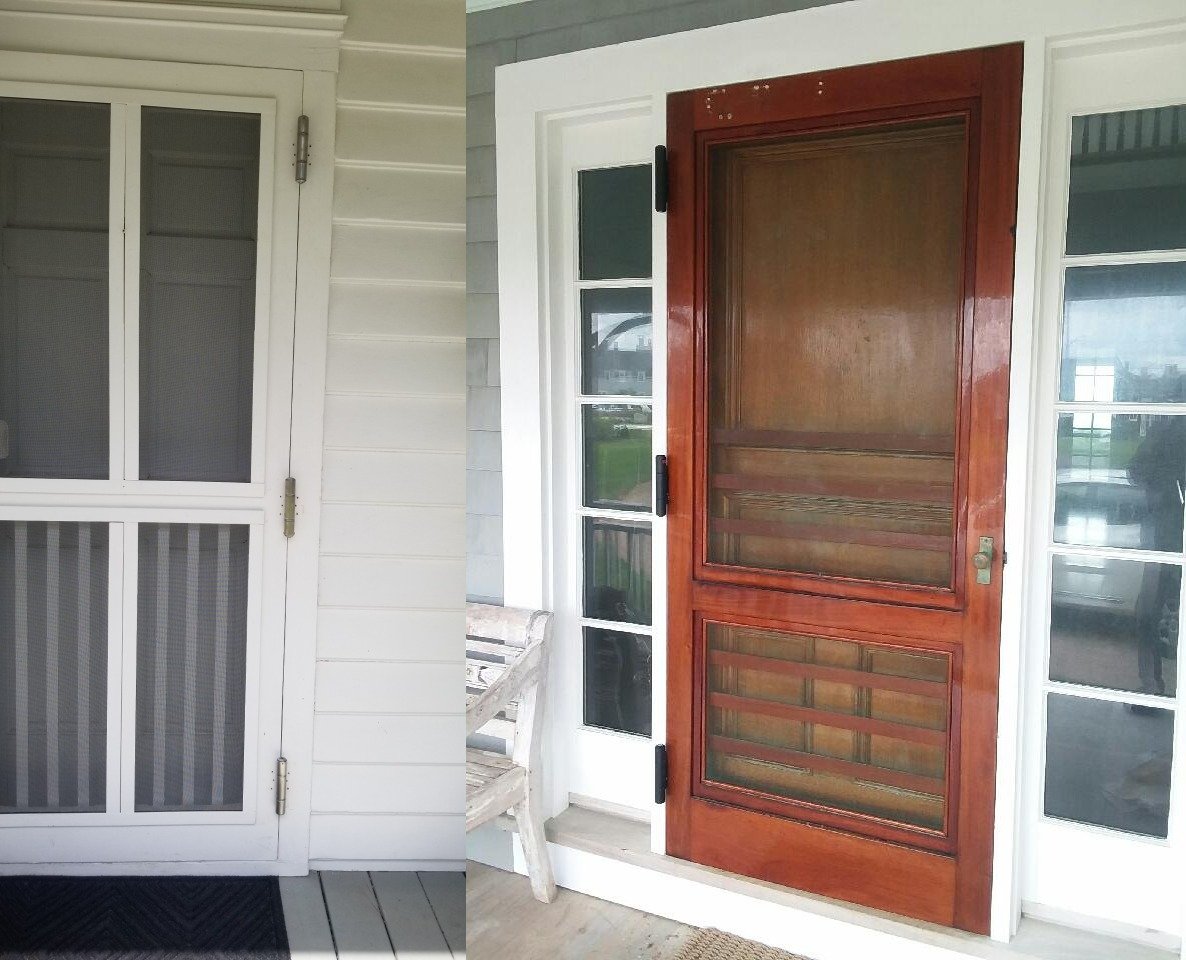
“I attach photos of the storm door in question. It had one self-closing arm on the bottom and this is now the third time it [...]
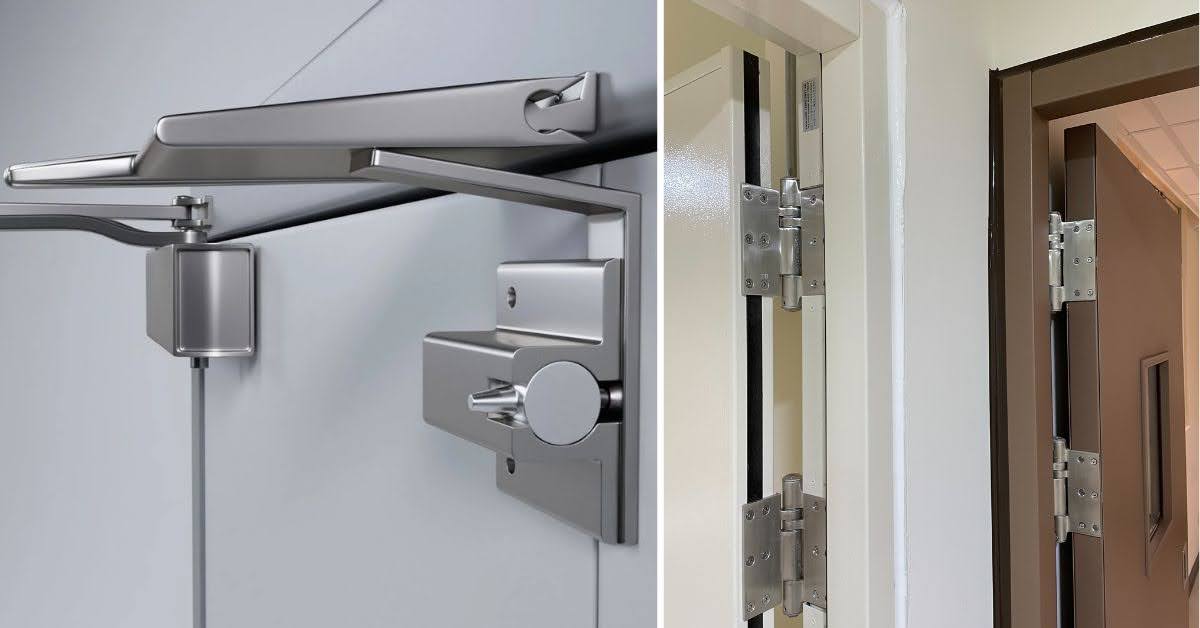
Quick Answer A door coordinator makes the inactive leaf of a pair close before the active leaf, so the active leaf can close over the [...]
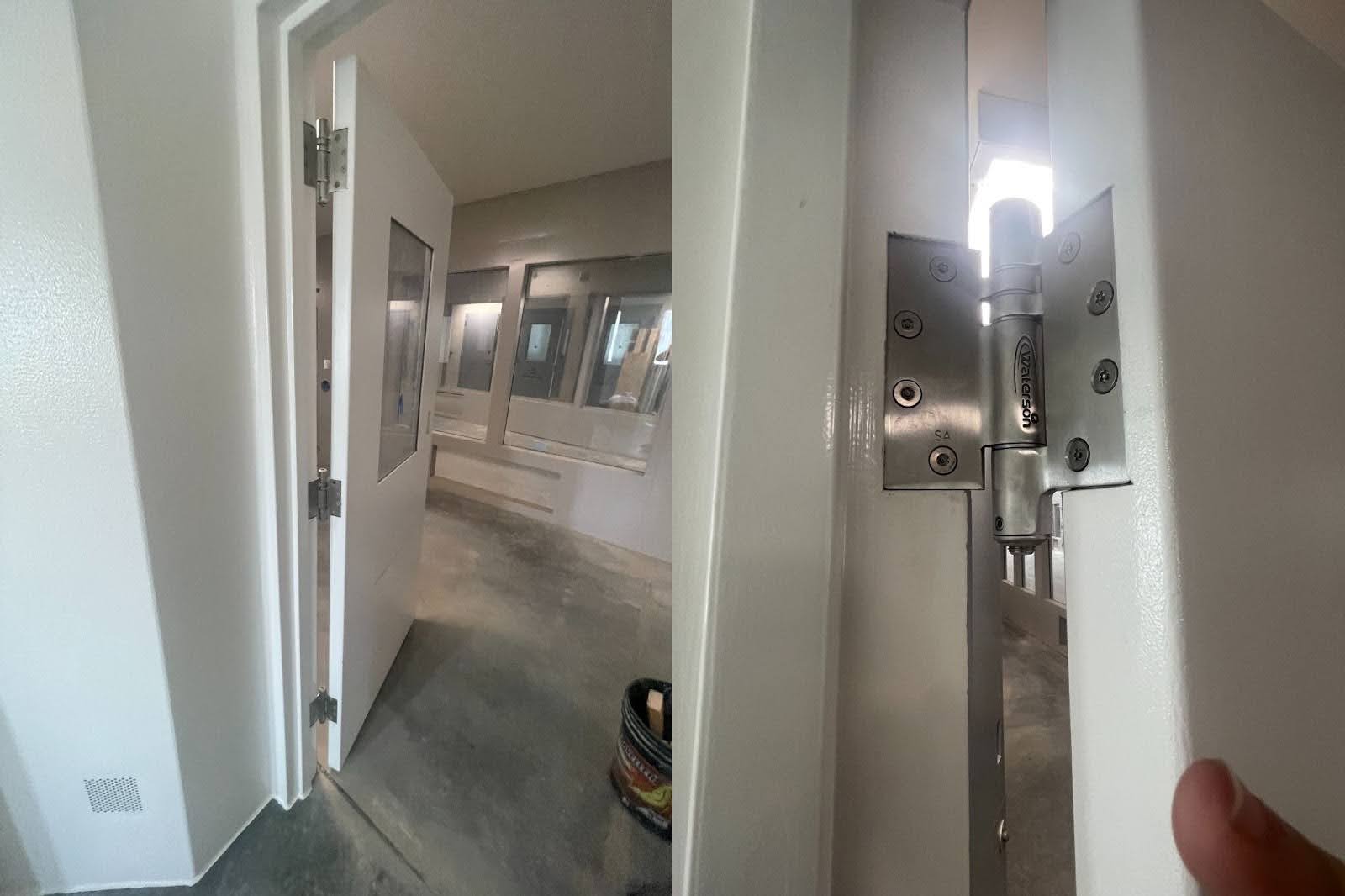
Quick Answer Wind slams doors or snatches them open when air pressure inside and outside the building differs, and larger doors catch more force. To [...]
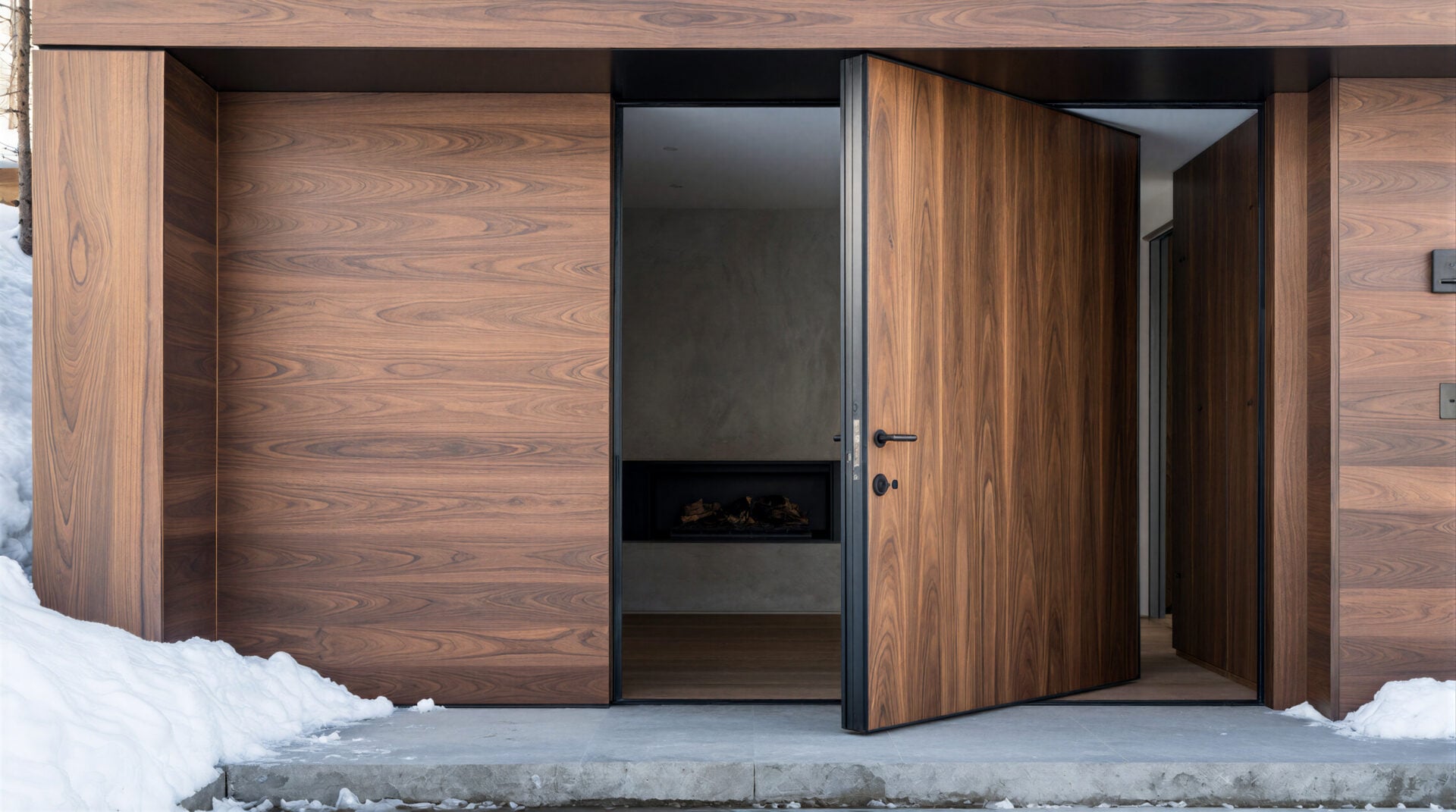
"Our storefront door runs on a floor closer that has been leaking oil for months. Now the door drifts open and slams shut. The installer [...]
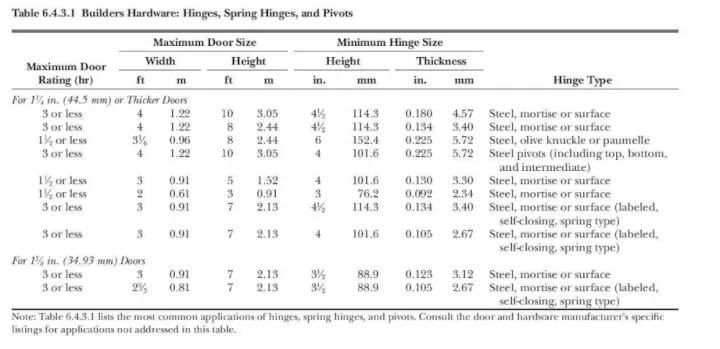
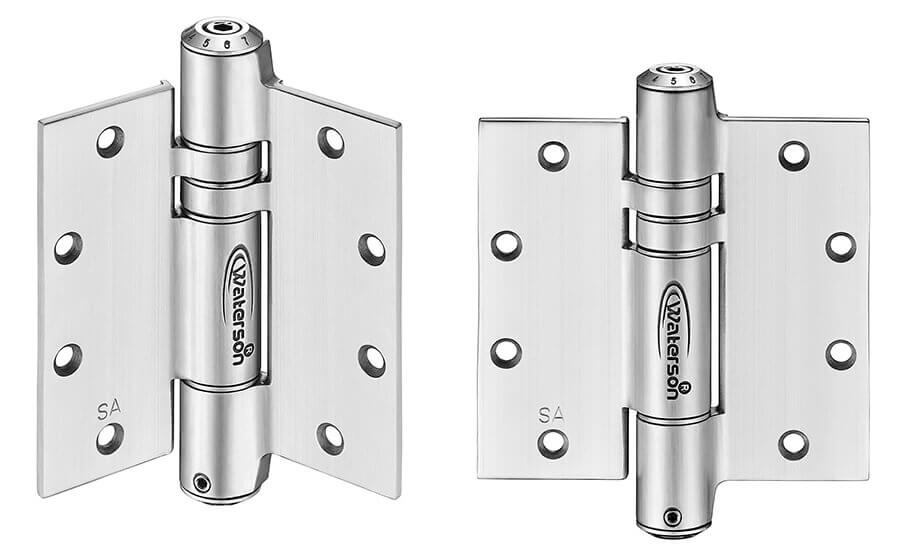
Spec writers are frequently challenged to source fire-rated, self-closing door hardware that fits their projects. To help, NFPA 80 provides Table 6.4.3.1, which lists the [...]
Whether you're taking down a door for painting, fixing a squeak, or clearing space for a large piece of furniture, removing the hinge pins is [...]
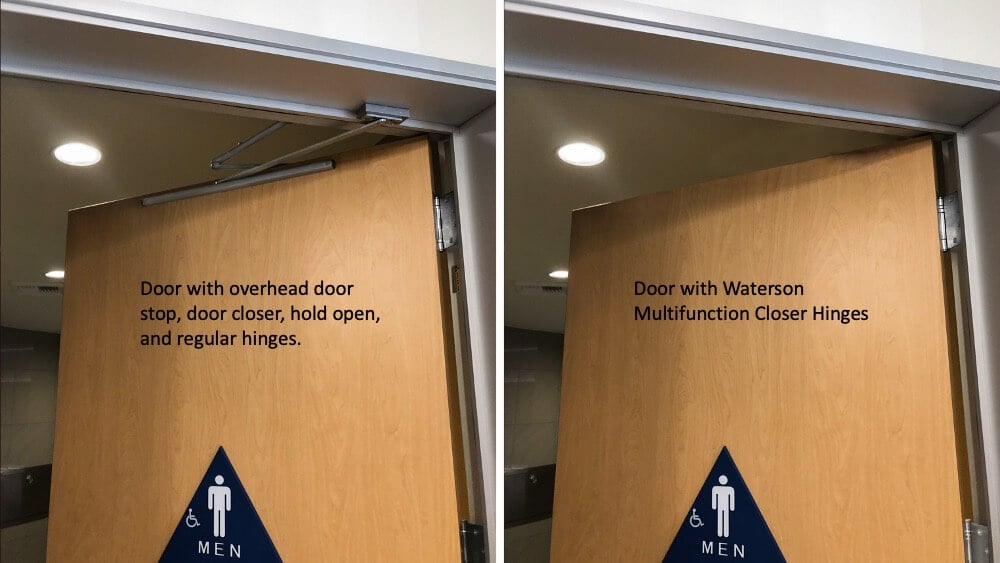
Quick Answer A hinge with door stop and hold open built in is a simpler alternative to overhead door stops, which require precise sizing and [...]
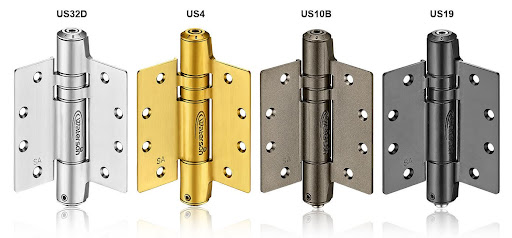
Quick Answer Door hinges come in three main types: heavy duty stainless steel hinges, ideal for commercial and fire rated doors, supporting up to 330lbs [...]