
Quick Answer
NFPA 80 is the standard that defines minimum requirements for fire door installation, inspection, and maintenance in buildings. It requires fire doors to be self-closing, properly latched, free of gaps exceeding 3/4 inch at the bottom and 1/8 inch on other sides, and inspected against a 13-point checklist to ensure they effectively contain fire and smoke.
NFPA 80 is a comprehensive standard that sets the minimum requirements for fire doors or smoke doors, and other protective openings in buildings. It covers various aspects of fire door installation, from material specifications to inspection protocols, ensuring that these critical components function effectively in case it fires.
The primary goal of NFPA 80 is to safeguard lives and property by providing a framework for the proper installation, inspection, and maintenance of fire doors. By adhering to these guidelines, architects can better equip the buildings to contain fires and prevent the spread of smoke and flames.
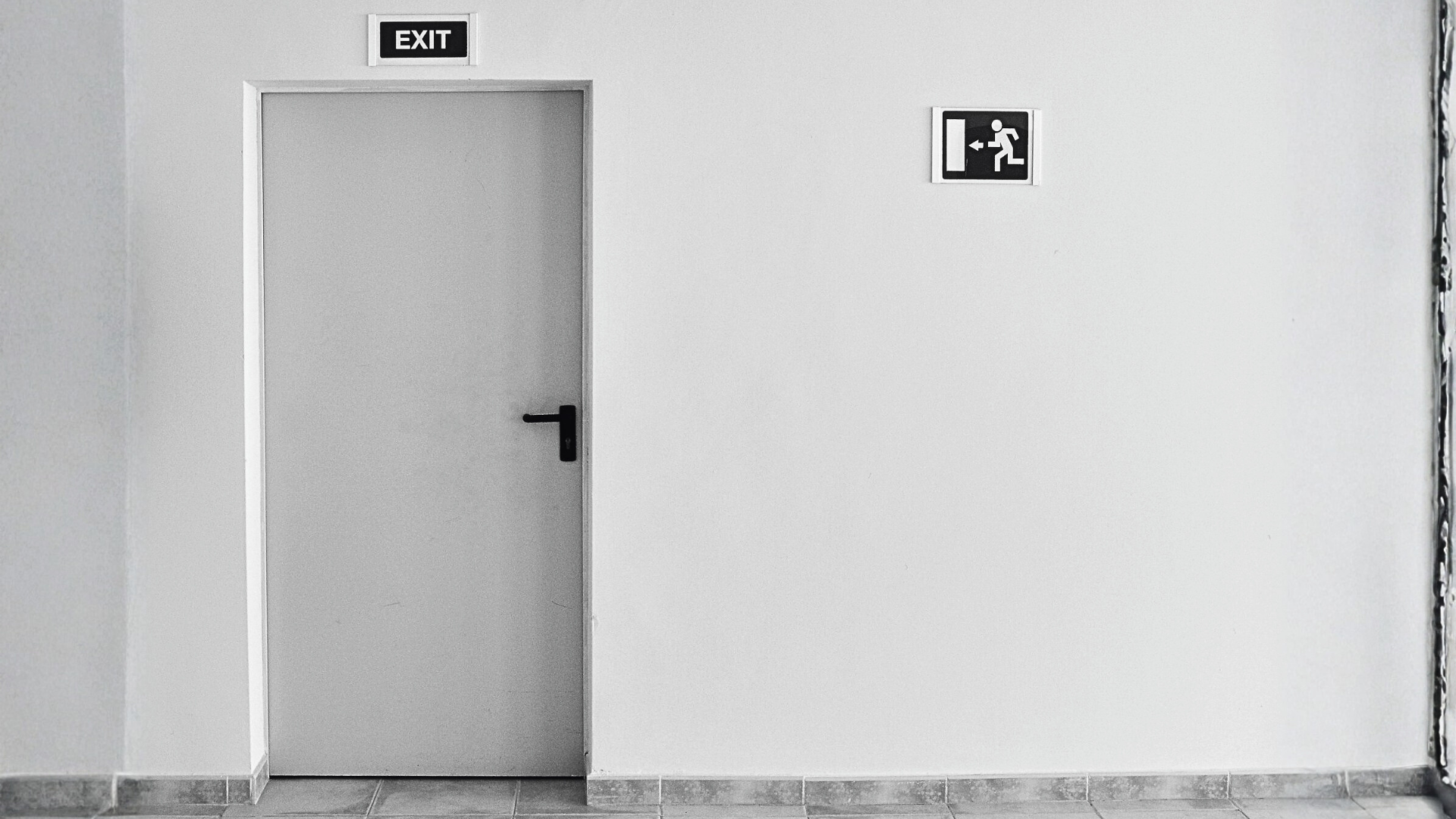
What NFPA 80 Actually Requires
The key requirements that apply to fire door hinges under NFPA 80 include:
- Self-close and latch from full-open position, every time (§5.2.1, §5.2.14.1). This is the most commonly cited failure during annual inspections. The door must travel from maximum open to a fully latched position without manual assistance.
- Remain operable at all times (§5.1.3.1). No sag, no barrel play, no seized knuckles. A hinge that passes visual inspection but introduces lateral movement at the pivot will eventually cause gap overruns and latch misalignment.
- No paint accumulation on any movable part (§5.2.14.5). One of the most common deficiencies on annual inspection. Painters routinely coat corridor hardware without masking hinge barrels, which locks the knuckles and prevents rotation.
- Defects corrected without delay (§5.1.5.1). The code allows no flexibility on timing. A deficient hinge cannot be flagged and deferred to the next maintenance cycle.
- Perimeter clearance maintained (§4.8.4.1). Maximum 1/8 inch at the sides and top, 3/4 inch at the threshold. Hinge wear and spring fatigue are the most common causes of these gaps growing out of spec over time.
- Annual inspection with signed records (§5.2.1). The Authority Having Jurisdiction (AHJ) can request these records at any time.
Meeting NFPA 80 is not a one-time checklist at installation. It is an ongoing obligation that covers hardware condition, clearances, closing performance, and documented records across the full life of the assembly.
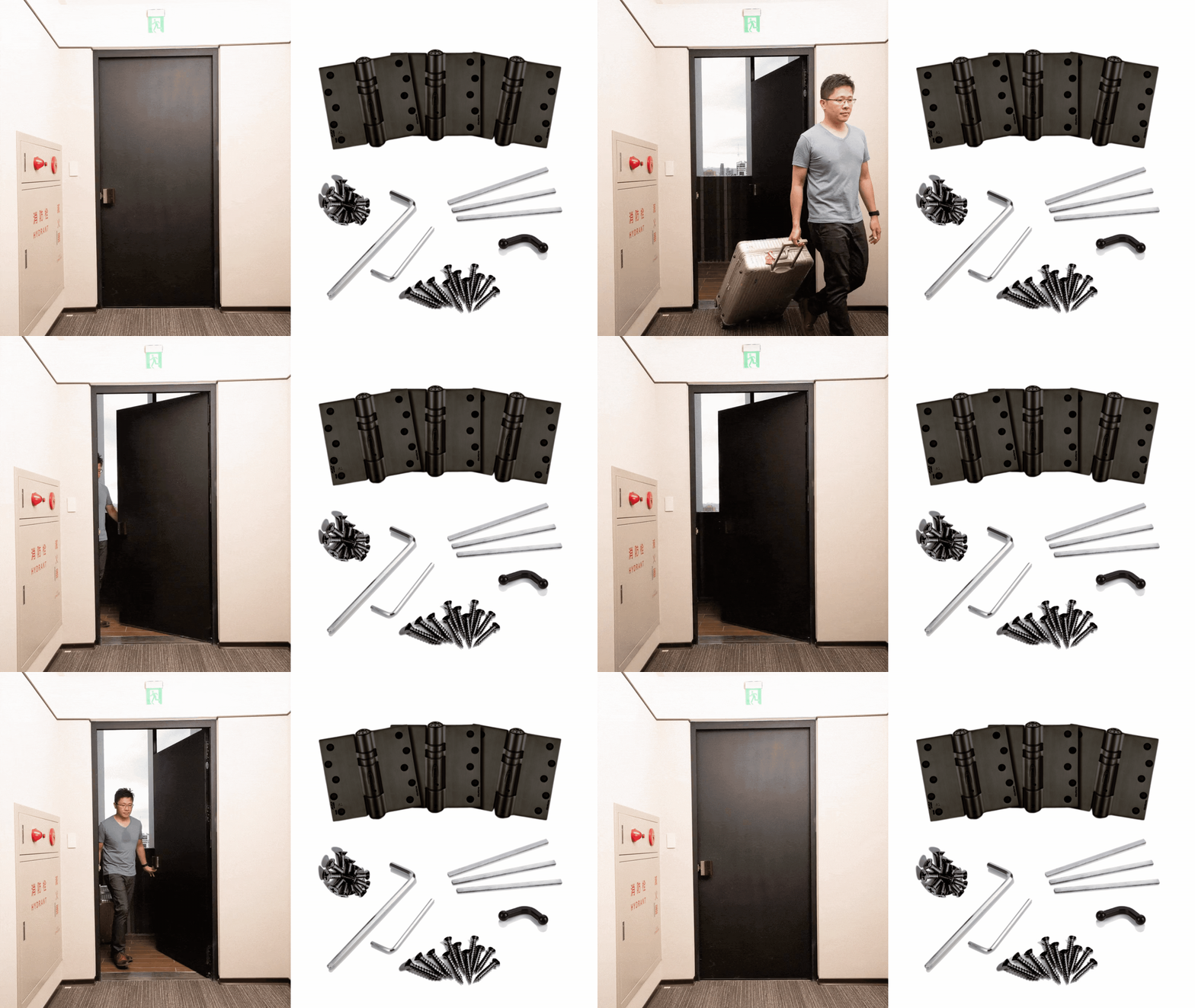
13 Point Fire Door Inspection Checklist
NFPA 80 – Fire Door establishes detailed residential fire door requirements to ensure that fire doors, frames, and hardware assemblies function as intended in fire conditions. To translate these technical standards into practice, the 13 Point Fire Door Inspection Checklist serves as the operational cornerstone, including:
- Label Verification: Confirm that all required labels are clearly visible, legible, and compliant (e.g., manufacturer’s name, serial number, type of approval).
- Openings and Surface Integrity: Ensure no open holes or breaks exist in door or frame surfaces.
- Vision Panels and Glazing: Verify that glazing, vision light frames, and glazing beads are intact and securely fastened.
- Door, Frame, and Hardware Condition: Check that components are secured, aligned, functional, and free from visible damage.
- Missing or Broken Parts: Confirm no parts of the door assembly are missing or broken.
- Clearances: Measure door clearances to verify they do not exceed NFPA 80 limits (per 4.8.4 and 6.3.1.7).
- Self-Closing Operation: Test that the self-closing device fully closes the active door from the full-open position.
- Coordinator Function (Double Doors): Verify that the inactive leaf closes before the active leaf to allow proper latching.
- Latching Hardware: Confirm that latching hardware engages and secures the door when closed.
- Prohibited Hardware: Ensure no auxiliary hardware is installed that interferes with or prohibits proper door operation.
- Modification Prohibition: Verify that no field modifications have been made that void the fire door’s rating or label.
- Seals and Gasketing: Inspect for required meeting edge protection, gasketing, and edge seals, ensuring presence and integrity.
- Signage Compliance: Confirm that any signage affixed to the door meets NFPA 80 requirements (per 4.14).
Download the NFPA 80 13-point fire door inspection checklist.

While the 13-point checklist covers the broad operational requirements for fire doors, it is also important to connect these points to the materials and hardware that make compliance possible. This is where the choice of materials—especially stainless steel, and reliable self-closing mechanisms like hinges or closers becomes critical for ensuring long-term compliance and safety.
What Makes the Waterson K51M Fire Rated Spring Hinged Different from a Standard Spring Hinge
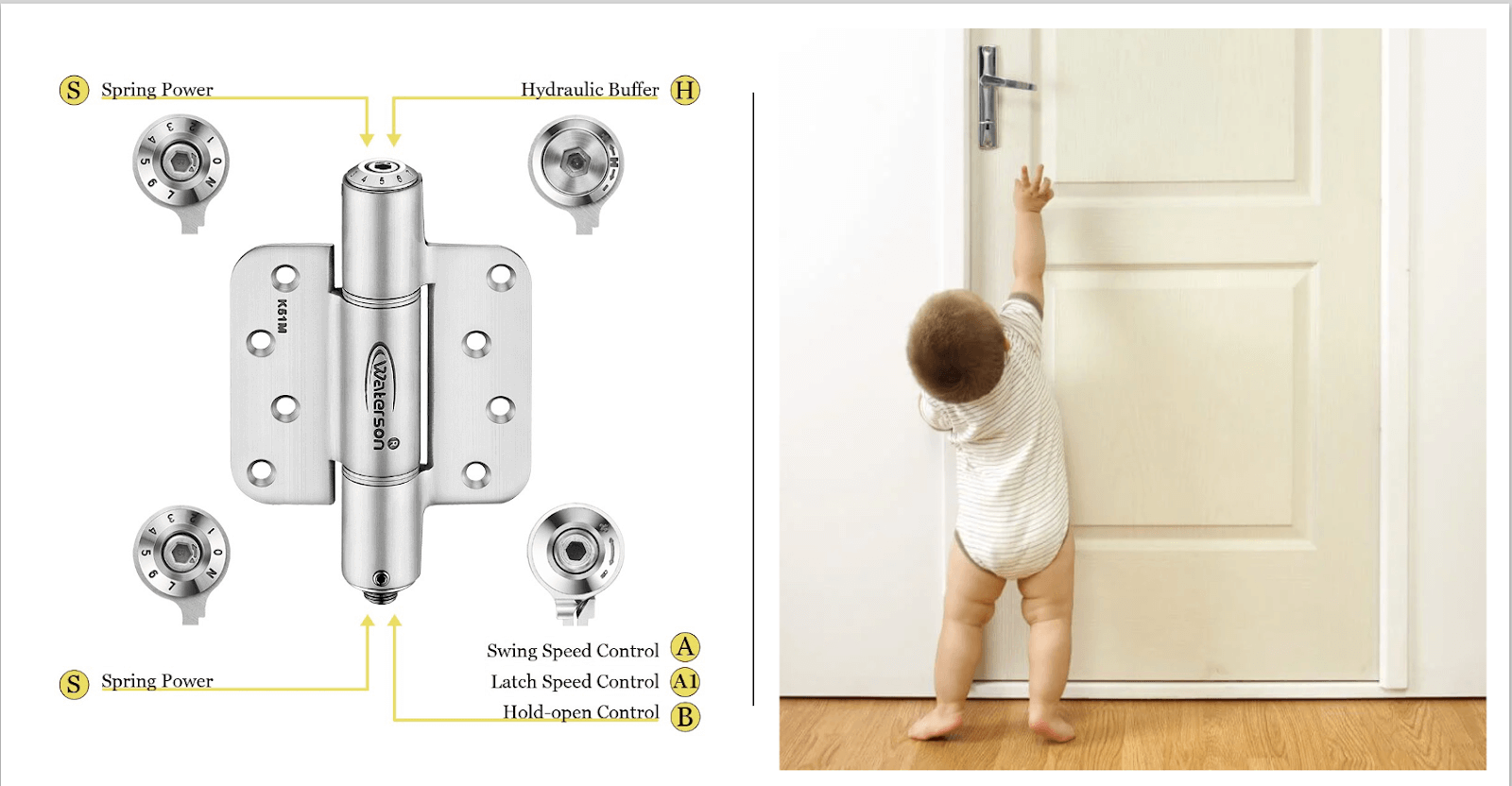
Waterson stainless steel self-closing fire-rated hinges have gone through the challenging one million cycles test. This standard demonstrating robust durability and reliable self-closing functionality, which is essential for fire safety. These hinges efficiently close doors from a 90-degree open position. Moreover, the ANSI/BHMA A156.17 standards also make sure these hinges are suitable for high-traffic and diverse door applications.
The adjustable spring tension suits the doors weighing between 260 lbs and 440 lbs with three to four hinges. Additionally, Waterson fire-rated door hinges adhere to NFPA 80 clearances, maintaining less than 3/4 inch at the bottom and 1/8 inch on the other sides. They also ensure doors remain securely latched in closed positions, vital for fire-rated door integrity.
Some of our Key Features for fire-rated door hinges include:
- 3-hour UL Listed fire rating: the highest available for self-closing hinges, suitable for the most demanding fire door assemblies
- Adjustable swing and latch speed: separate control zones for each, ensuring positive latching from full-open position per NFPA 80 §5.2.1.5
- ADA compliant: for opening force and closing speed, meeting accessibility requirements alongside fire code
- Self-closing door closer mechanism: hydraulic damping controls closing speed, minimizing door slam that damages the frame over time
- PVD finish in 4 standard colors: Satin, Black, Brass, Bronze, applied at the factory, eliminating any reason for field painting
- Warranty: 10-year for mechanical models, 3-year for hydraulic models, covering material and manufacturing defects
Looking for UL-listed fire rated hinges for commercial and residential doors?
Spring Hinges vs. Door Closer: What Changes at Inspection
When inspecting fire door assemblies across commercial, hospitality, and healthcare projects, architects and contractors have to evaluate more than just whether the door closes. Self-closing hardware, latching force, clearances, ADA compliance, and long-term reliability all come into the picture. Based on what architects who have worked with us keep running into, here is how a traditional overhead door closer and the Waterson K51M self-closing hinge compare.
| Category | Overhead Door Closer | Waterson K51M Fire Door Spring Hinge |
|---|---|---|
| Hardware (per door) | $150-$380 per closer unit | ~$359-$538 per 2-4-pack (retail). ~$130-$170/hinge. |
| Installation labor | Frame drilling + arm bracket mounting. Typically $75-$150/door. | Drops into standard ANSI mortise. Same prep as butt hinge. Lower labor cost. |
| Maintenance | Medium – Arm wear, hydraulic fluid, linkage adjustment over time. | Low – Investment-cast SS304. 1M-cycle UL-verified. No exposed moving arms. |
| Self-closing device §6.4.1.4 | Yes – Accepted. ANSI/BHMA A156.4 Grade 1. | Yes – Accepted. ANSI/BHMA A156.17 Grade 1. |
| UL fire rating | 3-hr – UL 10C listed. | 3-hr – UL listed. Highest available for self-closing hinges. |
| 8-ft door tested | Yes – Standard configurations available from major brands. | Yes – K51M-500D and K51M-600 tested on 8-ft configs, UL-witnessed. |
| Positive latch reliability | Good – Consistent hydraulic force. Arm wear can cause latch miss over time. | Good – Dedicated latch speed zone (final 20°) maintains positive engagement. |
| 5-sec closing speed (ADA) | Yes – Adjustable on all Grade 1 models. | Yes – Separate swing + latch speed controls on each hinge. |
| Visible on door face | Yes – Arm, cylinder, and cover plate all project from door/frame. | No – Flush in mortise pocket. No projecting arm. |
| Door modification | Some – Frame drilling and arm bracket required. | None – Standard ANSI mortise prep only. |
| Warranty | 30-year limited (varies by brand). | 10-year (mechanical) / 3-year (hydraulic). |
* Prices based on the Waterson Online Store as of 2026.
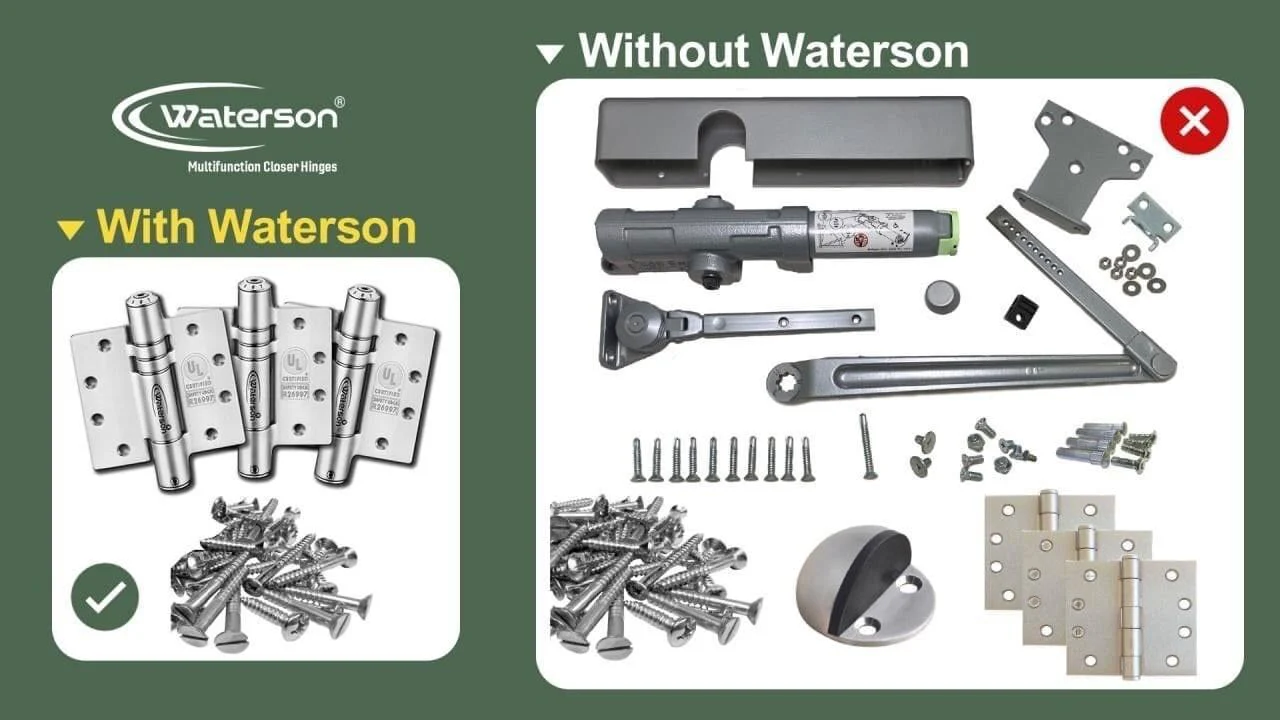
Pass the Annual Inspection by Design with Waterson Hinges
Most fire door failures come down to hardware: doors that do not close fully, do not latch, or have sagged out of their clearances. Inspect every fire door at least once a year against the 13 NFPA 80 points, and check smoke-rated doors against NFPA 105 at the same visit. Specifying listed, all-mechanical closer hinges without hold-open removes the surface closer and gives inspectors a door that closes and latches every time. Download the 13-point inspection checklist, request a quote, or talk to a Waterson product specialist about your fire-rated openings.
Fire door assemblies must be inspected and tested at least once a year, after installation, and after any maintenance work. A qualified person checks both sides of each swinging door against 13 points, including labels, clearances, self-closing operation, and latching. Results must be recorded in a written report that the AHJ can review, and deficiencies must be corrected without delay.
For hollow metal doors, the clearance at the top, the hinge and latch edges, and between meeting stiles of pairs is 1/8 inch, plus or minus 1/16 inch. The clearance under the bottom of the door is 3/4 inch maximum. Wood door limits can differ by edition and manufacturer, so check the edition your AHJ has adopted.
No. Smoke door assemblies are covered by NFPA 105, the Standard for Smoke Door Assemblies and Other Opening Protectives. Many corridor and stair doors are both fire-rated and smoke-rated, shown by an “S” on the label, so they must meet NFPA 80 and NFPA 105 together. Inspect them against both standards during the same visit.
Yes, if they are listed for fire doors at the required rating. Waterson all-mechanical closer hinges are UL listed to UL 10B and UL 10C for doors up to 3 hours and must close and latch the door from the full-open position. Do not use hold-open models, and do not rely on hydraulic hybrid hinges alone to close a fire door.
Generally not for single-family homes, which follow the IRC. NFPA 80 applies when a code such as the IBC, IFC, or NFPA 101 (Life Safety Code) requires a fire-rated opening. NFPA 101 decides where fire doors are needed and then points to NFPA 80 for how they are installed, inspected, and maintained, including in multifamily buildings and hotels.
Request For Quote
Please note that Waterson Closer Hinges start from a size of 4″x4″. If you’re in need of smaller self-closing hinges, we’d recommend checking out some other resources! Also, we only provide single acting closer hinges. Thank you.
Recent Post
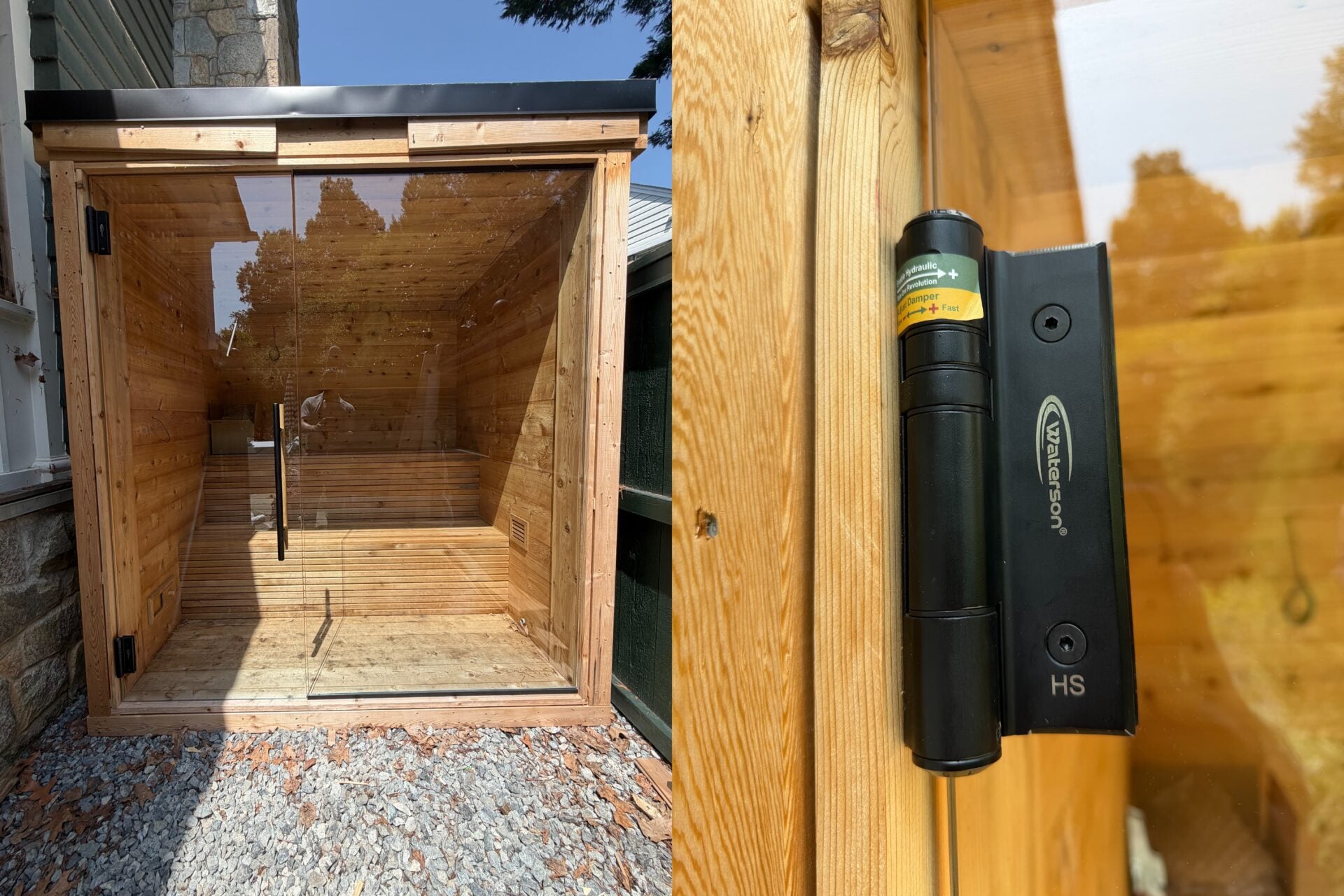
Frameless Glass Sauna Door Hinges: ADA Self Closing Solution for Commercial Saunas
Quick Answer For a frameless tempered glass sauna door that swings from a wall, use the Waterson K51GWL glass-to-wall hinge in the hydraulic hybrid version. [...]

Self Close vs Soft Close Hinges: Two Different Needs, Explained
Most commercial self-closing hinges still adopt either spring or hydraulic damper for [...]
4 Inch Self Closing Door Hinges for Residential & Commercial Doors
Quick Answer Waterson 4-inch self-closing hinges (K51M-400) fit standard 4" x 4" templates on 1-3/8" or 1-3/4" residential doors, in mechanical or hydraulic versions with [...]