Aligned Hinges vs Staggered Hinges: A Comparison of Screw Hole Patterns
When sourcing replacement hinges, most buyers check size, radius, and finish, then assume the screw holes will simply line up. In practice, the screw hole [...]

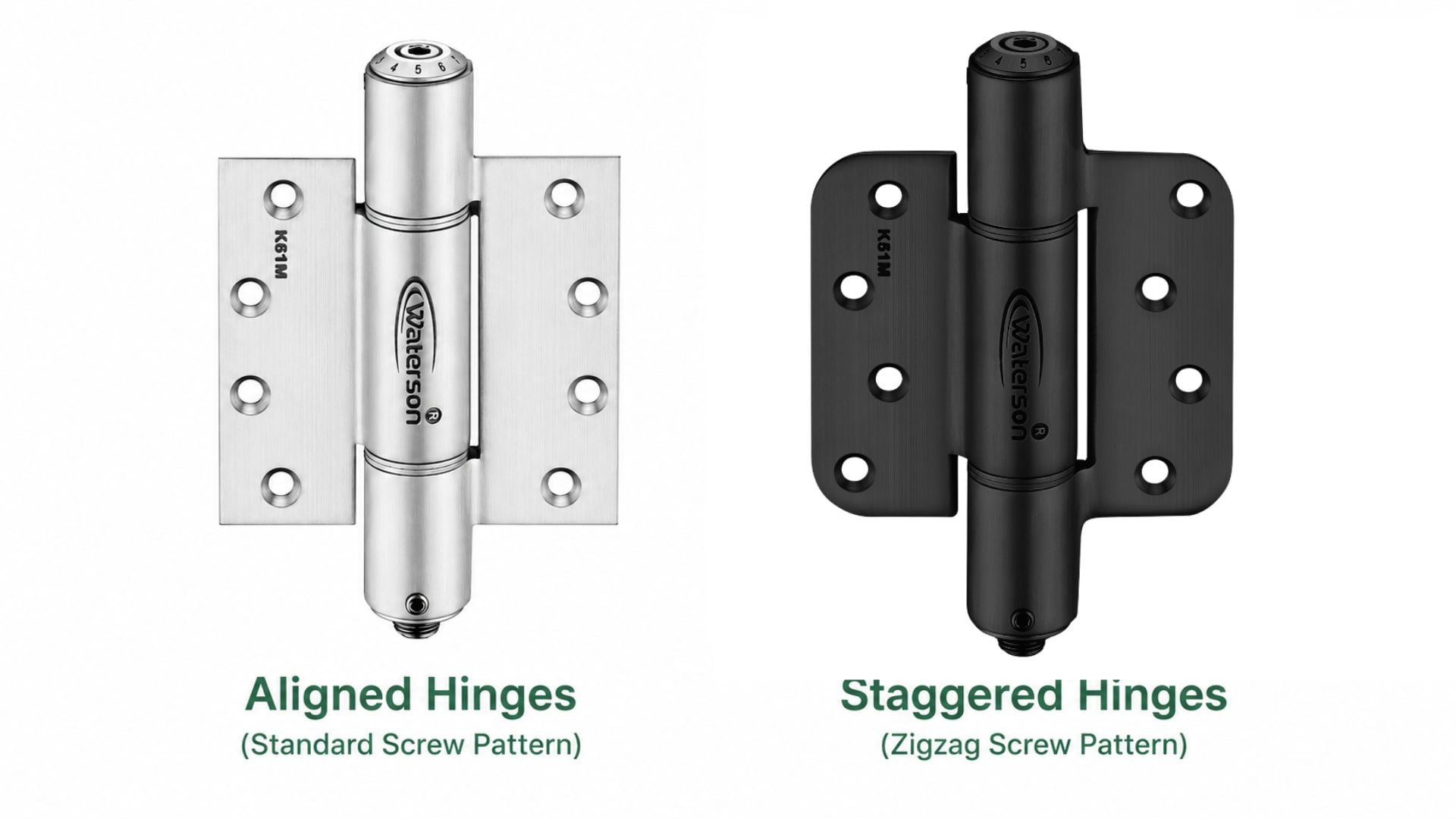
When sourcing replacement hinges, most buyers check size, radius, and finish, then assume the screw holes will simply line up. In practice, the screw hole [...]
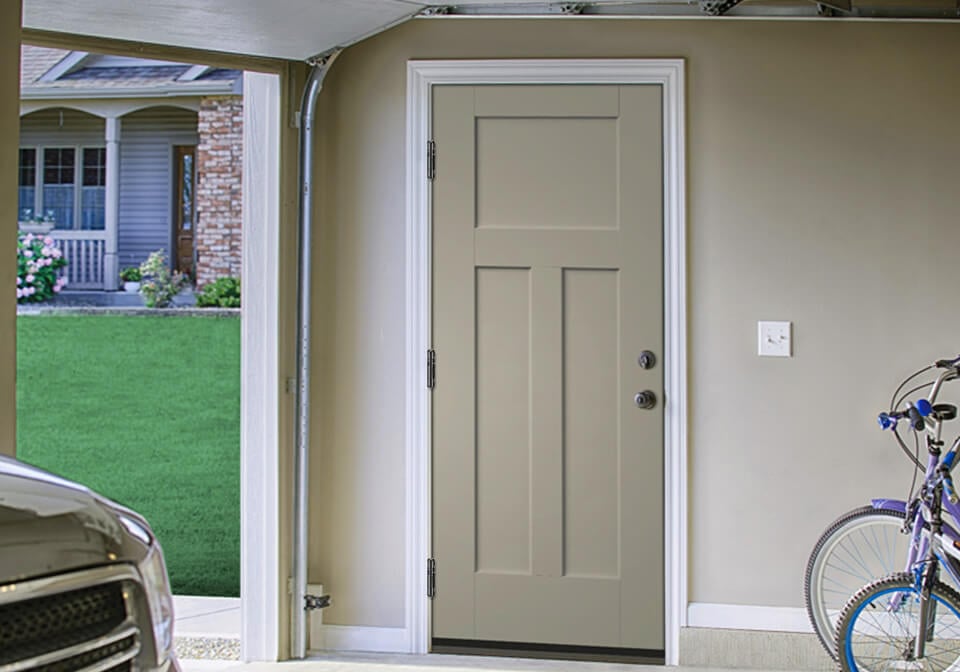
Quick Answer Yes, garage-to-house doors are required to be self-closing in most jurisdictions under NFPA 80, as they serve as a fire barrier between the [...]

Quick Answer Spring hinges mount on the door edge like regular hinges, cost less, and stay invisible, but basic models can slam the door. Overhead [...]

Quick Answer NFPA 80 is the standard that defines minimum requirements for fire door installation, inspection, and maintenance in buildings. It requires fire doors to [...]

In high-traffic projects, when a door swings open on its own, it can create serious trouble. It disrupts daily use, and worse—bam!—the door can slam [...]
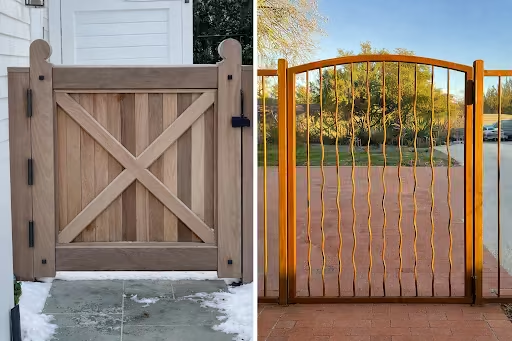
Most people only notice their Gate hinges when something's already broken. The gate won't close, the latch misses the strike plate, and the hinge squeaks [...]
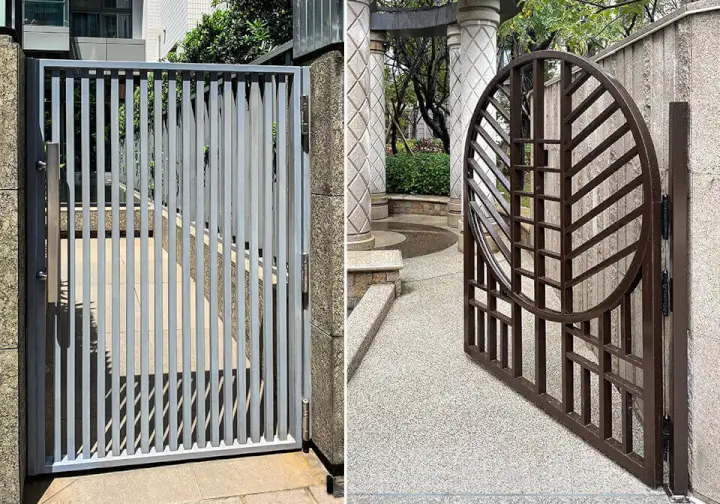
Materials are one of the most important consideration when it comes to outdoor gate hinges. This is especially true for ones that are exposed to [...]
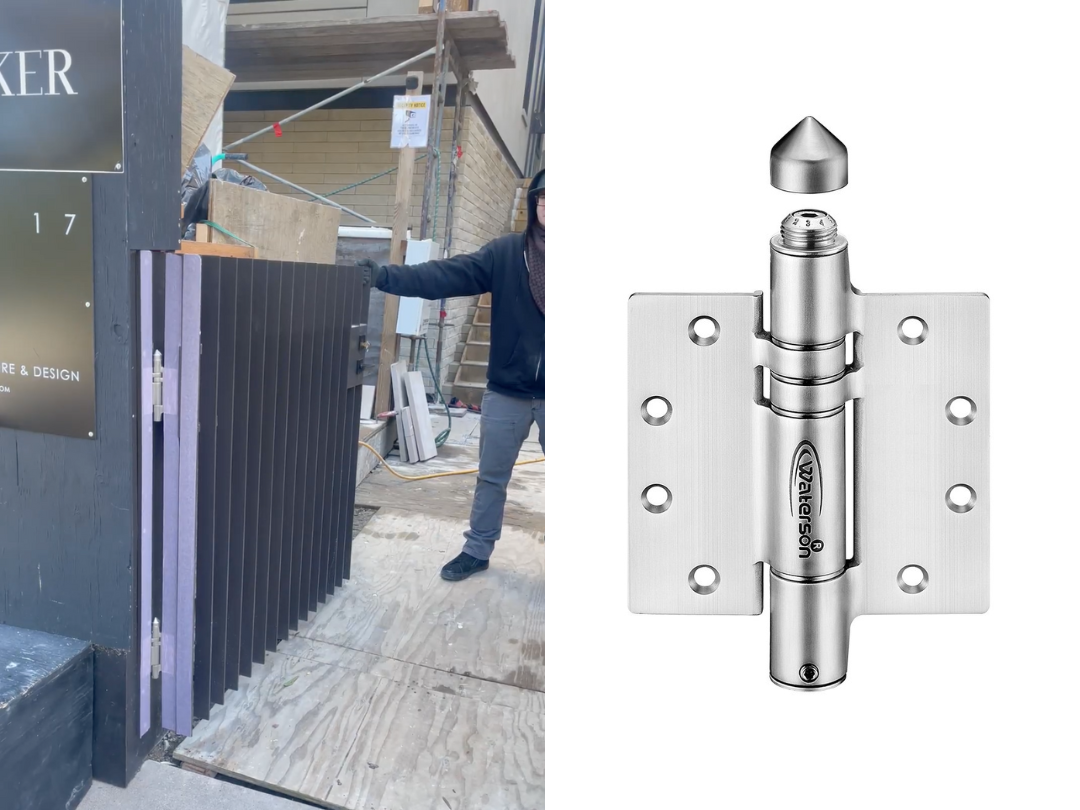
When winter comes, temperatures drop, and outdoor fence gates start to behave differently. Wood absorbs moisture and swells, metal contracts slightly, and hardware components shift [...]
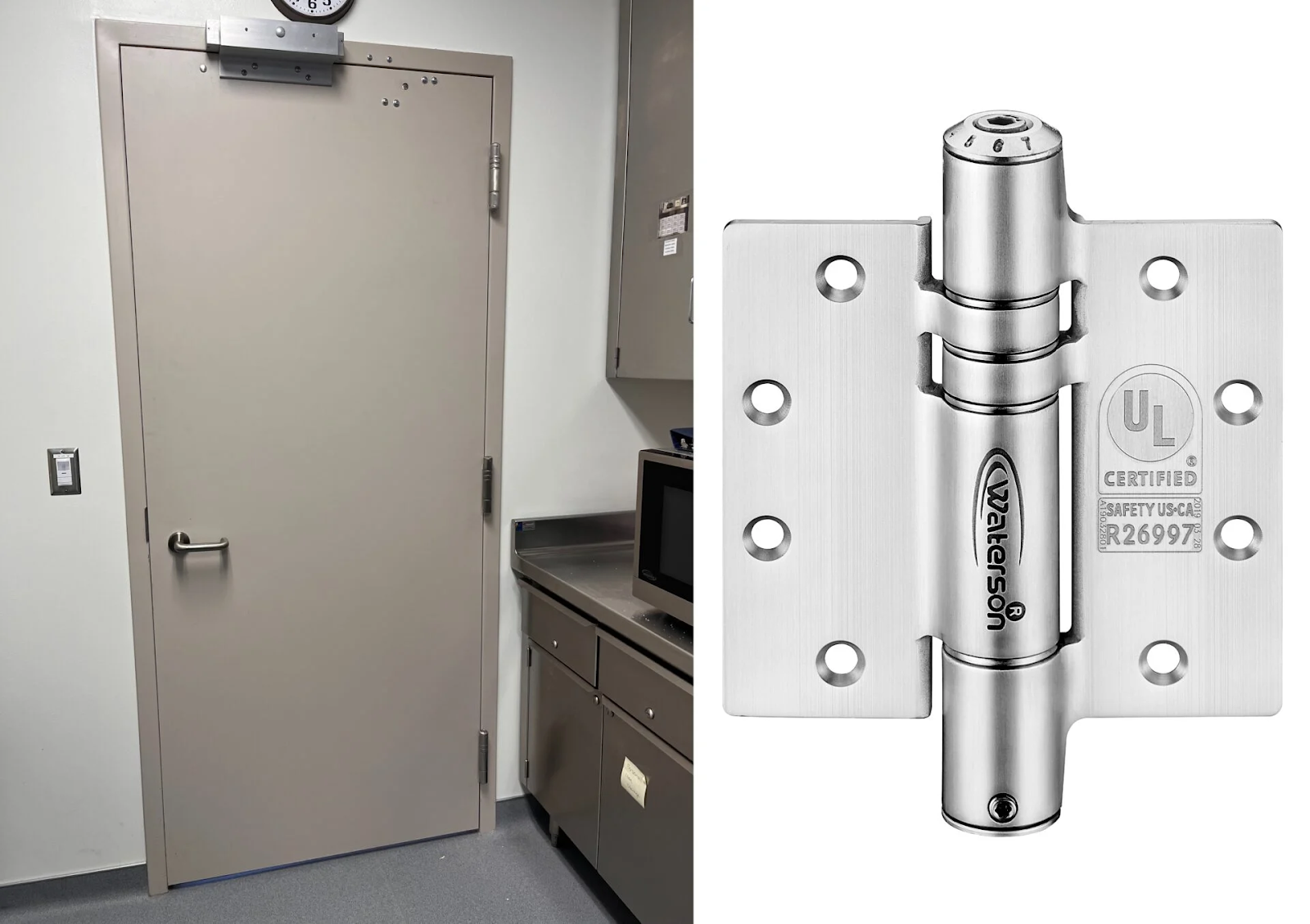
Most commercial self-closing hinges still adopt either spring or hydraulic damper for [...]
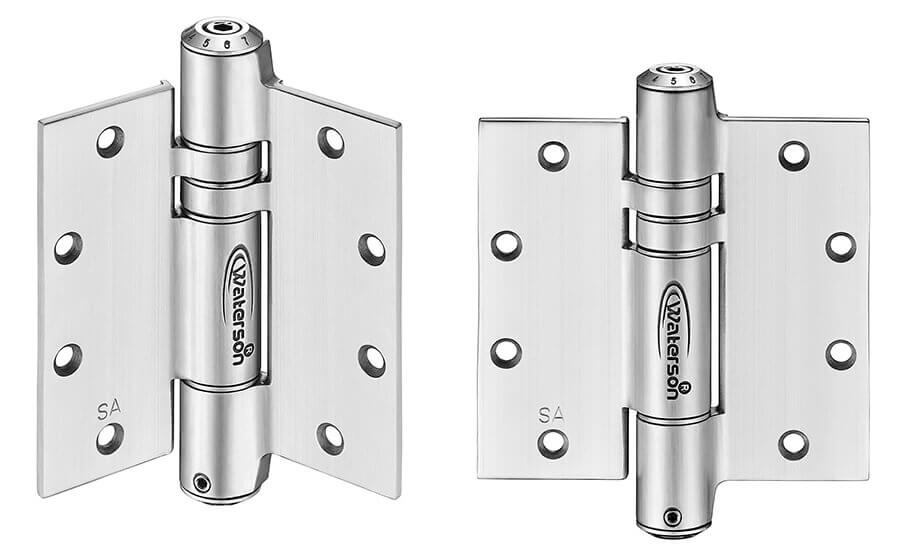
Whether you're taking down a door for painting, fixing a squeak, or clearing space for a large piece of furniture, removing the hinge pins is [...]