Understand Fire Rated Door Applications and Standards for Safety
In July 2022, the New York Times reported that a tragic fire in a Bronx apartment spread rapidly due to an open door. According to [...]


In July 2022, the New York Times reported that a tragic fire in a Bronx apartment spread rapidly due to an open door. According to [...]
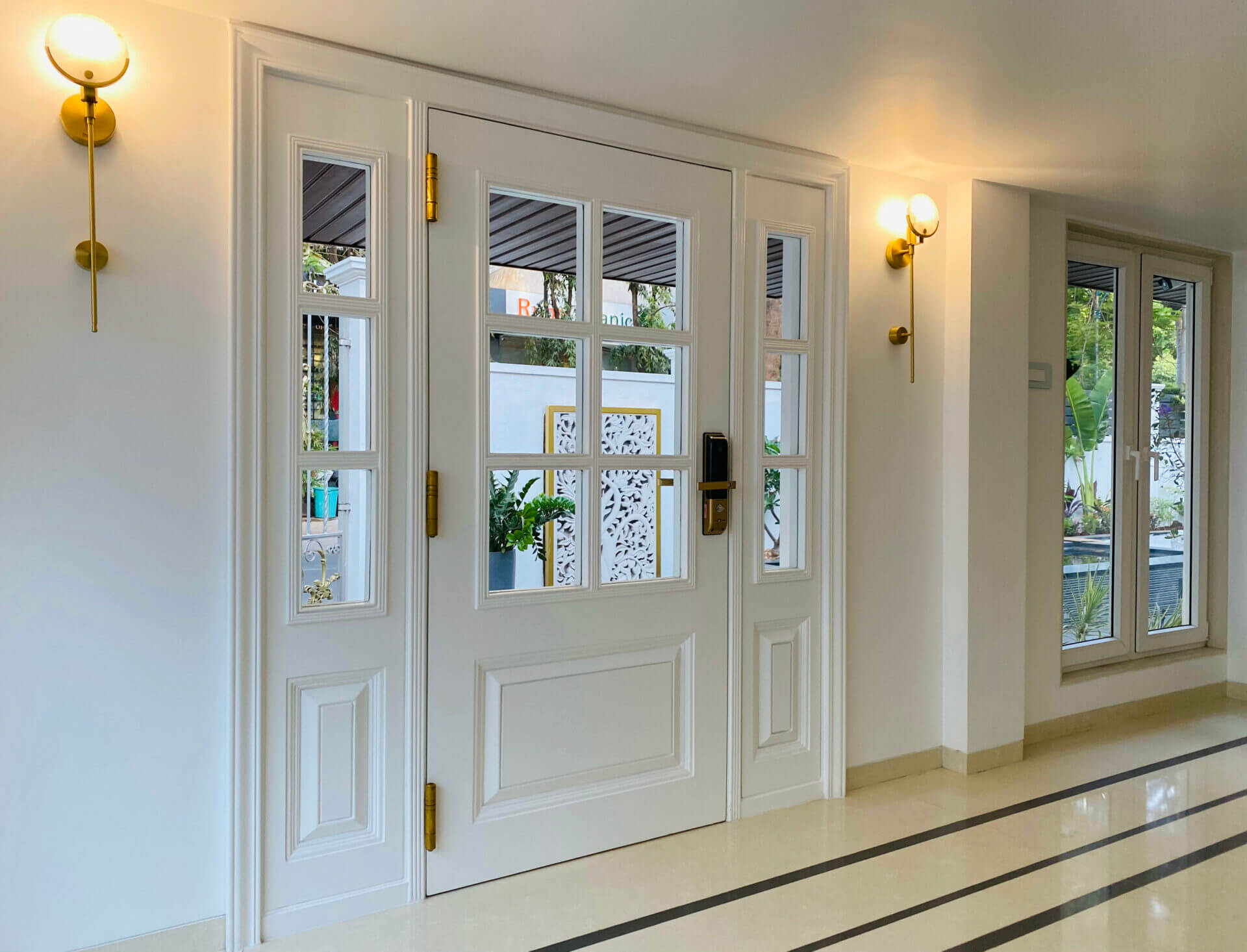
Quick Answer Gold door hinges bring a satin brass finish that suits vintage, antique, and arch doors while still delivering heavy duty stainless steel performance. [...]

Black gate hinges are more than just functional components; they are a style statement for homes and businesses alike. These hinges not only provide essential [...]

Quick Answer Spring piano hinges work well for light to medium doors (up to ~60 lbs for a 24" hinge), but struggle with heavy, high-traffic, [...]

Quick Answer If your screen door slams or is hard to open, start by tightening the flat head screw on the hydraulic cylinder to slow [...]
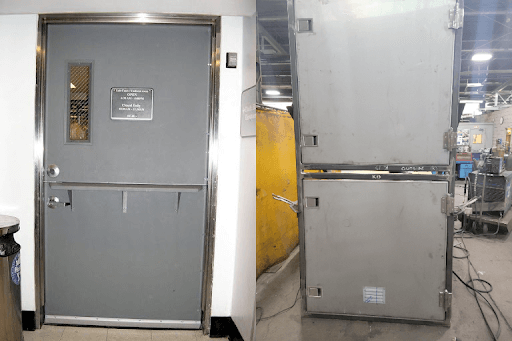
Quick Answer Waterson sells hinges only, not doors. If you need a Dutch door, please contact a local door supplier. Metal Dutch doors are preferred [...]
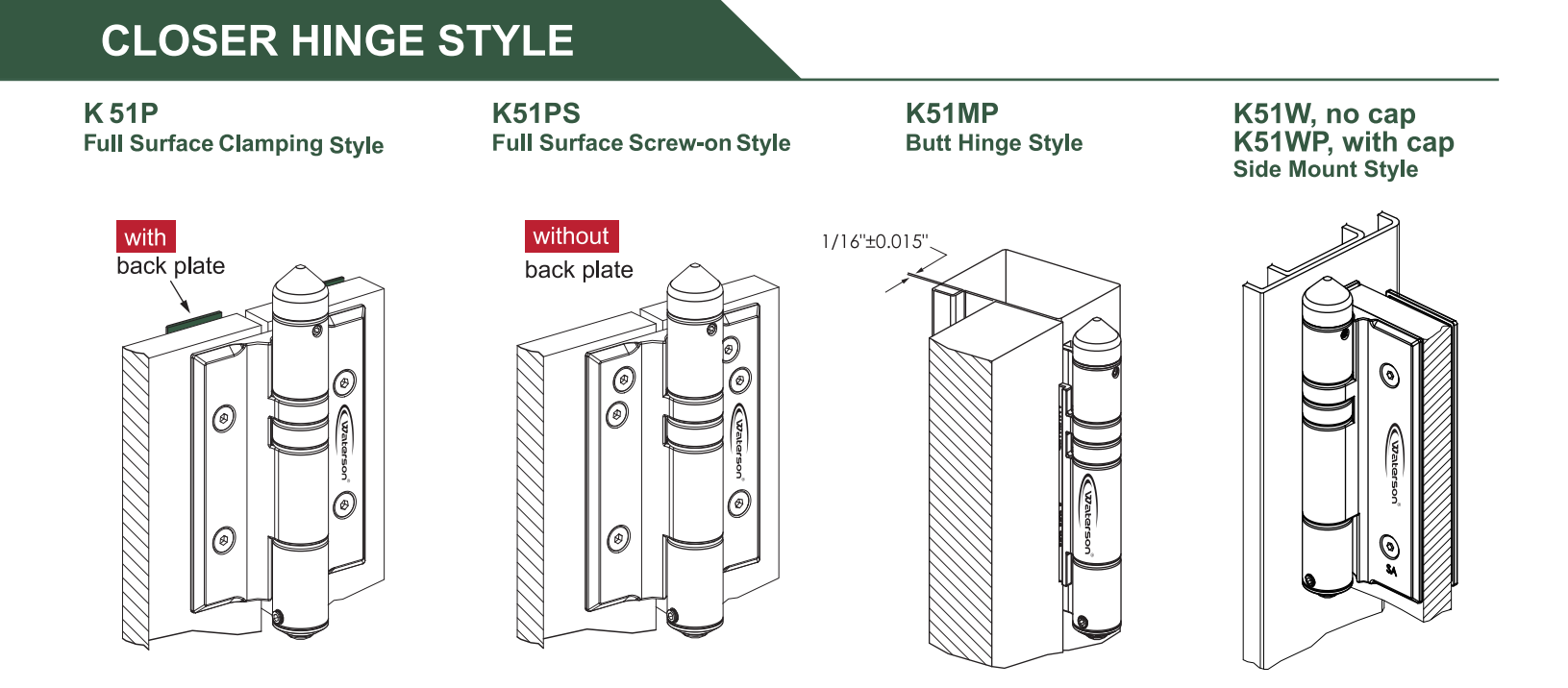
Quick Answer Heavy duty gate hinges come in three main styles: half surface hinges, best for half doors up to 150lbs with ADA compliant vertical [...]
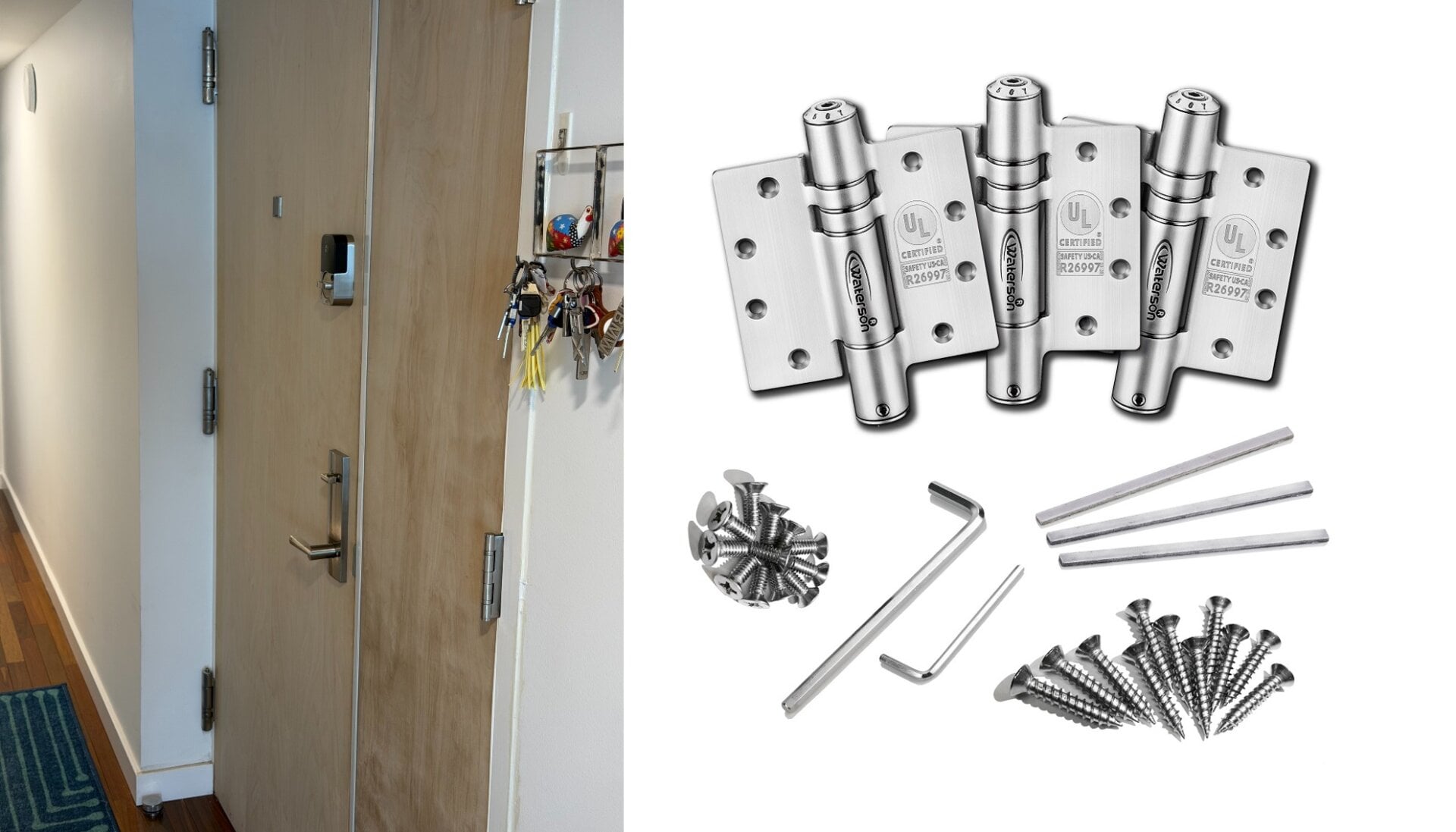
Most people never think about their door hinges until something goes wrong. The door starts squeaking. It drags on the floor. It swings too fast [...]

Quick Answer Fire rating classifications measure two different things: fire resistance rating (ASTM E119), which shows how long an assembly like a door can withstand [...]
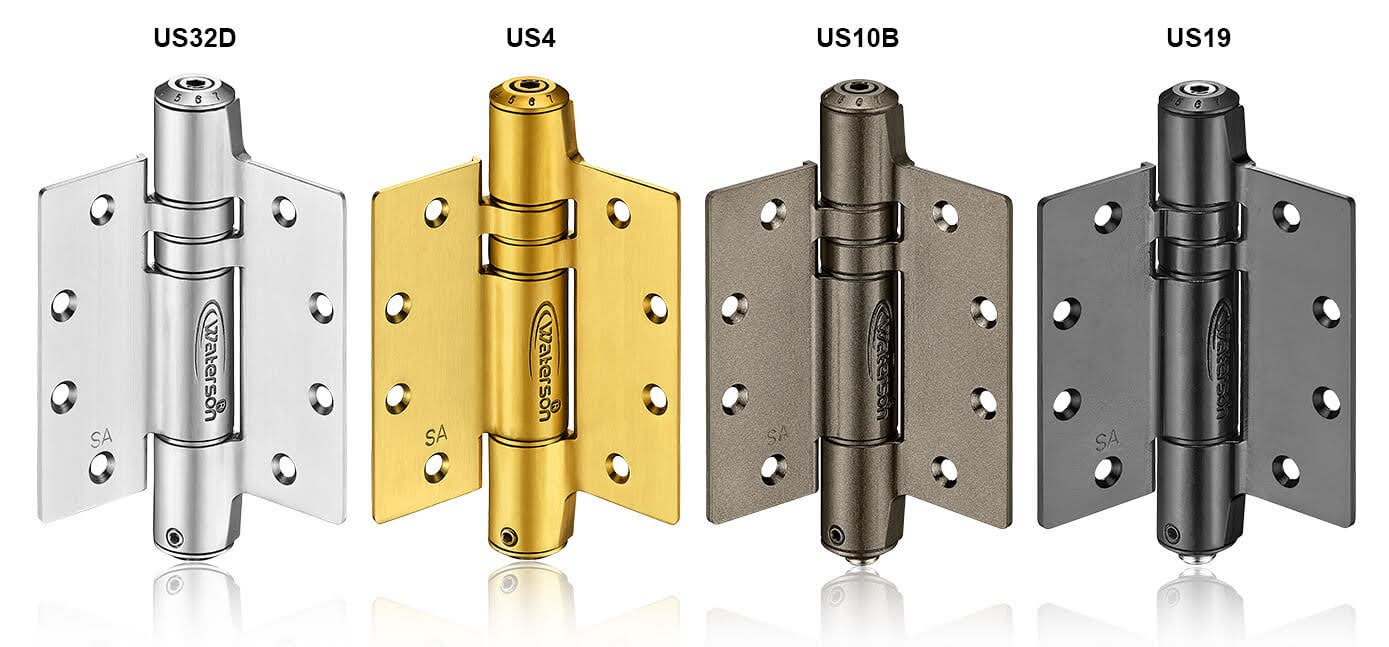
Most commercial self-closing hinges still adopt either spring or hydraulic damper for [...]