NFPA 80 Residential Fire Door Requirements: 13 Point Inspection Checklist
Quick Answer NFPA 80 is the standard that defines minimum requirements for fire door installation, inspection, and maintenance in buildings. It requires fire doors to [...]

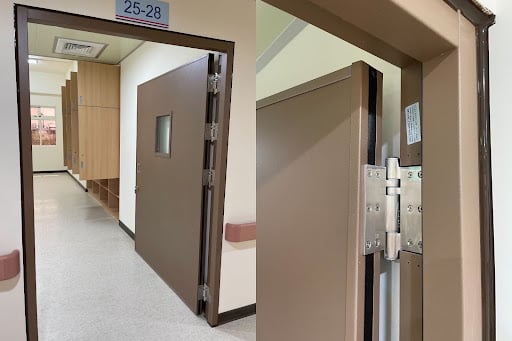
Quick Answer NFPA 80 is the standard that defines minimum requirements for fire door installation, inspection, and maintenance in buildings. It requires fire doors to [...]
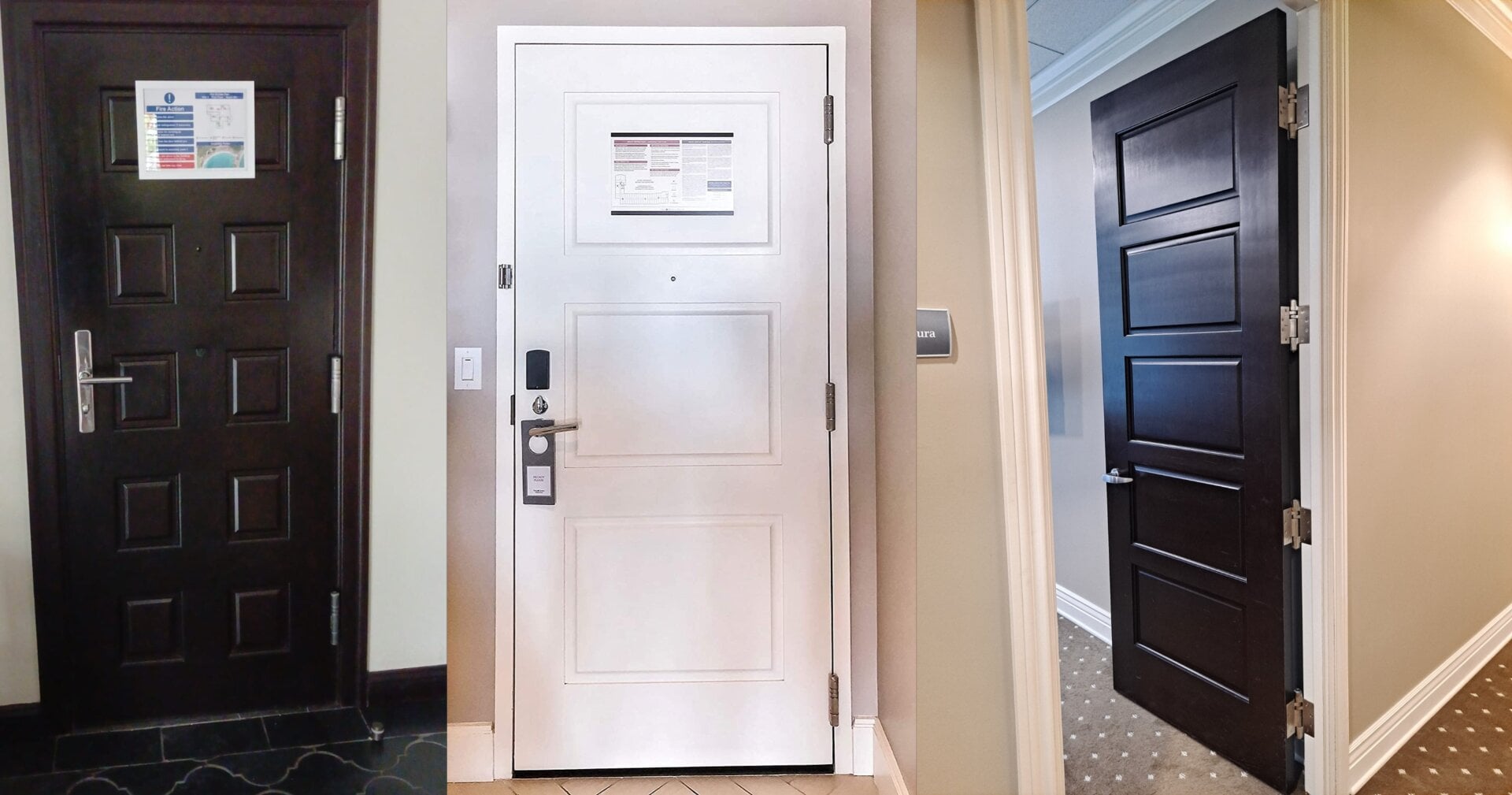
Quick Answer Specifying self-closing door hinges forces architects to juggle five competing demands at once: ADA opening-force limits, fire-rated latching requirements, the torque load of [...]

Quick Answer ADA fitting room requirements call for accessible bench height, adequate clear floor space, and doors that operate with under 5 lbs of force [...]

Quick Answer Removable pin hinges commonly suffer from looseness, squeaking, and premature wear caused by inadequate material strength, poor weight distribution, or hinges not rated [...]

Quick Answer Garage doors slam in the wind because pressure differences from open patio doors or windows apply force across the full door surface, which [...]
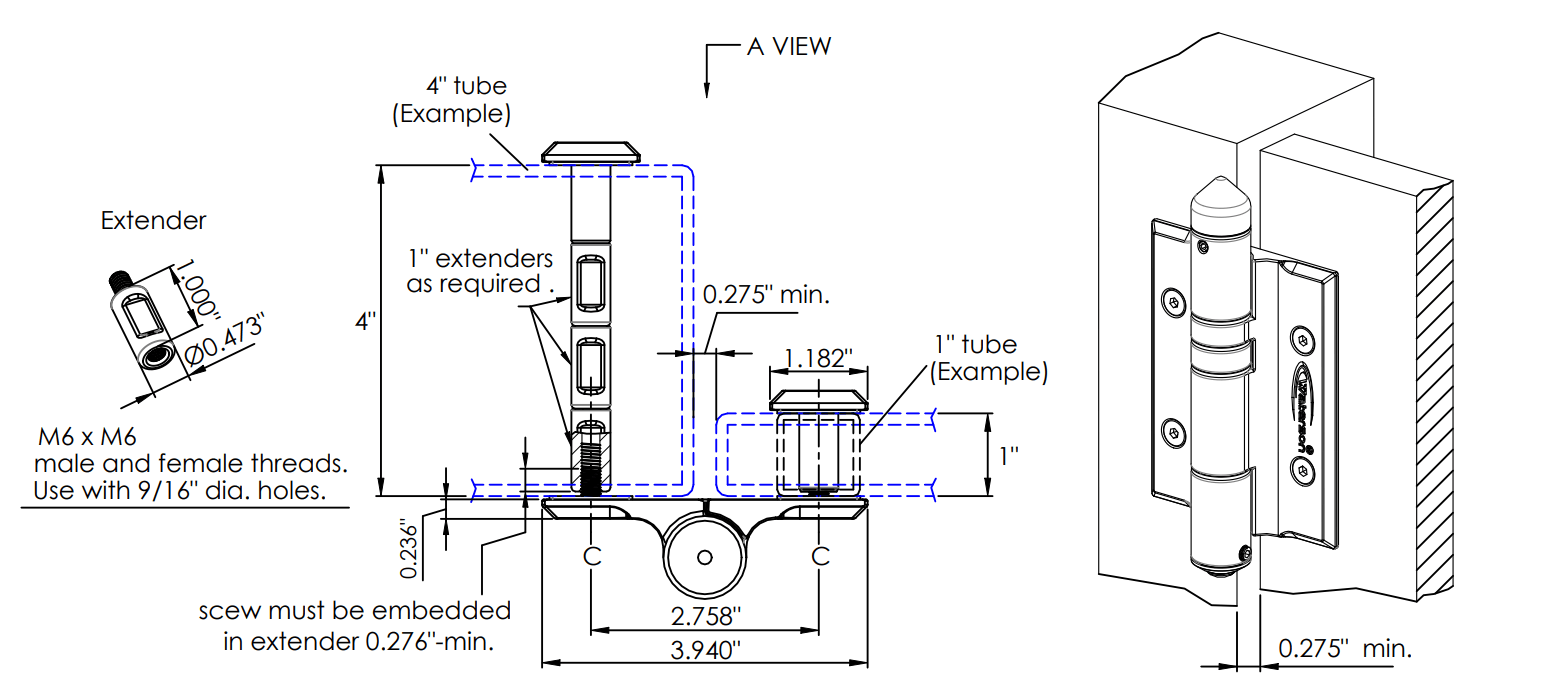
Quick Answer Pool gate hinges are installed by setting the middle hinge with no mechanism, zeroing both top and bottom mechanism hinges, then setting baseline [...]

Quick Answer Storm door spring hinges control how smoothly and quietly the door closes, which matters since storm doors face frequent wind and weather exposure. [...]
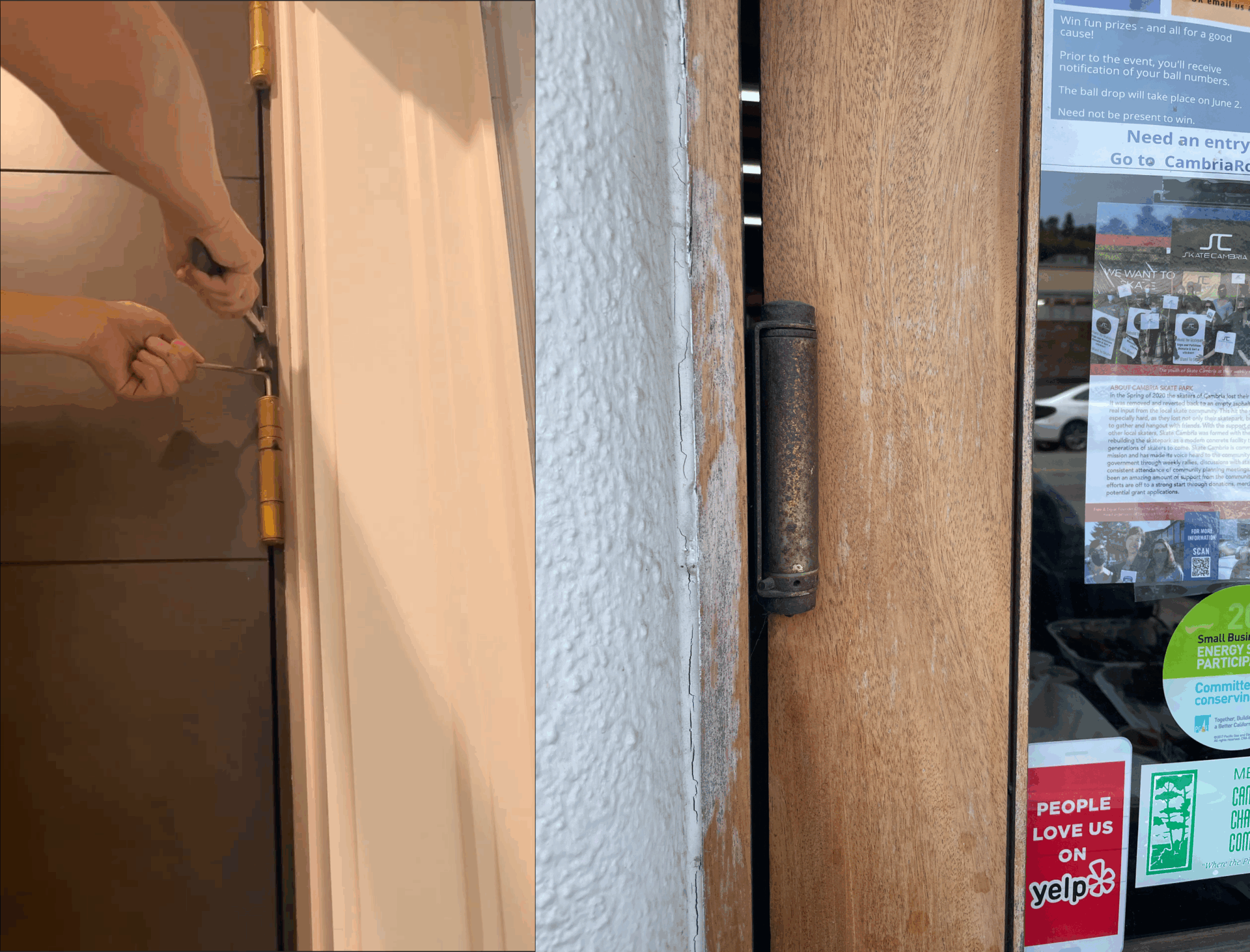
Quick Answer Squeaky door hinges are most commonly caused by lack of lubrication, friction from dust or corrosion, over-tensioned springs, or a hinge rated below [...]
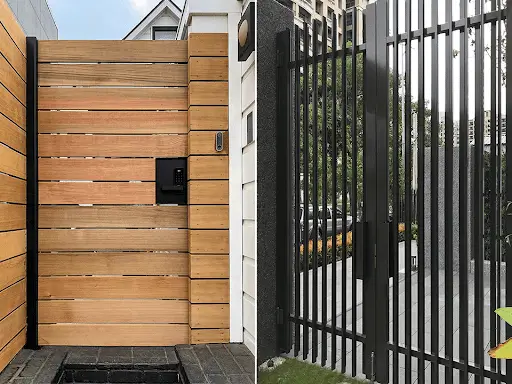
Quick Answer Heavy duty stainless steel swing gate hinges are the best choice for gates that need to handle frequent use and outdoor exposure without [...]

Quick Answer Traditional door stops pose a child safety risk because their rubber covers can be pulled off and become a choking hazard, and wall [...]