Spring Hinges vs Door Closers: Pros, Cons & Cost Compared
Quick Answer Spring hinges mount on the door edge like regular hinges, cost less, and stay invisible, but basic models can slam the door. Overhead [...]


Quick Answer Spring hinges mount on the door edge like regular hinges, cost less, and stay invisible, but basic models can slam the door. Overhead [...]
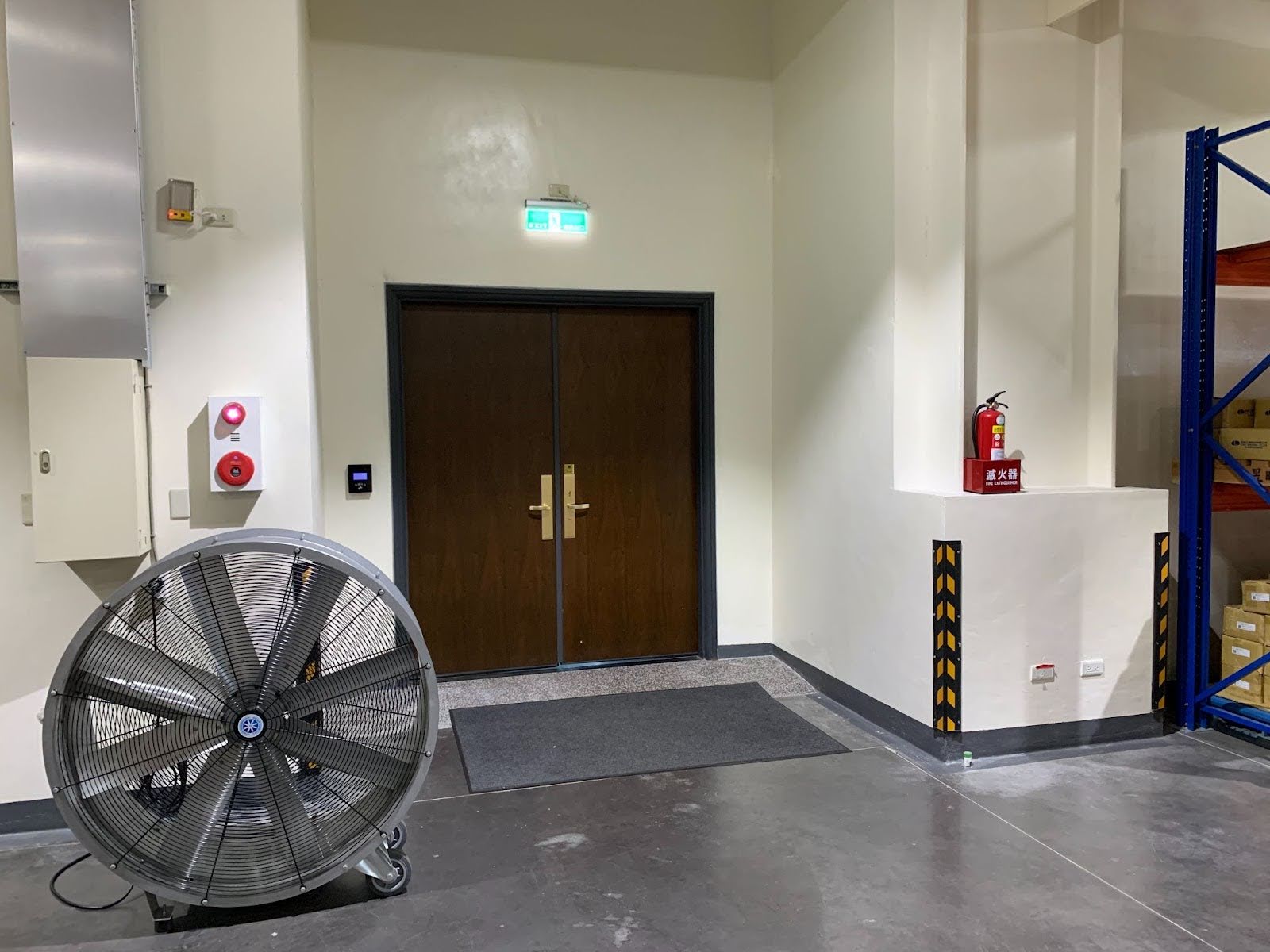
Every AEC professional eventually meets the same question on a tight jobsite: “What if the door swing clearance doesn’t meet ADA requirements—because the wall, frame, [...]
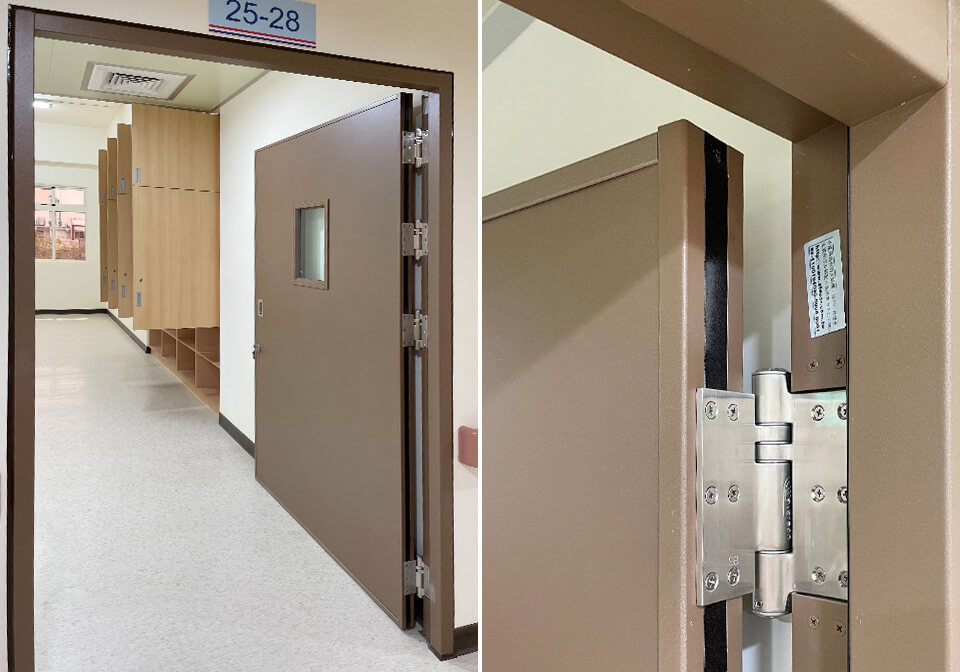
A fire door in a hospital corridor should answer to five authorities, not just one. The fire marshal wants positive latching every time. The ADA [...]

Quick Answer Swing door hinges are ideal for counter and half door applications in courtrooms, banks, factories, and playgrounds, where standard spring hinges close too [...]

Quick Answer A backcheck is a hydraulic function that slows a door's swing when opened too forcefully, engaging around 70 to 90 degrees to prevent [...]

Quick Answer A door that won't close flush is usually caused by loose hinge screws, a misaligned strike plate, swollen wood, or in high-rise buildings, [...]

Quick Answer A 90-degree stop hinge limits a door's swing to a right angle so it cannot hit walls, equipment, or people in an adjacent [...]
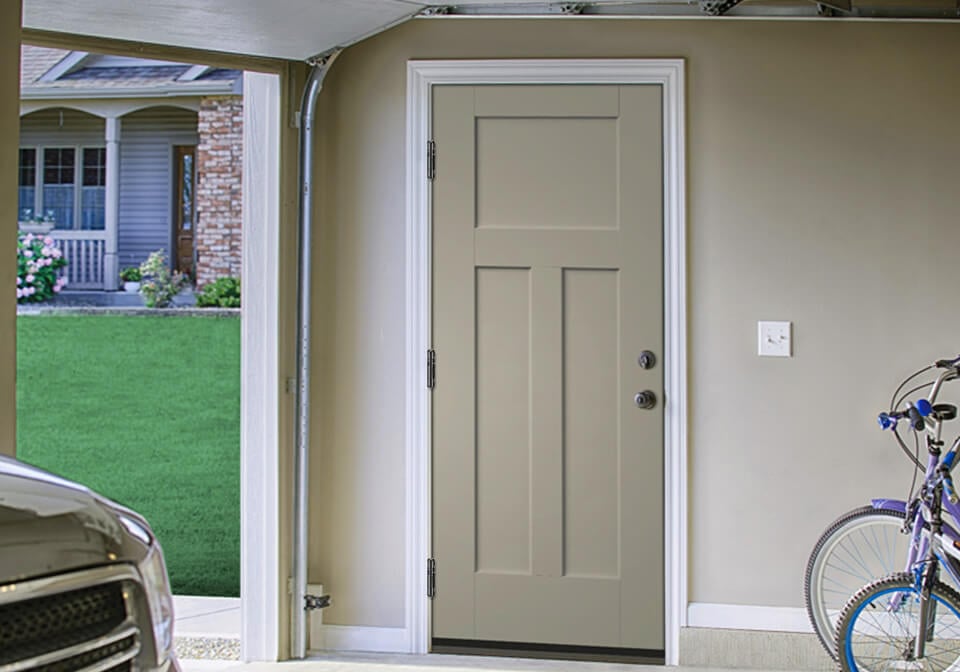
Quick Answer Yes, garage-to-house doors are required to be self-closing in most jurisdictions under NFPA 80, as they serve as a fire barrier between the [...]
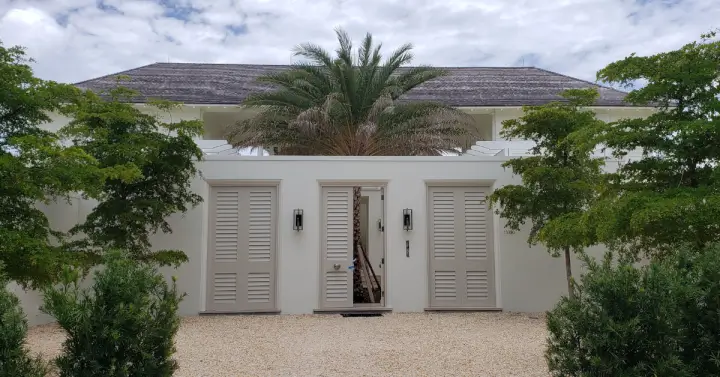
Quick Answer Outdoor hydraulic door closers commonly fail due to oil leakage, rust, and internal wear caused by prolonged exposure to humidity, temperature swings, and [...]
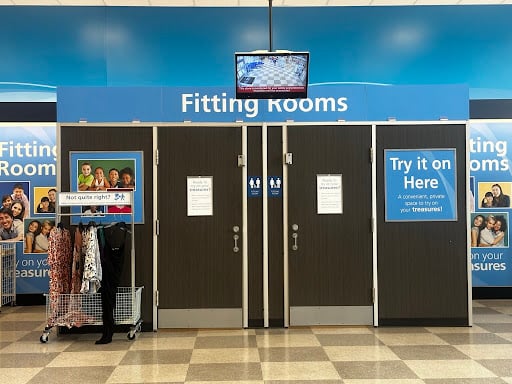
Quick Answer ADA fitting room requirements call for accessible bench height, adequate clear floor space, and doors that operate with under 5 lbs of force [...]