ADA Compliant Door Hinges: What the 5 lb Rule Actually Means for Your Door
Quick Answer The ADA 5 lb rule means a door must open with 5 lbs of force or less, while still closing in at least [...]


Quick Answer The ADA 5 lb rule means a door must open with 5 lbs of force or less, while still closing in at least [...]
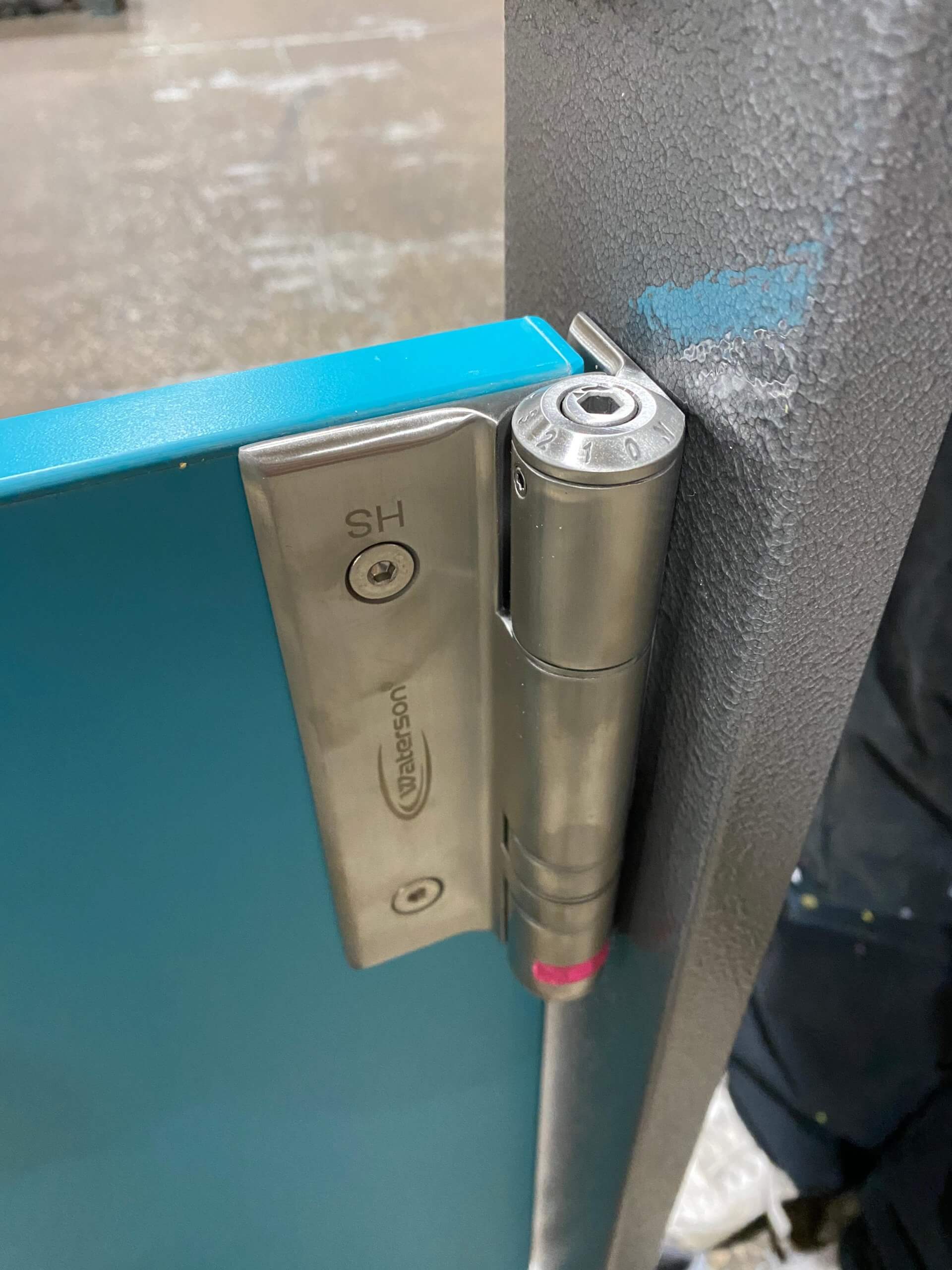
Quick Answer A 90-degree stop hinge limits a door's swing to a right angle so it cannot hit walls, equipment, or people in an adjacent [...]
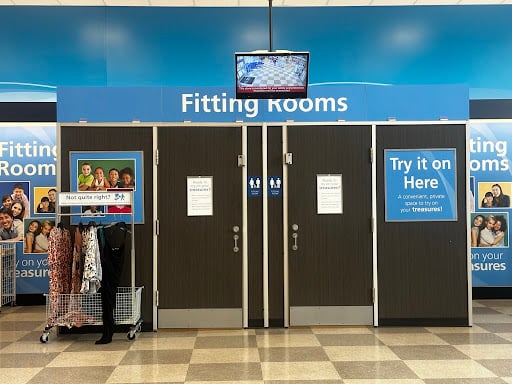
Quick Answer ADA fitting room requirements call for accessible bench height, adequate clear floor space, and doors that operate with under 5 lbs of force [...]
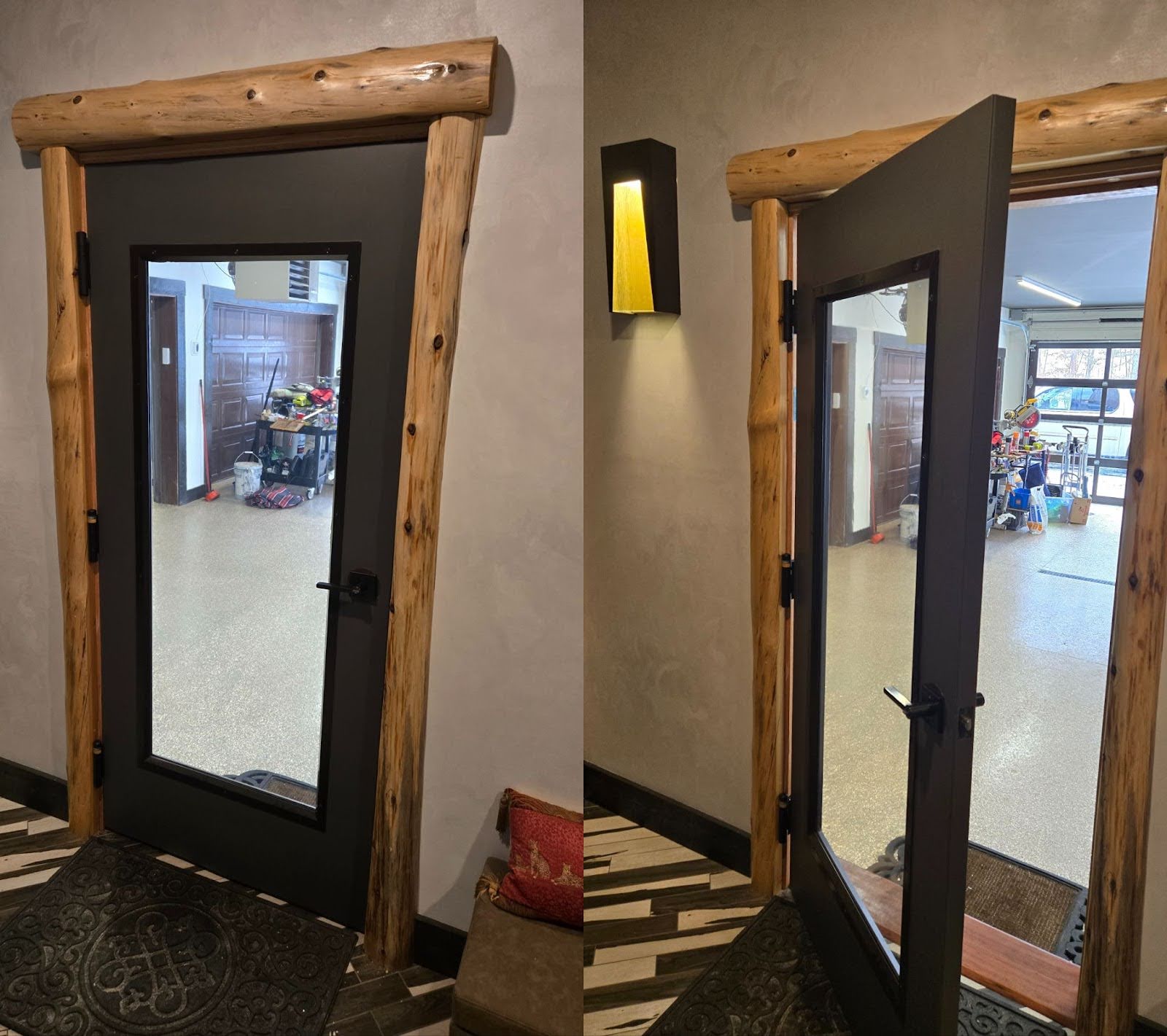
Quick Answer Garage doors slam in the wind because pressure differences from open patio doors or windows apply force across the full door surface, which [...]
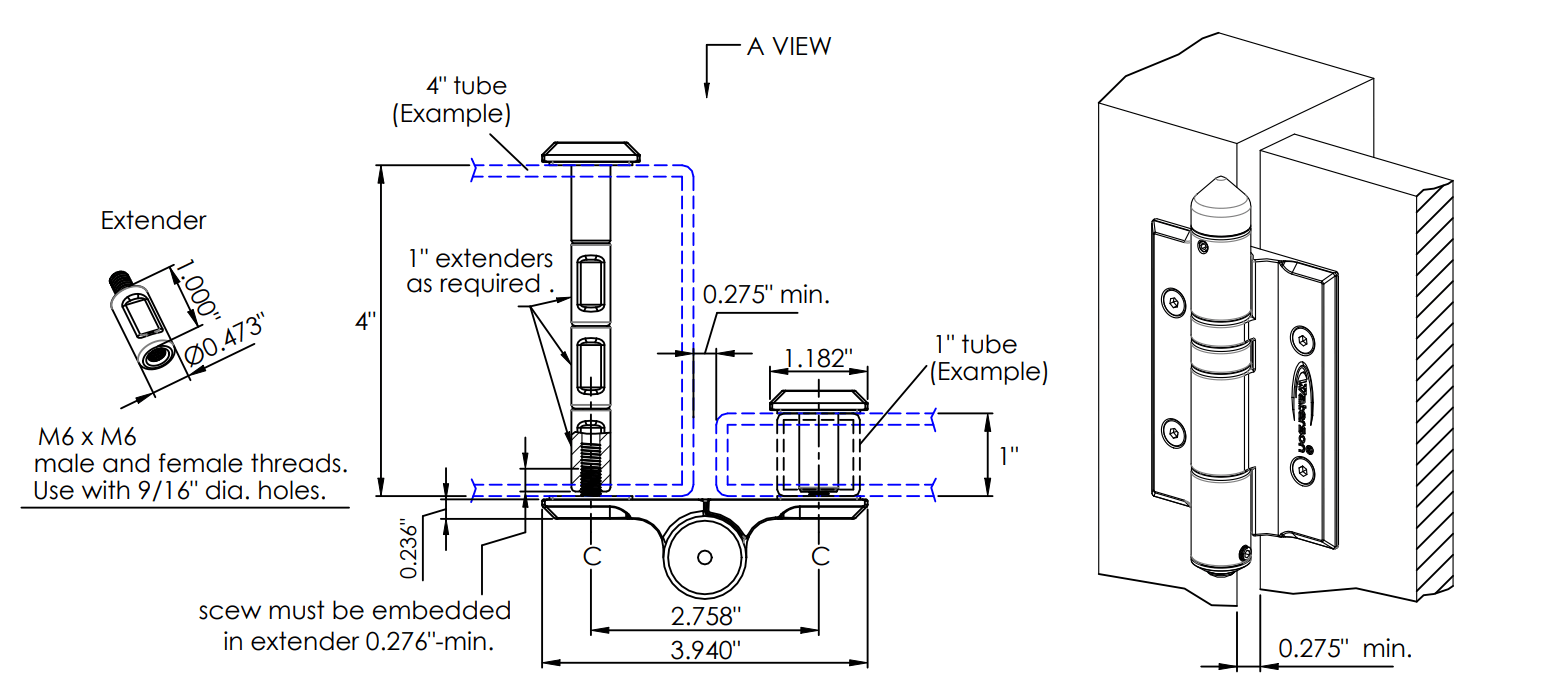
Quick Answer Pool gate hinges are installed by setting the middle hinge with no mechanism, zeroing both top and bottom mechanism hinges, then setting baseline [...]
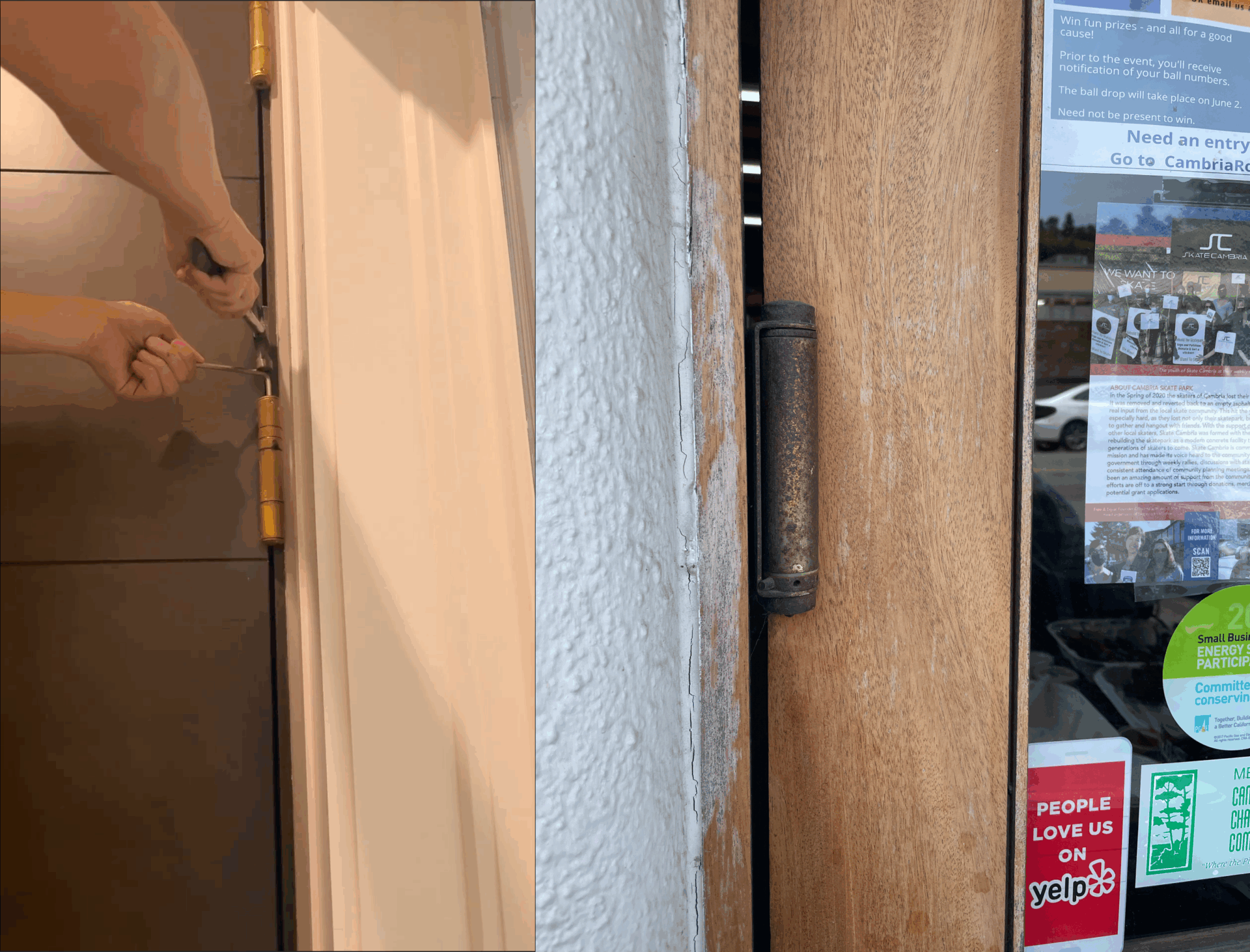
Quick Answer Squeaky door hinges are most commonly caused by lack of lubrication, friction from dust or corrosion, over-tensioned springs, or a hinge rated below [...]
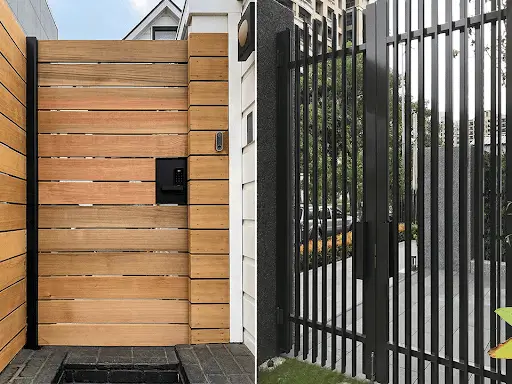
Quick Answer Heavy duty stainless steel swing gate hinges are the best choice for gates that need to handle frequent use and outdoor exposure without [...]

Your gate gets used every single day. It swings open when you leave for work, closes behind your kids running to the backyard, and stays [...]

Most homeowners invest considerable thought into paint colors, flooring materials, and furniture styles when refreshing a living space. Hardware details, however, are often treated as [...]
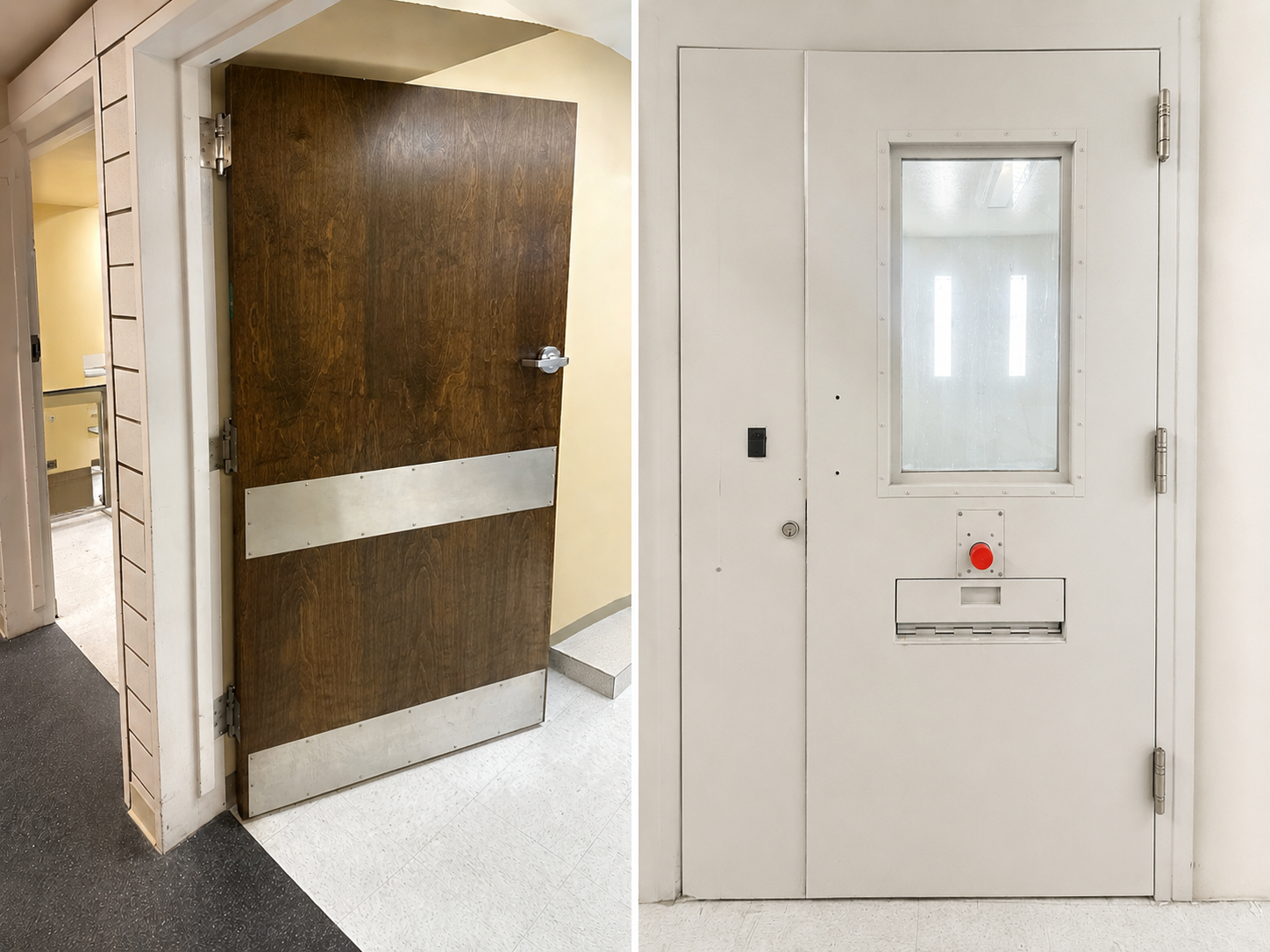
Spring hinges are specified for stairwell corridors, high-traffic commercial openings, and applications where an overhead closer is not an option for clearance, aesthetics, or installation [...]