
Switching from standard door hinges to Waterson self-closing fire door hinges sounds straightforward. But as one installer found out, there’s one thing most guides don’t warn you about, and it almost stopped the job in its tracks
“My project was replacing the hinges on the fire door leading into my garage. The only installation issue I faced was the wood casing around the door was thicker than most other casings and needed to have a relief routed to accommodate the larger diameter of the new hinges. The directions were clear and adjusting hinges was a breeze. The door no longer slams and I expect a longer life for the lock set.”

That quote says it all. The install went well, except for one physical mismatch between the Waterson hinge barrel and the door’s wood casing. This guide walks through the full process, that exact problem, how to fix it, and why Waterson is the right call for a garage fire door in the first place.
How to Install Waterson Fire Door Hinges When Replacing Garage Door Hardware?
Waterson door hinge installation follows a logical sequence. Our video walkthrough covers the step-by-step guidelines clearly. Here’s the condensed version
- Remove old hinges one at a time. Support the door so it doesn’t drop or bind as each hinge comes off. Never remove all hinges at once.
- Test-fit the new hinge in the existing mortise. The leaf should sit flat and flush. If the mortise is too shallow, chisel it slightly deeper before fastening.
- Fasten the frame-side leaf first using the provided screws. Any gap here will cause the door to bind or pull over time. Flush is non-negotiable.
- Hang the door, then fasten the door-side leaf. Complete one hinge fully before moving to the next. Don’t leave the door hanging on partial hardware.
- Adjust closing and latching speed using the two hex sockets on the barrel. The larger socket controls closing speed, the smaller controls the final latch. Test and tweak until the door swings and closes smoothly
What Happens When Your Wood Casing Is Thicker Than Standard?
Waterson hinges have a slightly larger barrel than standard hinges (4 inches above), because the entire spring-closer mechanism lives inside them. In homes with thicker-than-standard wood casings around the door frame, that extra diameter becomes a small trouble.
“The wood casing around the door was thicker than most other casings and needed to have a relief routed to accommodate the larger diameter of the new hinges.”
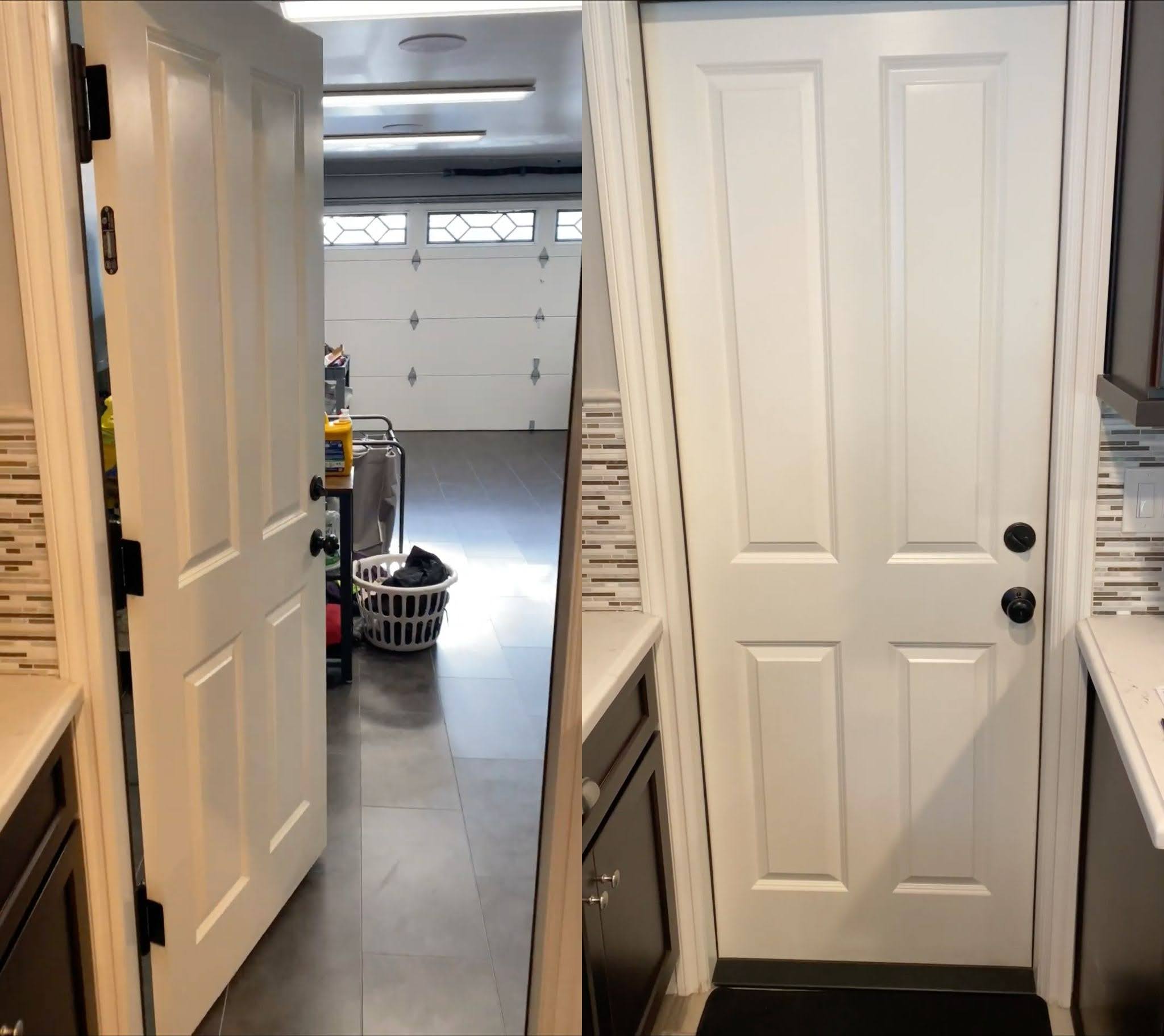
As our customer shared, his wood casing was thicker than typical. When the new Waterson hinge was positioned, the barrel protruded into the casing rather than clearing it. The hinge couldn’t seat properly and the door bound against the trim when opened.
Can You Fix a Casing Clearance Issue Without Replacing the Trim?
Yes. Using a router, cut a shallow, curved pocket (called a relief) into the back face of the wood casing, just enough for the hinge barrel to clear it without contact. This is a standard woodworking technique that takes only a few minutes with the right bit.
- Use a roundover or core-box bit matched to the barrel diameter. Hold the hinge in position and trace the contact zone before routing.
- Rout only as deep as needed. The goal is clearance, not a gap. The barrel should just clear the wood surface.
- You can rout in place or remove the casing, rout on a workbench, and reinstall. Both approaches work equally well.
What Does the Door Actually Feel Like Once Everything Is Properly Fitted?
Once the relief was cut and the hinges seated properly, the door performed exactly as designed.
Self-closes
Every time, no exceptions. The fire barrier is always maintained.
No slamming
Controlled closing speed, soft latch. Quiet and consistent.
Longer lock life
Less impact on the strike plate means the lock set lasts longer.
That last point matters more than it sounds. Every time a door slams, the latch bolt hammers the strike plate. Over months and years, that impact wears out the lock set prematurely. A controlled close isn’t just quieter; it’s protecting every other piece of hardware on the door.
Is Waterson Actually the Right Hinge for a Garage Fire Door, or Is a Standard Closer Good Enough?
Waterson’s self-closing hinge does something no standard hinge can: it eliminates the need for a separate door closer while meeting fire door code requirements. Here’s what it delivers and how it stacks up against the two most common alternatives.
| Feature | Standard hinge | Door closer + standard hinge | Waterson self-closing hinge |
|---|---|---|---|
| Fire rated | No | Depends on hinge choice | Yes, UL listed |
| Self-closing | No | Yes (via separate closer) | Yes, built in |
| Adjustable speed | No | Yes | Yes, closing + latching |
| Installation complexity | Simple | Complex (2 components) | Simple (1 component) |
| Exposed hardware | Minimal | Arm + rail visible overhead | Minimal, all inside barrel |
| Door slamming | Common | Reduced (if tuned) | Eliminated |
| Lock set wear | High (impact on latch) | Moderate | Low, soft controlled close |
| Suitable for garage fire door | No, not code compliant | Partially, depends on spec | Yes, purpose-built for it |
For most residential garage fire doors, three hinges is the standard. Here’s the general rule:
- Doors up to 60 inches tall: two hinges minimum, though three is recommended for fire doors given the weight of a solid-core construction
- Doors 60 to 90 inches tall: three hinges
- Doors over 90 inches or unusually heavy: four hinges
When in doubt, go with three. The extra hinge distributes the door’s weight more evenly and reduces long-term sag on the frame.
The most common size for residential garage fire doors is 4 x 4 inches, which fits the majority of standard solid-core door setups. However, the right size depends on a few factors:
- Door thickness: thicker doors (1-3/4 inch or more) may require a wider throw to clear the frame properly
- Door weight: heavier doors benefit from a larger hinge with a higher weight rating
- Existing mortise size: if you’re replacing old hinges, matching the mortise dimensions saves you from having to recut
Check Waterson’s sizing guide or measure your existing hinge leaf before ordering to make sure you get the right fit the first time.
Yes. Waterson offers several finish options so the hardware can match your door’s existing trim and hardware. Common available finishes include:
- Satin stainless steel
- Oil-rubbed bronze
- Matte black
- Brushed nickel
For garage fire doors, satin stainless is the most popular choice given its durability in varied temperature and humidity conditions. Check Waterson’s product page for current finish availability by model.
If the door is still slamming after you’ve adjusted the hex sockets, there are a few things to check before assuming the hinge is faulty:
- Latching speed vs. closing speed: these are two separate adjustments. If only the closing speed is tuned but the latching speed is left fast, the final snap will still feel like a slam
- Over-tightened spring tension: if the closing speed is wound too tight, the door builds too much momentum before the latching adjustment can slow it down. Back off the main spring slightly and re-test
- Hinge alignment: a door that’s slightly out of plumb puts uneven load on the hinge, which can make the close feel harder than it should. Check that all hinges are seated flush and the door hangs square
Work through the two adjustments in small increments, testing after each turn. Most slamming issues resolve within a few minutes of tuning.
Waterson hinges do have a hold-open feature on certain models, but you MUST NOT have the hold open on your fire garage door.
Even if the hinge supports it, holding your garage fire door open is not permitted under fire door safety codes. The entire purpose of a self-closing fire door is to keep the barrier between your garage and living space closed at all times.
Waterson Stainless Steel Self Closing Garage Fire Door Hinge
Waterson Self Closing Fire Door Hinges combine the function of an overhead closer and a hinge into a single, sleek component—complete with optional hold-open and door-stop features. Designed for commercial openings, gates, and glass doors, these hinges are easy to install and adjust to meet ADA and ICC A117.1 standards for opening force, while ensuring quiet and secure closure. Crafted from durable stainless steel, they are NFPA 80 compliant, UL 3-hour fire-rated, and built to perform reliably in both interior and all-weather exterior environments. See all our features.
In addition to these performance advantages, Waterson offers custom hinge services. As a direct manufacturer, we can tailor hinge sizes, finishes, and especially hinge leaf designs to meet the specific structural needs of your doors. This makes our hinges an ideal solution for door manufacturers seeking custom options that integrate seamlessly with their existing frames.
Request For Quote
Please note that Waterson Closer Hinges start from a size of 4″x4″. If you’re in need of smaller self-closing hinges, we’d recommend checking out some other resources! Also, we only provide single acting closer hinges. Thank you.
Recent Post
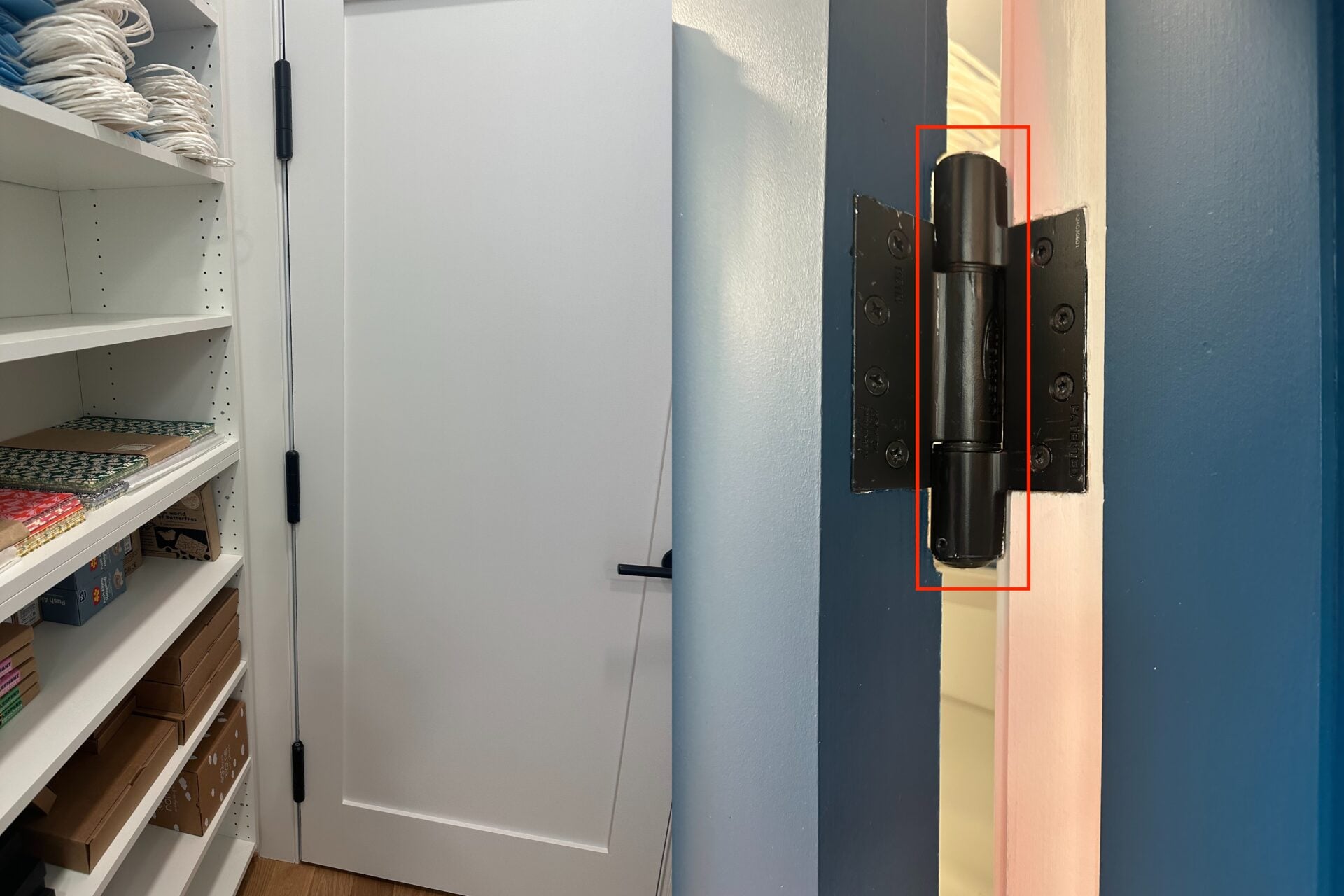
Is Your Door Gap Too Tight for Waterson Self Closing Hinge Barrel?
"I bought these to replace standard 4 inch hinges, which, when open are 4 inches wide x 4 high. The Waterson hinges are 4 5/16 [...]
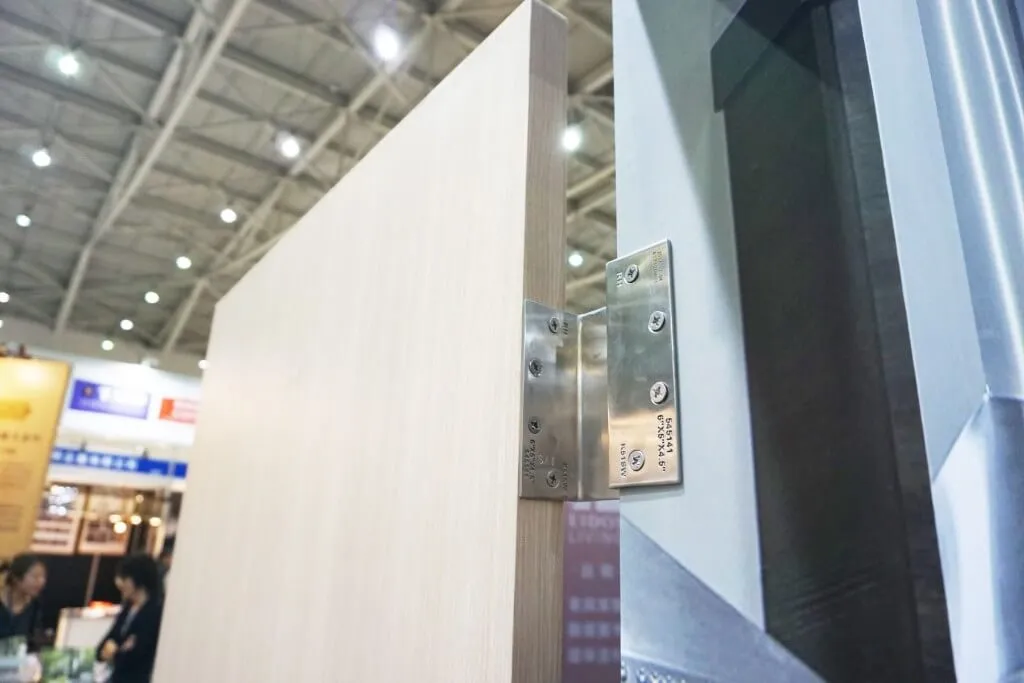
Can Waterson Right Hand Swing Clear Hinge Work on a Left Hand Door
"Hi Waterson Team, we received only right hand hinges for the off set hinges. Is there a way to make this work?" A swing clear [...]
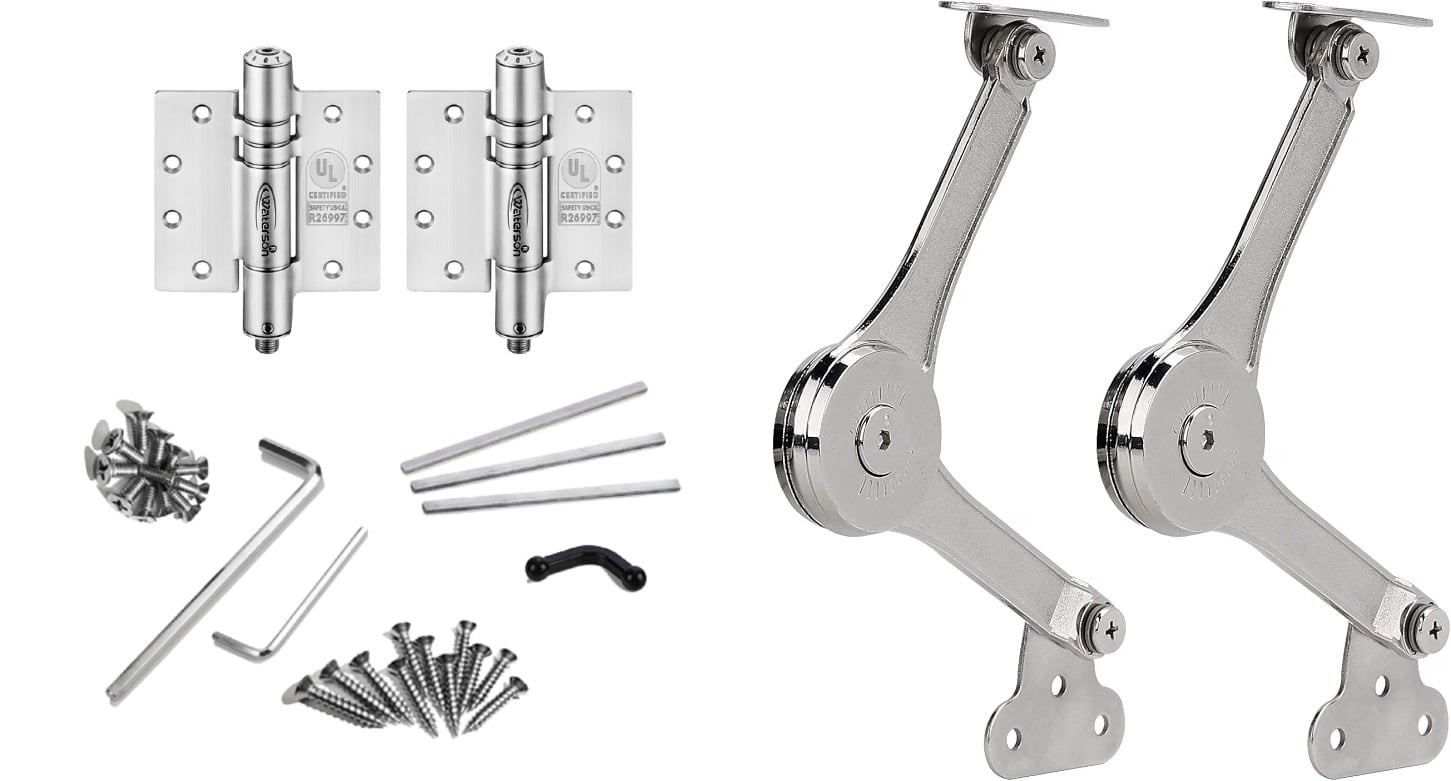
What Hinge to Choose When You Need a Lid to Pop Open and Stay Open
"Hi, I have a government defense application-- I am looking for a spring loaded hinge that wants to hold open. I have a hinged door [...]