ADA Beach Access Gate Hinges: Solving the Triple Compliance Problem
A coastal resort needs a pool gate that self-closes and self-latches (pool barrier code), opens easily for wheelchair users (ADA), and survives salt air without [...]

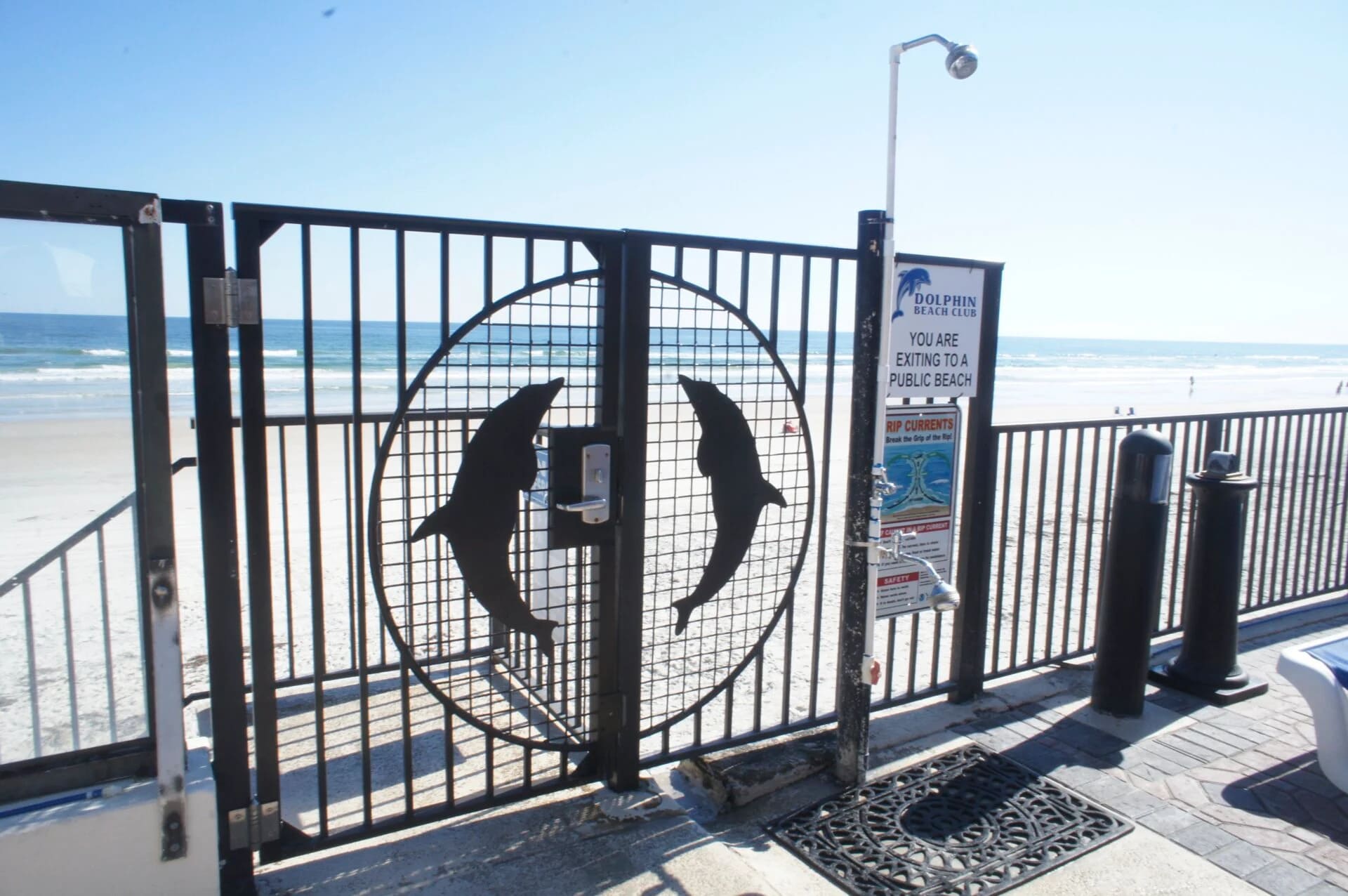
A coastal resort needs a pool gate that self-closes and self-latches (pool barrier code), opens easily for wheelchair users (ADA), and survives salt air without [...]
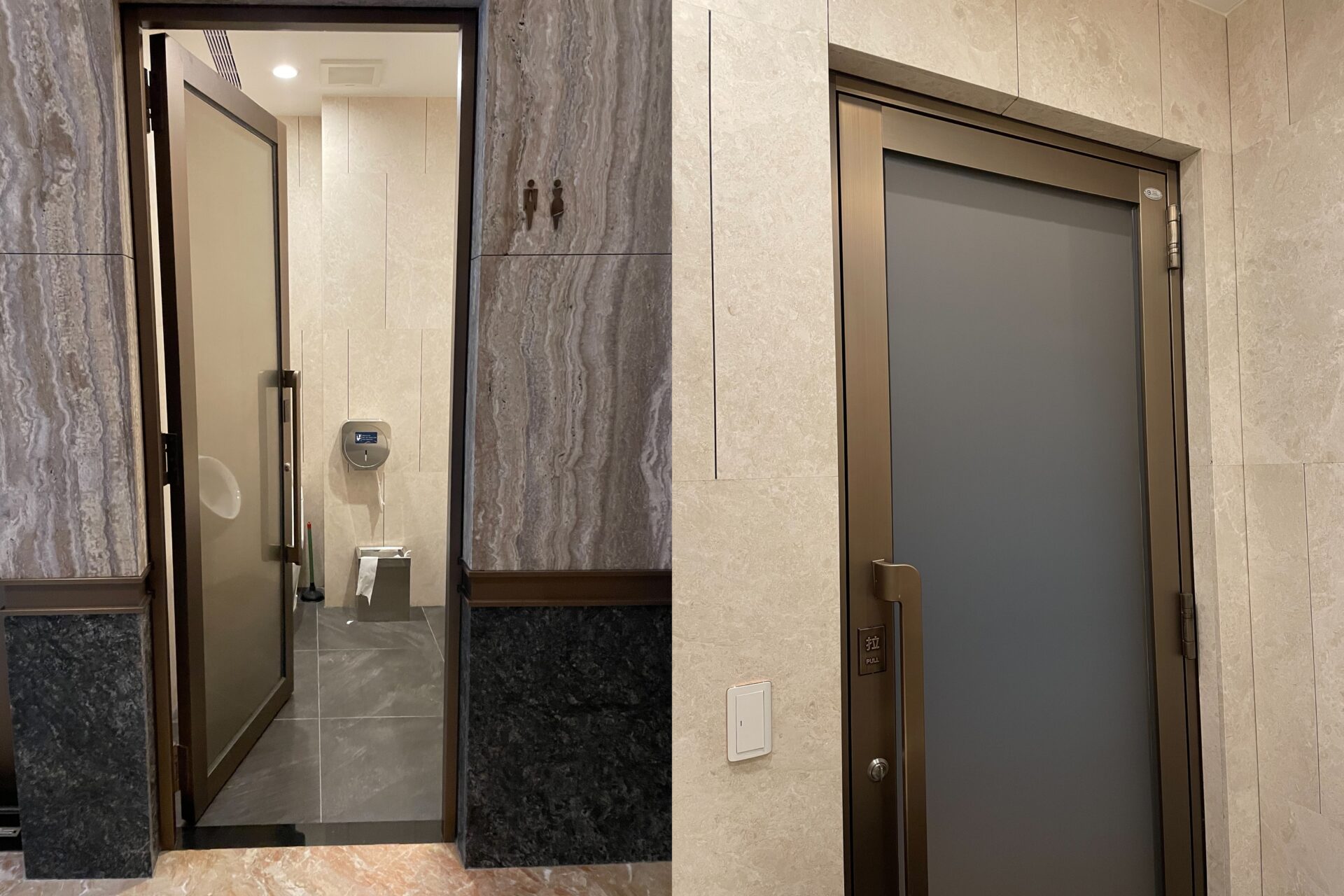
Quick Answer ADA bathroom doors fail most often because standard spring hinges use one shared tension for both opening and closing, so increasing closing torque [...]
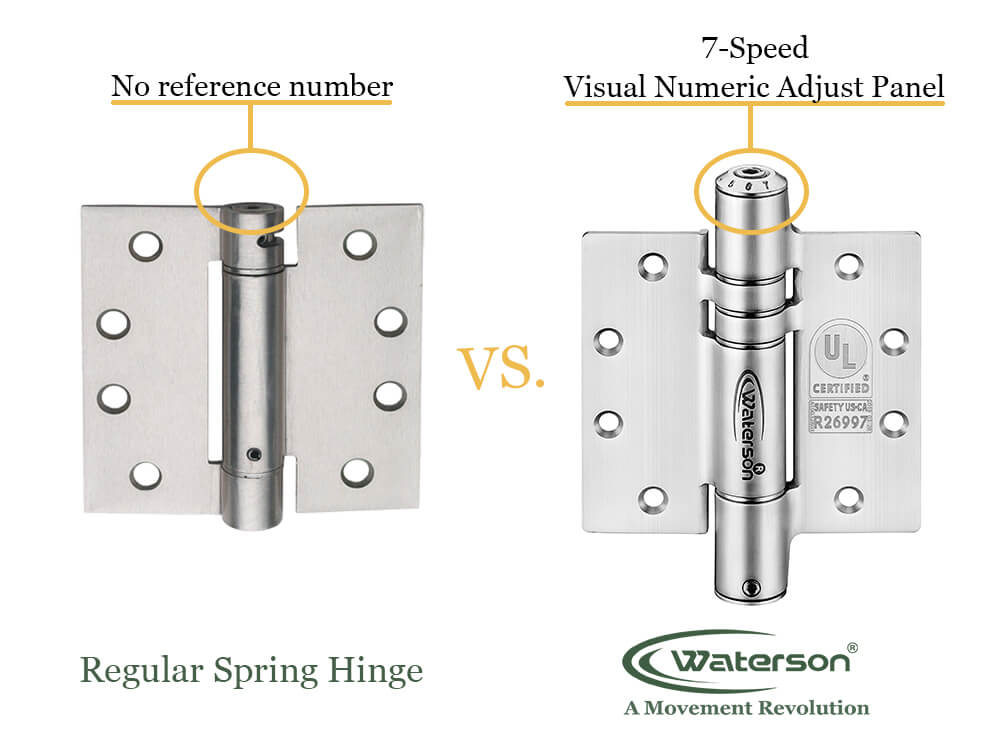
Quick Answer Yes, many spring hinge problems like slamming and vibration can be fixed by lubricating, adjusting tension, or re-aligning the door, but traditional spring [...]
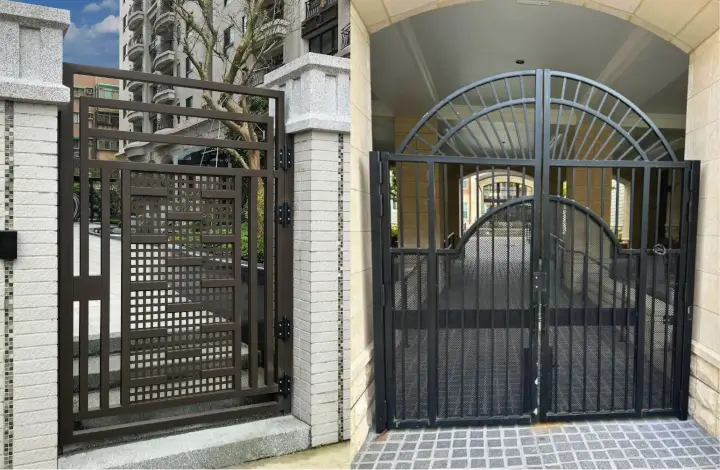
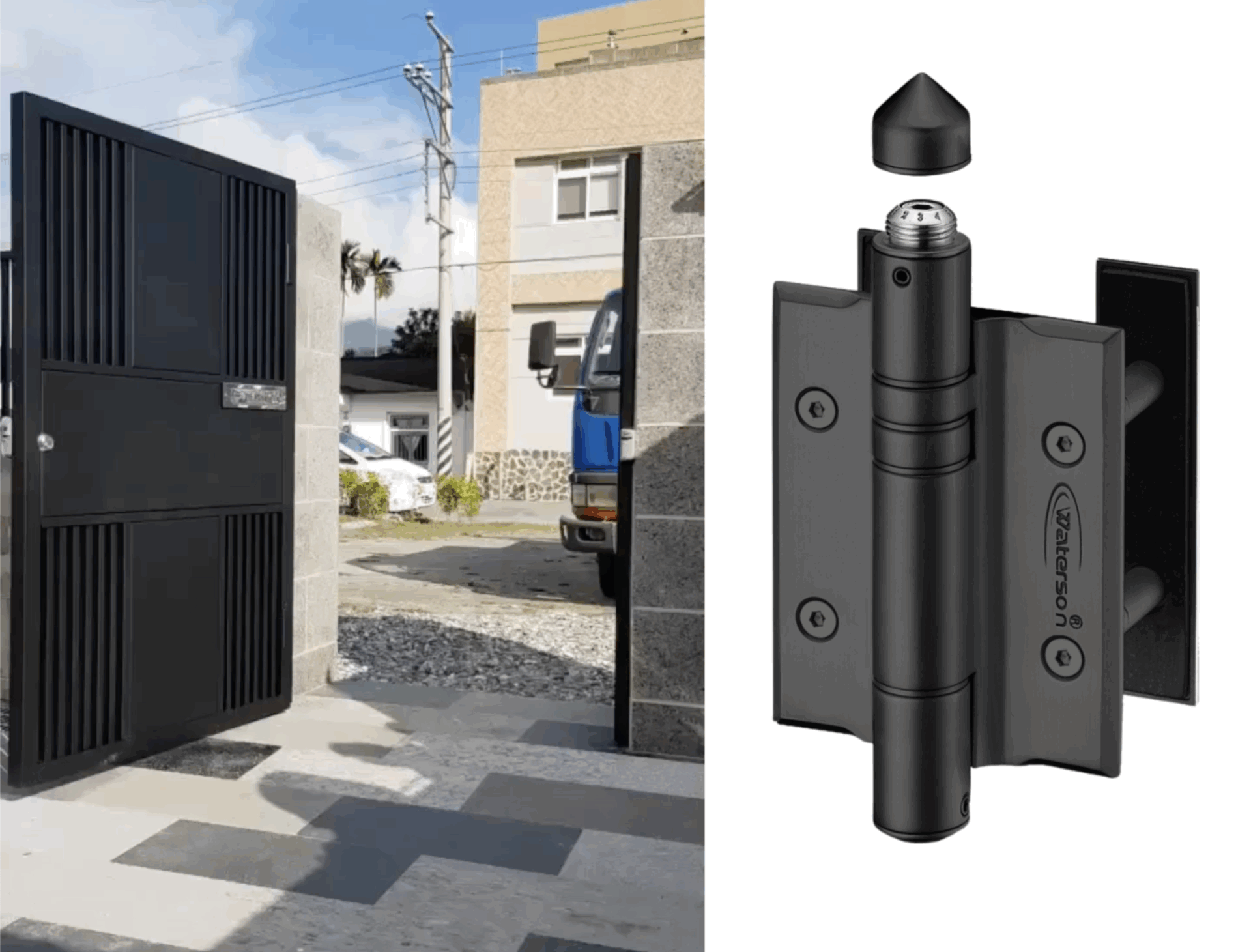
Quick Answer A good iron gate closer needs five qualities, ADA compliant self closing, adjustable tension, anti slam control, weather resistance, and heavy duty load [...]
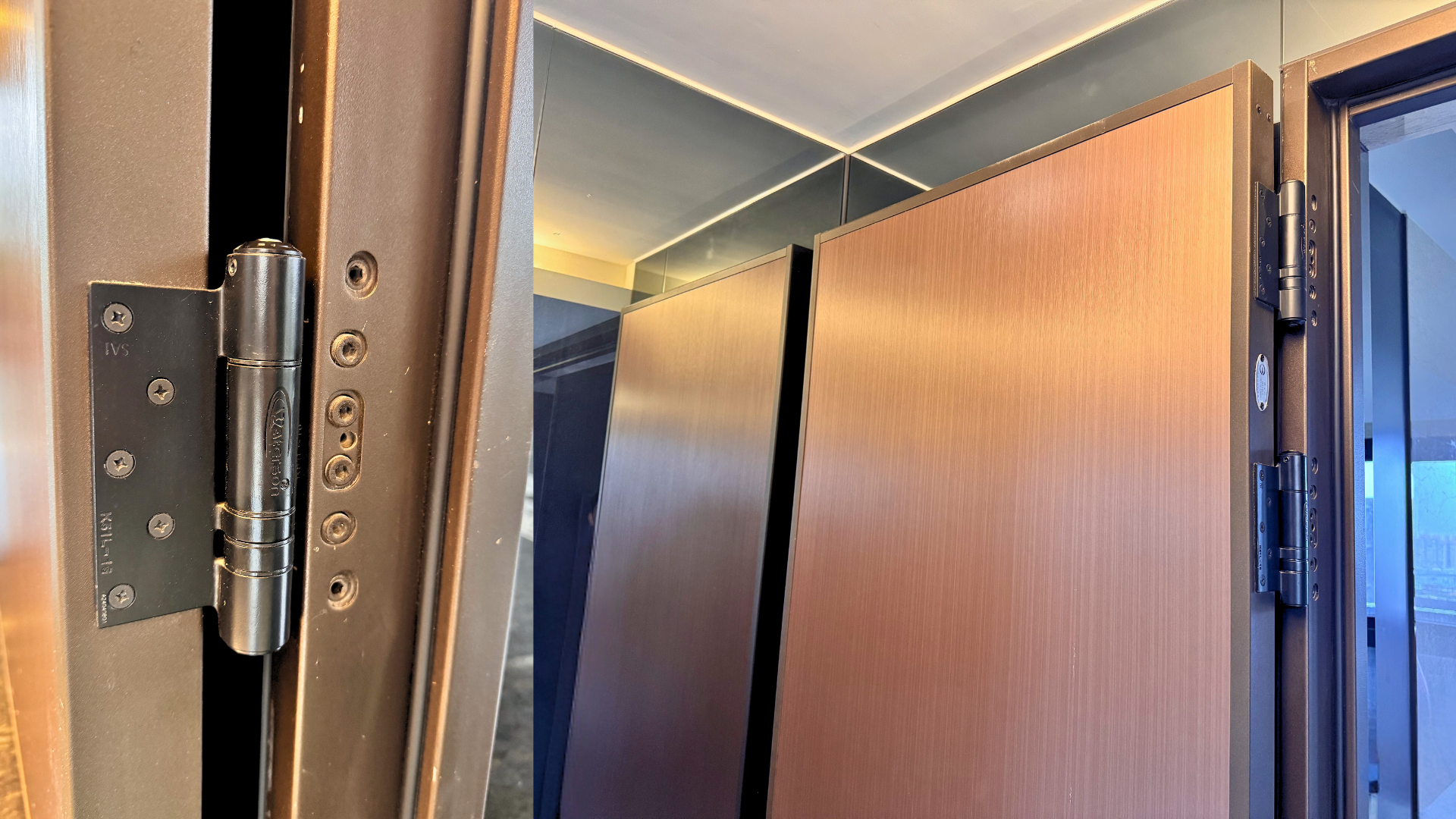
Quick Answer 0 to 120 degrees is the optimal range for Waterson self closing hinges because that's where spring tension, alignment, and closing force stay [...]
Most commercial self-closing hinges still adopt either spring or hydraulic damper for [...]
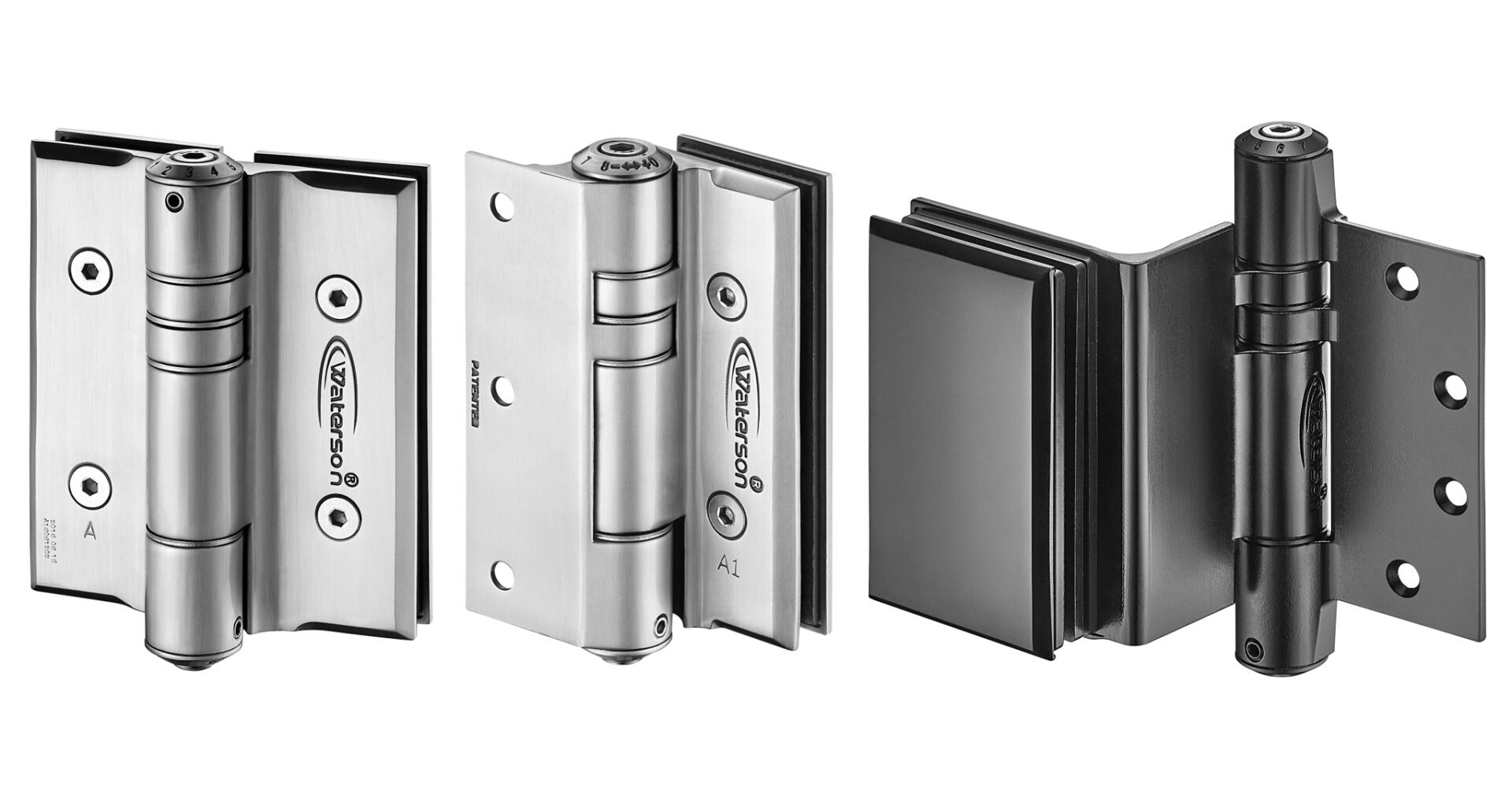
Quick Answer Commercial glass door hinges fail in high-traffic buildings due to mechanical fatigue, heavy door loads, improper installation, hydraulic seal degradation, and environmental corrosion. [...]

Quick Answer A 90-degree hinge, also called a 90-degree stop hinge, limits a door's swing to a right angle, preventing it from over-rotating into pathways, [...]

Quick Answer Yes, garage-to-house doors are required to be self-closing in most jurisdictions under NFPA 80, as they serve as a fire barrier between the [...]

Quick Answer Heavy duty wood fence gate hinges combine strength and style by pairing a 260 to 440 lb load capacity with finishes like satin [...]