Which Is the Best Self Closing Gate Hinge in Florida for a Pool & Coastal Gate
Most commercial self-closing hinges still adopt either spring or hydraulic damper for [...]

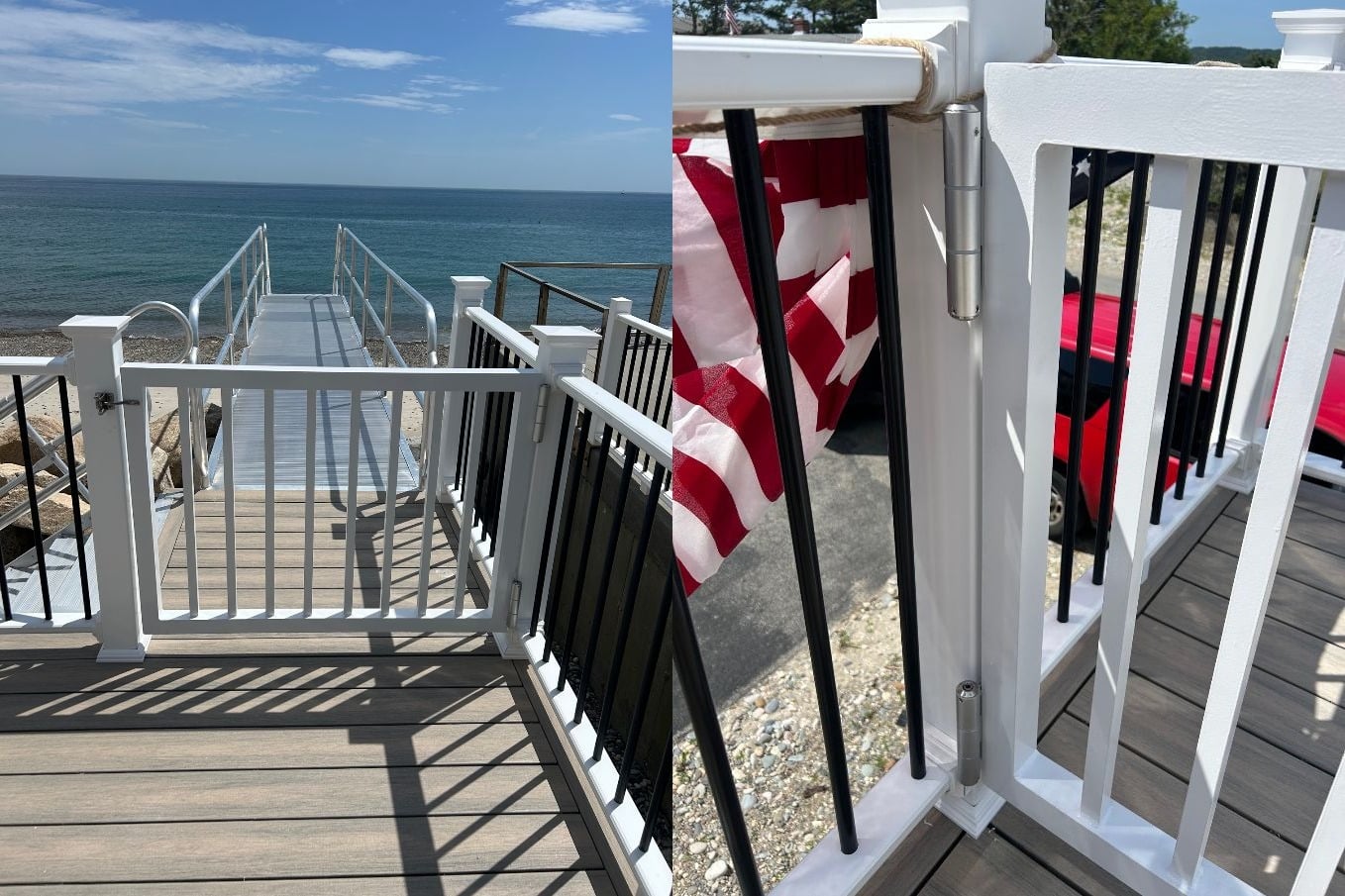
Most commercial self-closing hinges still adopt either spring or hydraulic damper for [...]

For residential elevators safety functionality and convenience are top priorities. One critical element is ensuring the doors close securely without slamming, but traditional spring hinges [...]
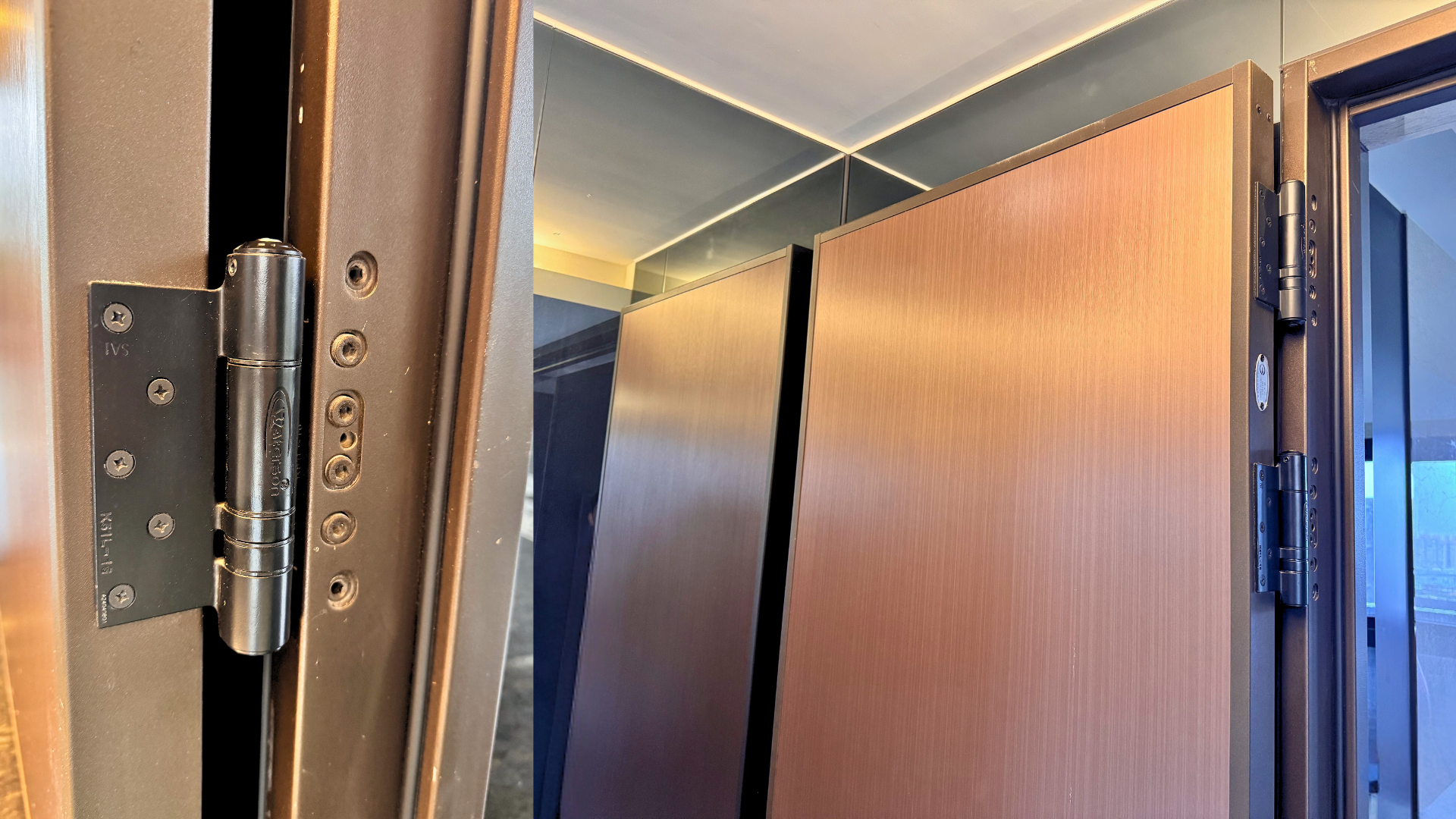
Most commercial self-closing hinges still adopt either spring or hydraulic damper for [...]
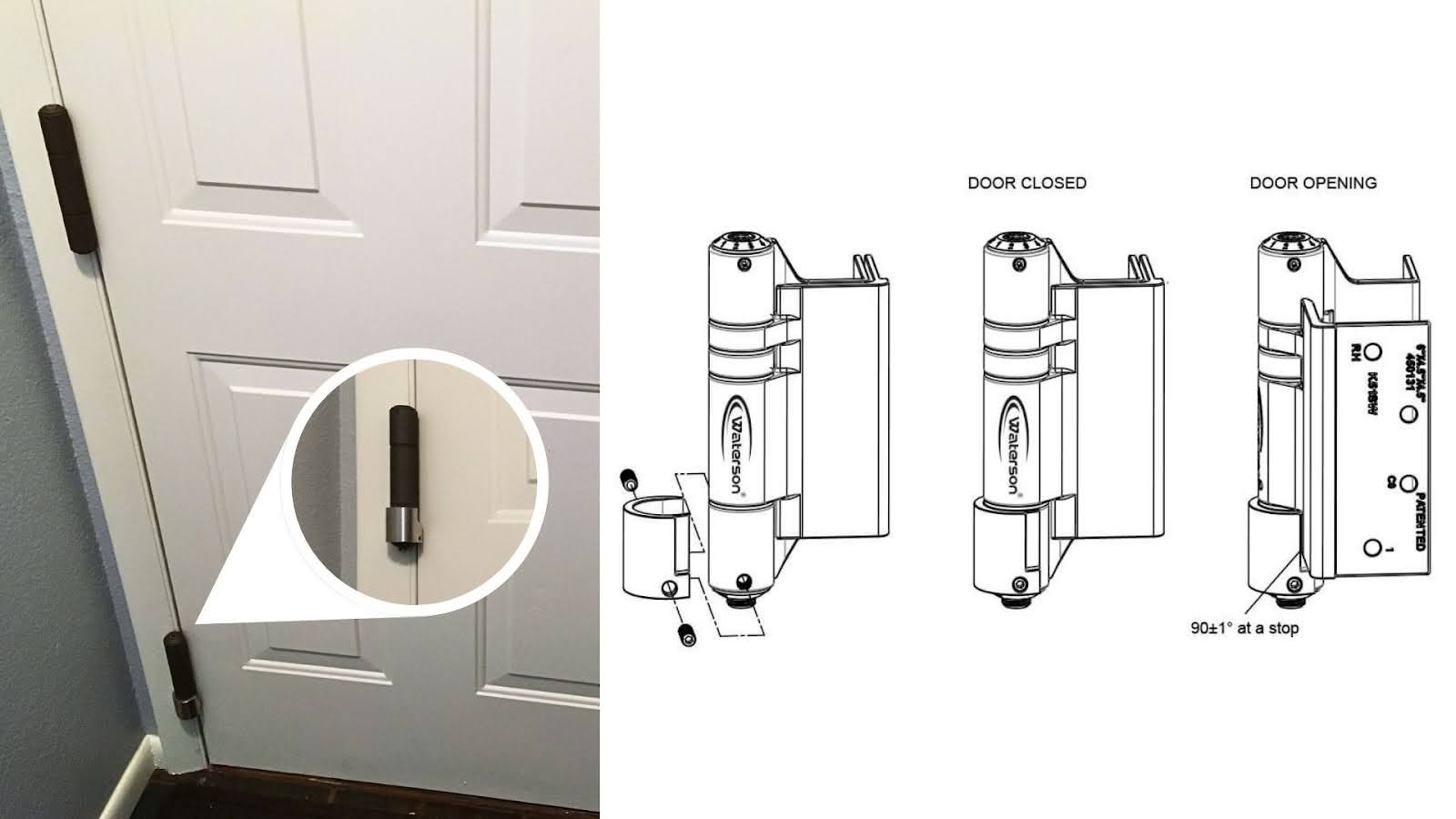
Quick Answer A hold open hinge keeps a door open at a set angle (typically 90°) until manually closed. A door stop on a hinge [...]
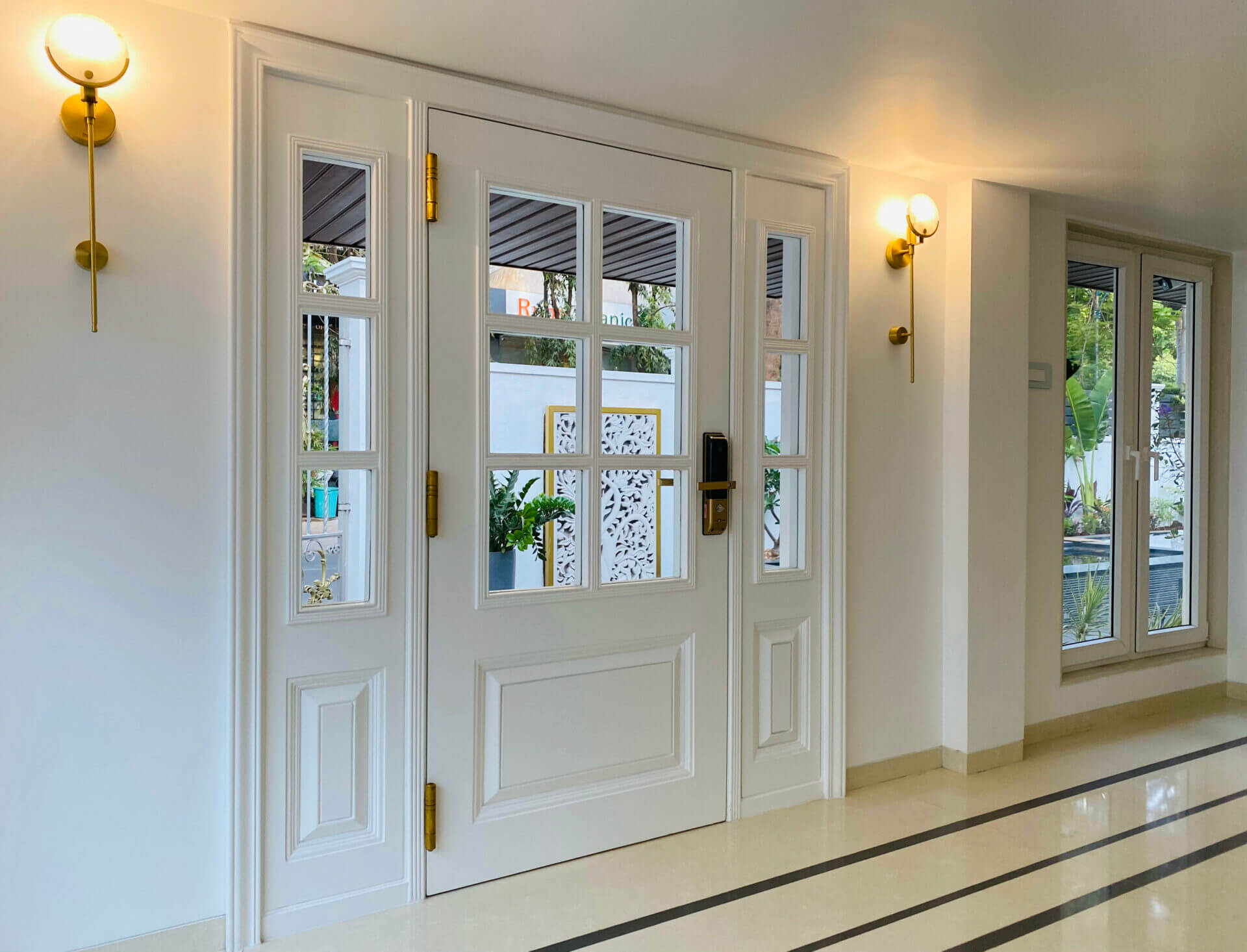
Quick Answer Gold door hinges bring a satin brass finish that suits vintage, antique, and arch doors while still delivering heavy duty stainless steel performance. [...]
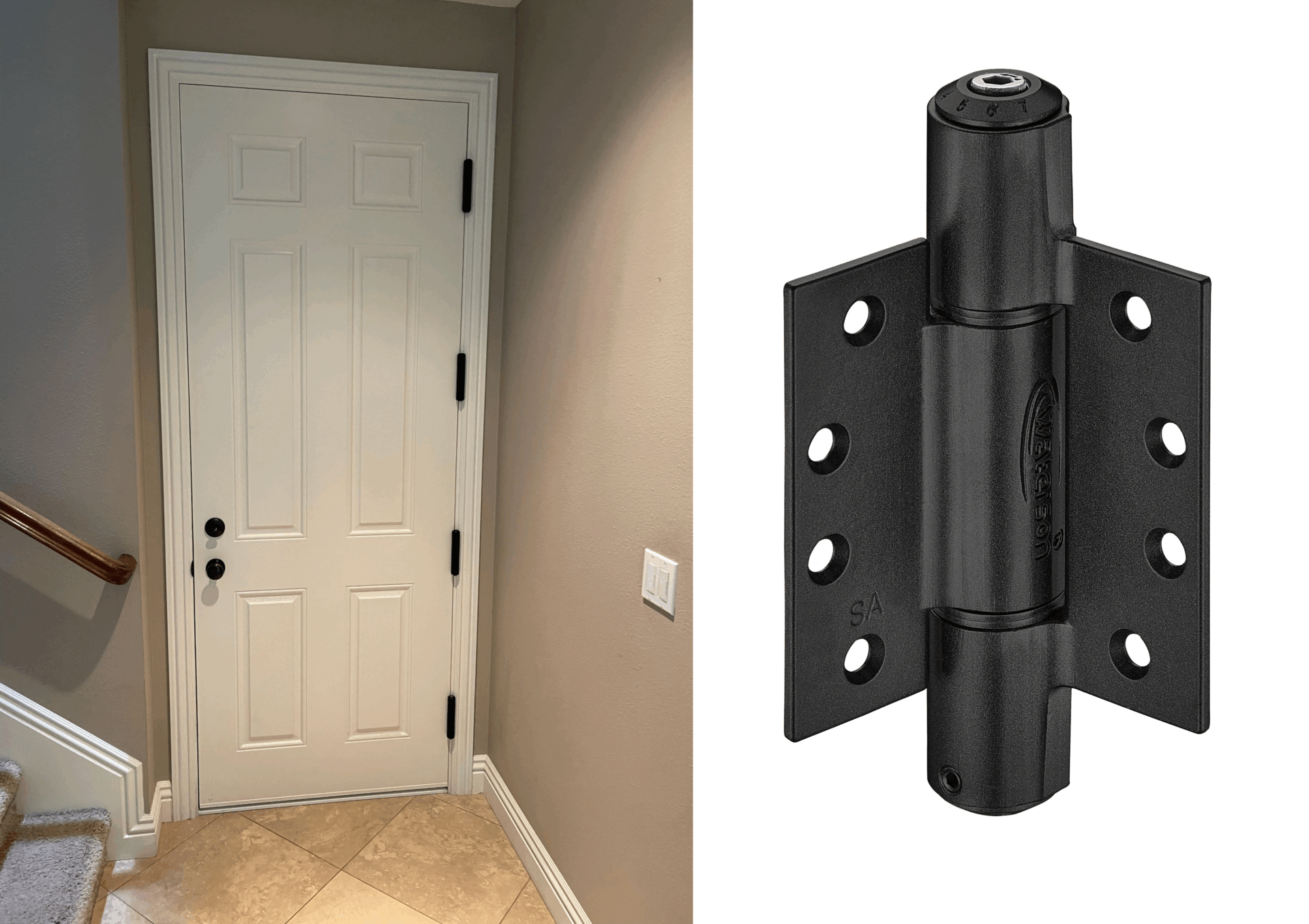
Quick Answer Yes. Under IRC Section R302.5.1, any door connecting an attached garage to living space must be self-closing to block fire and carbon monoxide. [...]
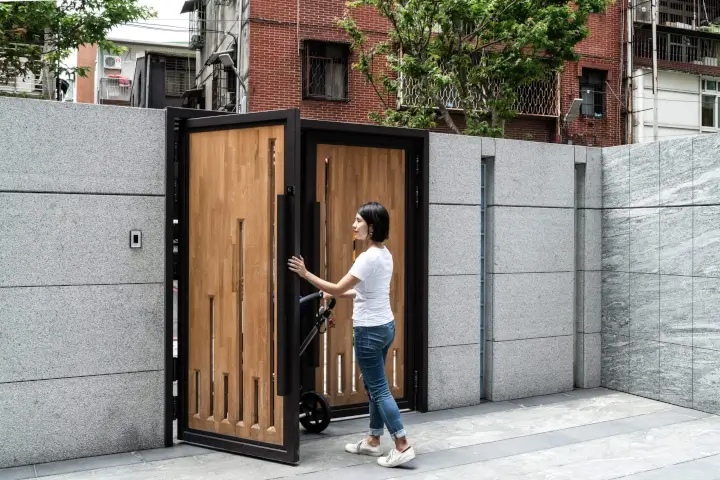
Black gate hinges are more than just functional components; they are a style statement for homes and businesses alike. These hinges not only provide essential [...]
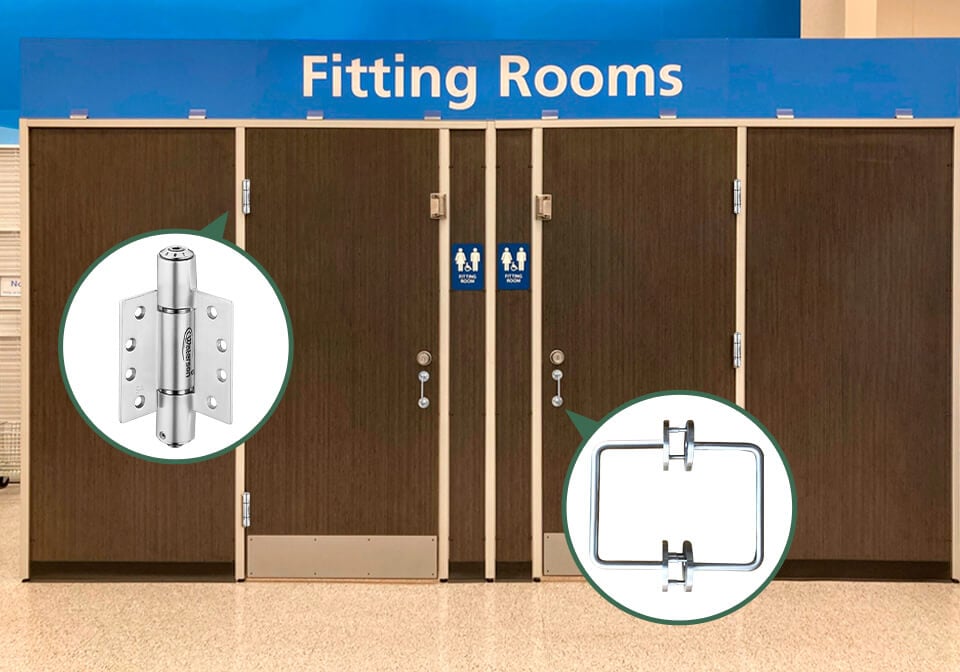
Quick Answer ADA requires door handles to be centered between 34-48 inches above the floor, operable with one hand, and without tight grasping or twisting. [...]
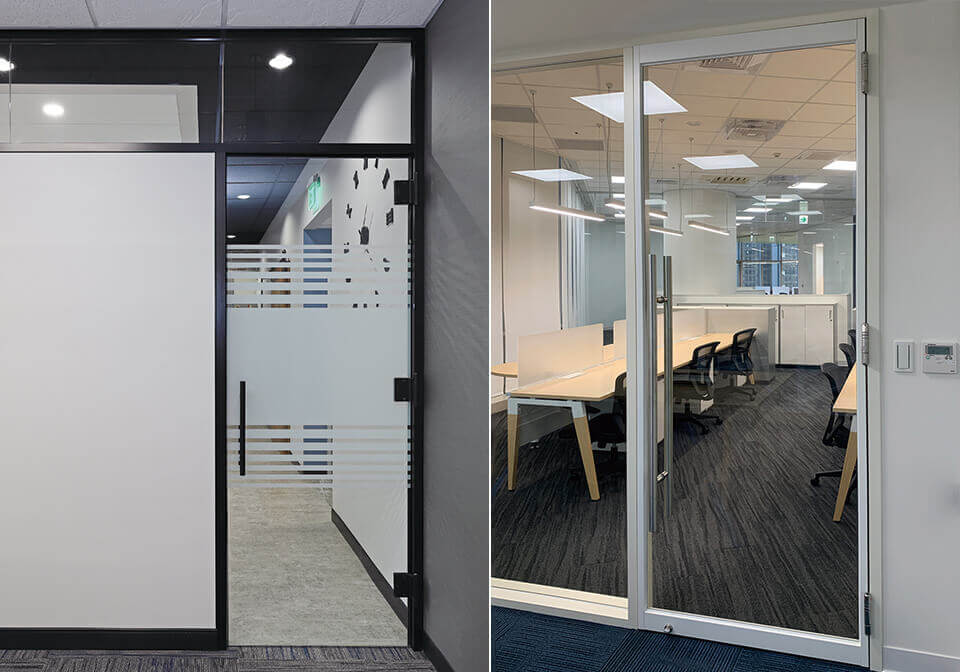
Quick Answer Waterson glass door hinges solve interior frameless glass door challenges by drilling directly through glass up to ½" thick instead of clamping, supporting [...]
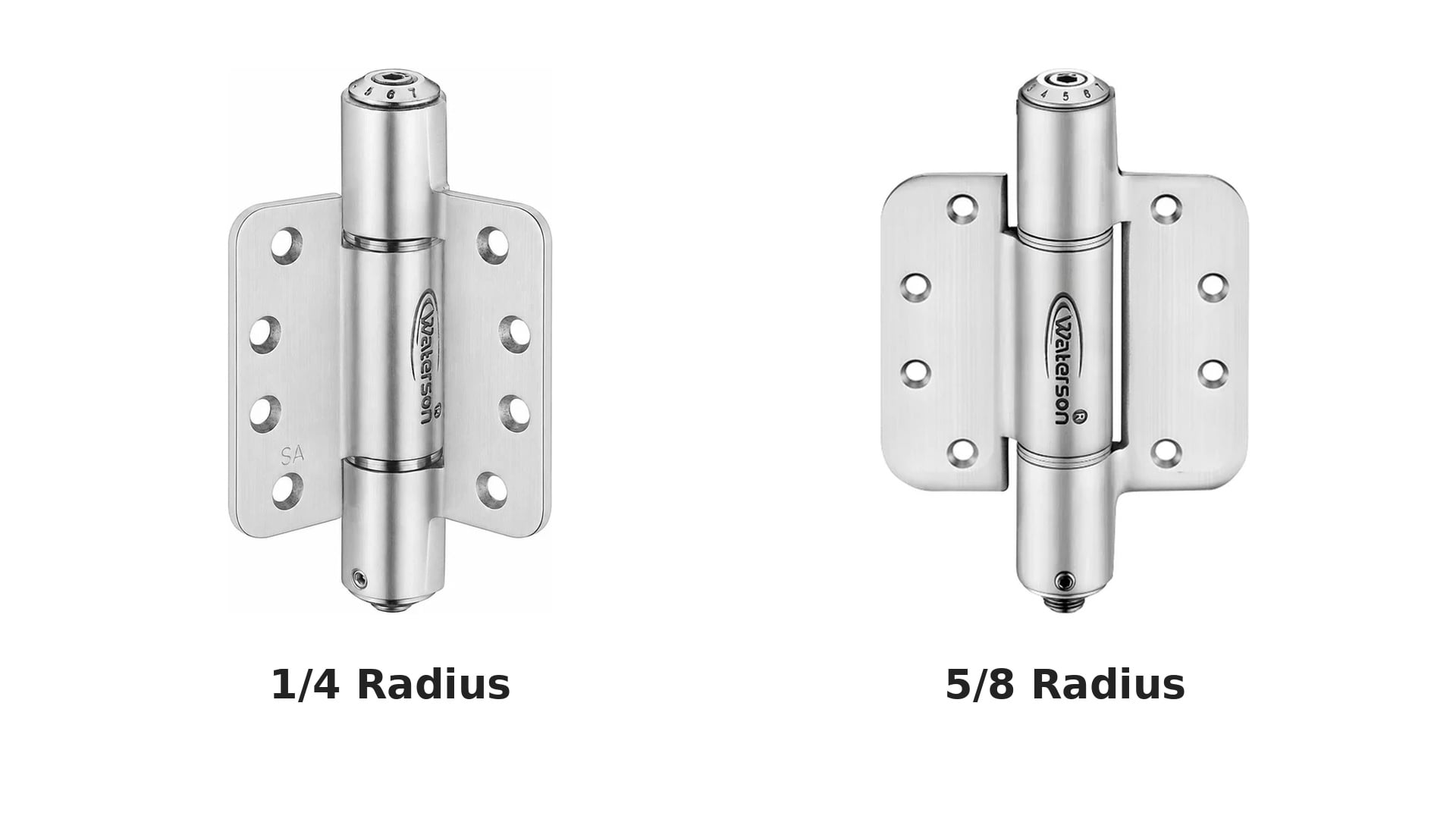
Quick Answer Hinge radius is the curve at the corner of a hinge leaf. The two common types are 1/4" (sharper, modern look) and 5/8" [...]