What Leads to Premature Wear in Commercial Door Hinges on Storefronts
Quick Answer Premature wear in storefront door hinges usually comes from four causes working together: a hinge grade too low for the traffic, a door [...]

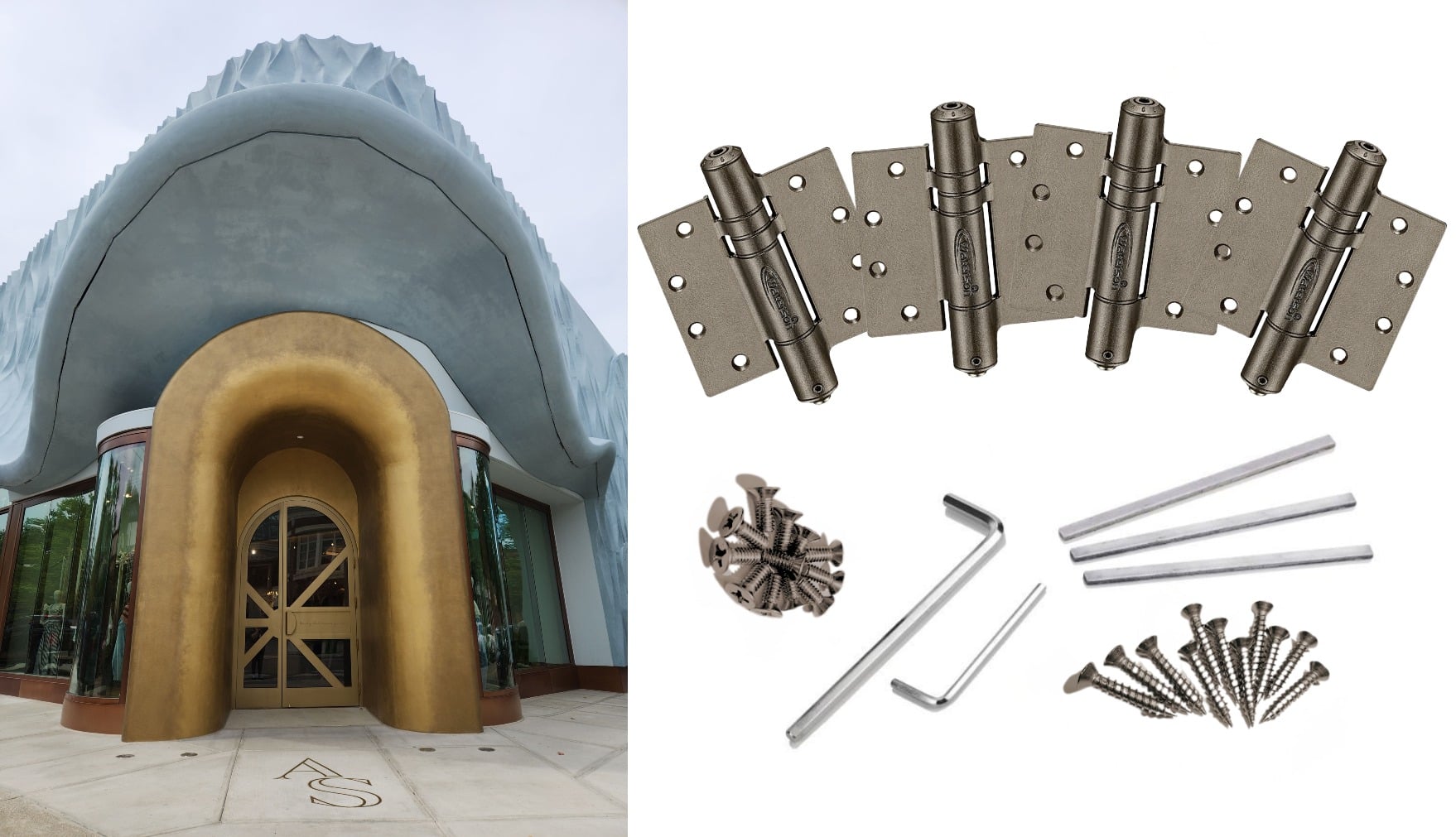
Quick Answer Premature wear in storefront door hinges usually comes from four causes working together: a hinge grade too low for the traffic, a door [...]
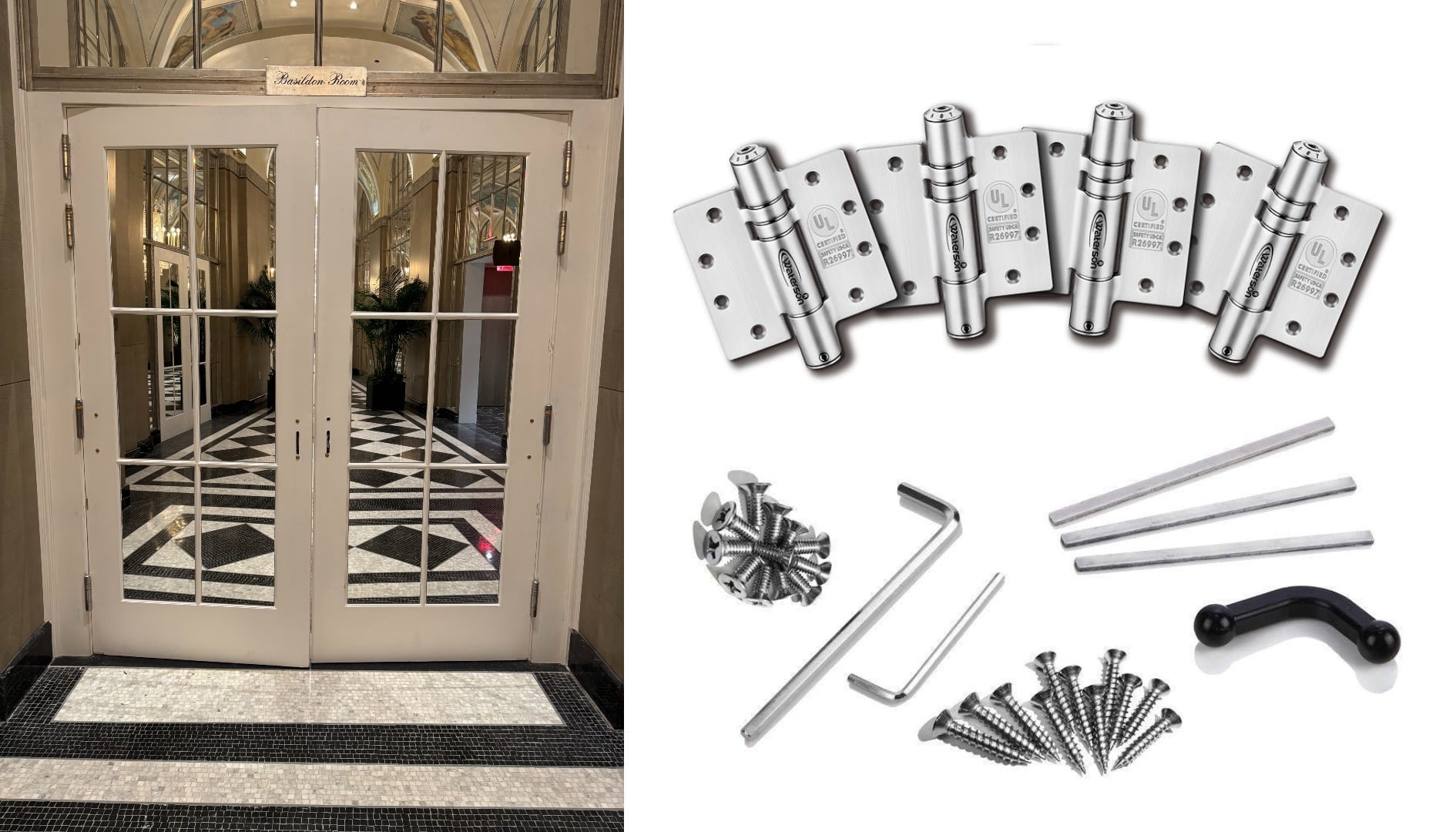
Most commercial self-closing hinges still adopt either spring or hydraulic damper for [...]
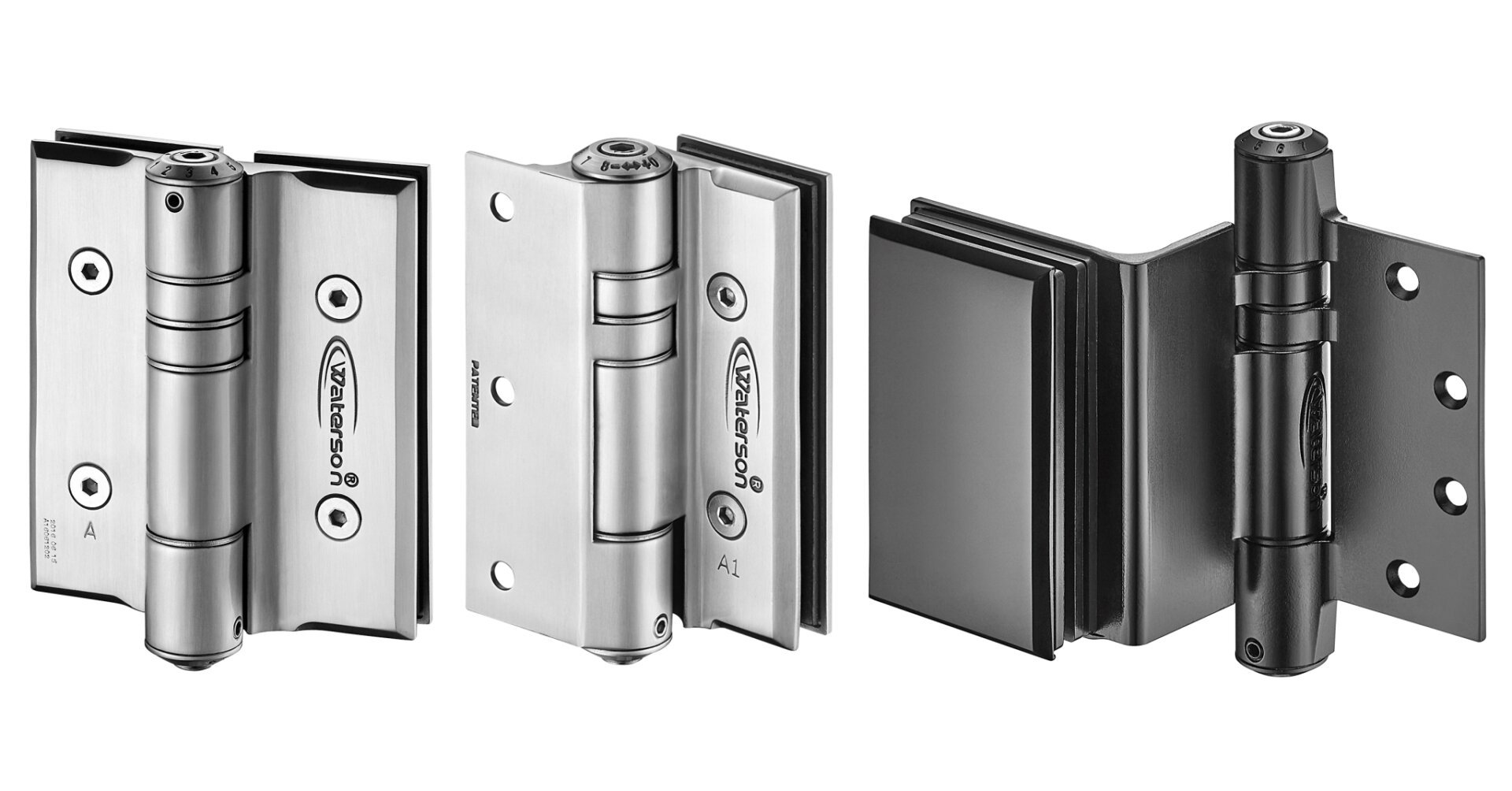
Quick Answer Commercial glass door hinges fail in high-traffic buildings due to mechanical fatigue, heavy door loads, improper installation, hydraulic seal degradation, and environmental corrosion. [...]

Quick Answer Traditional door stops pose a child safety risk because their rubber covers can be pulled off and become a choking hazard, and wall [...]

Quick Answer A door that won't close flush is usually caused by loose hinge screws, a misaligned strike plate, swollen wood, or in high-rise buildings, [...]

Quick Answer ADA requires door handles to be centered between 34-48 inches above the floor, operable with one hand, and without tight grasping or twisting. [...]

Most commercial self-closing hinges still adopt either spring or hydraulic damper for [...]
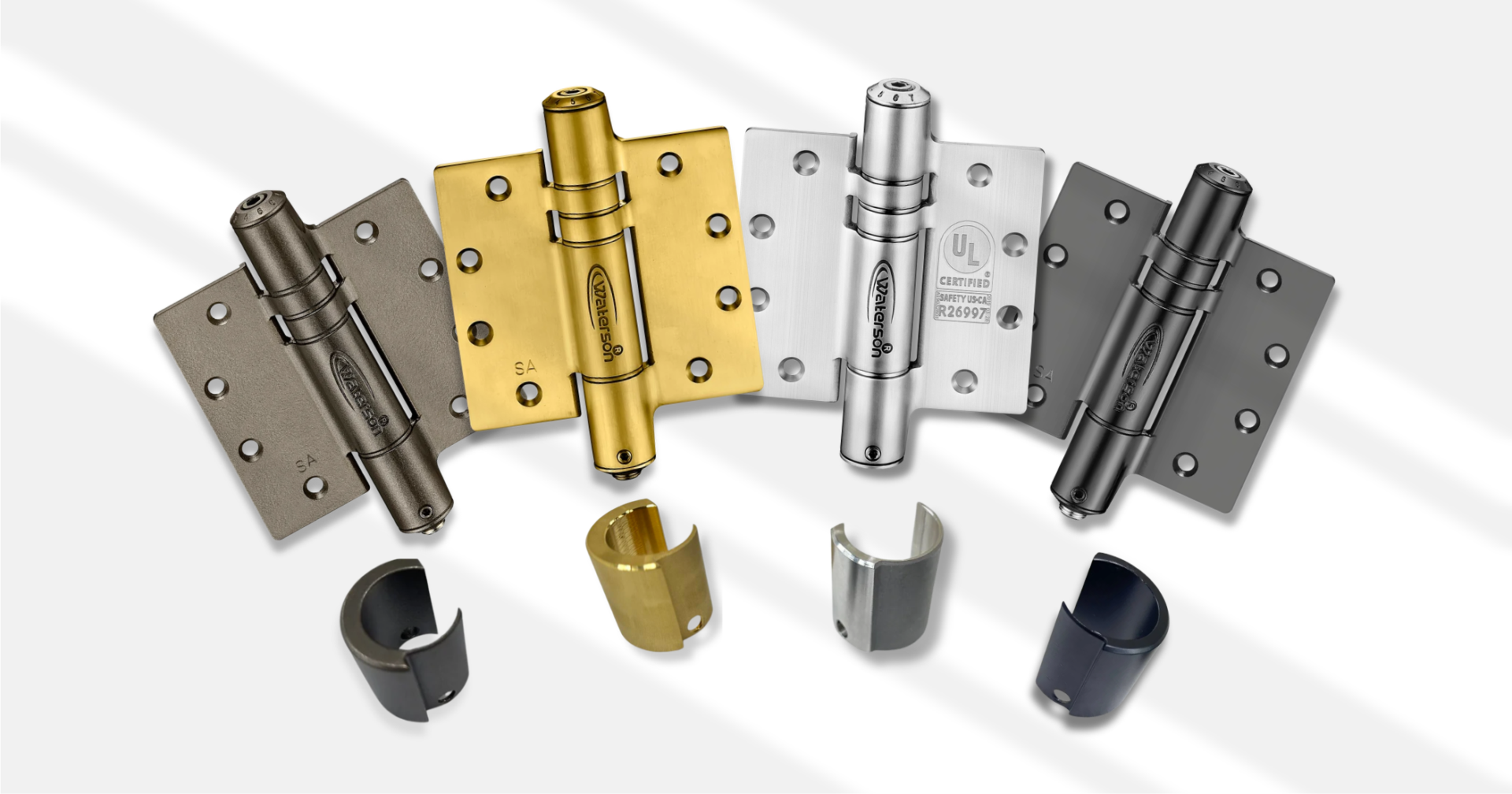
Quick Answer A hold open hinge keeps a door open at a set angle (typically 90°) until manually closed. A door stop on a hinge [...]

When winter comes, temperatures drop, and outdoor fence gates start to behave differently. Wood absorbs moisture and swells, metal contracts slightly, and hardware components shift [...]
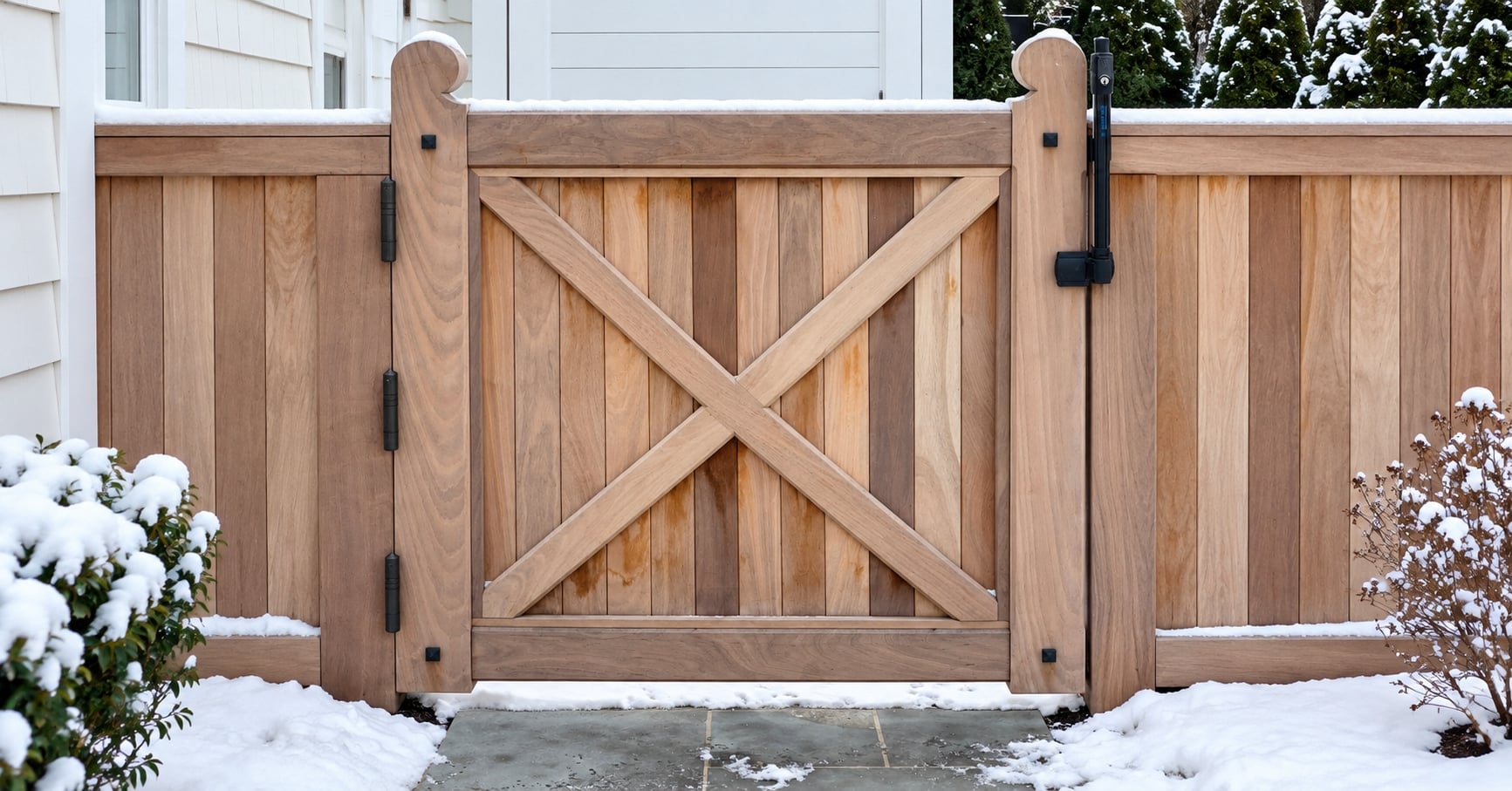
Quick Answer An exterior door that closes fine in summer but won't latch in winter is usually affected by two things: weather stripping that stiffens [...]