Swing Clear Offset Hinges for ADA Doorway Clearance
In hospital corridors, the rushing trolleys need wider door entrance to avoid bumping[...]

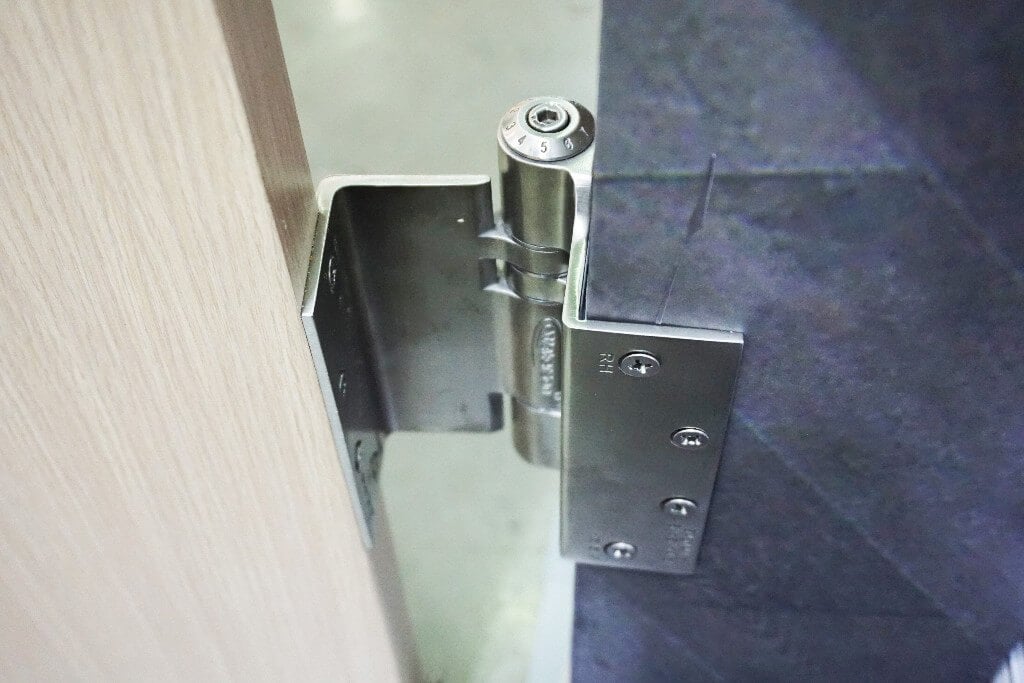
In hospital corridors, the rushing trolleys need wider door entrance to avoid bumping[...]
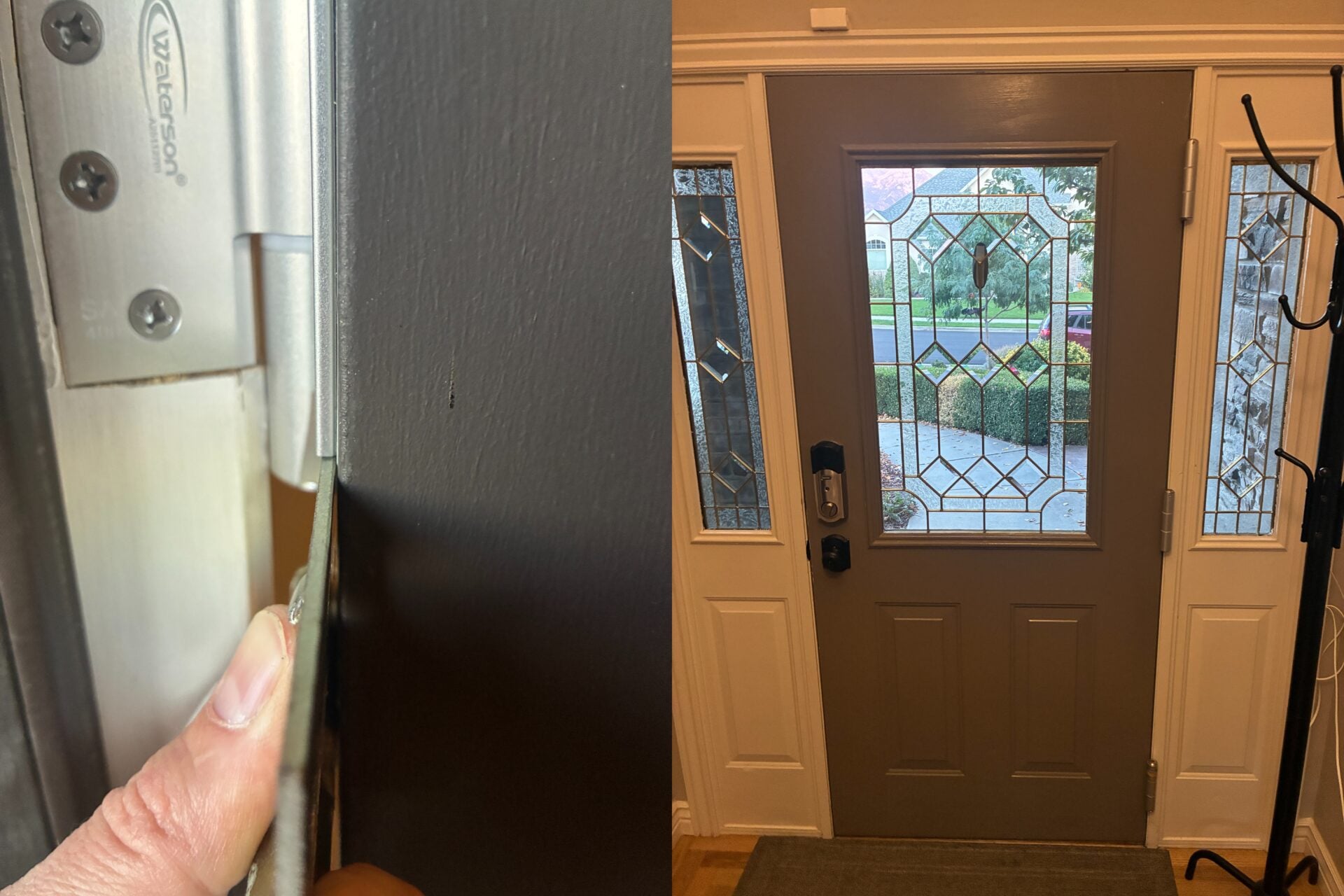
"The hinges were not a direct replacement to my existing 4 inch hinges. The bolt pattern was different. This caused me to drill and tap [...]
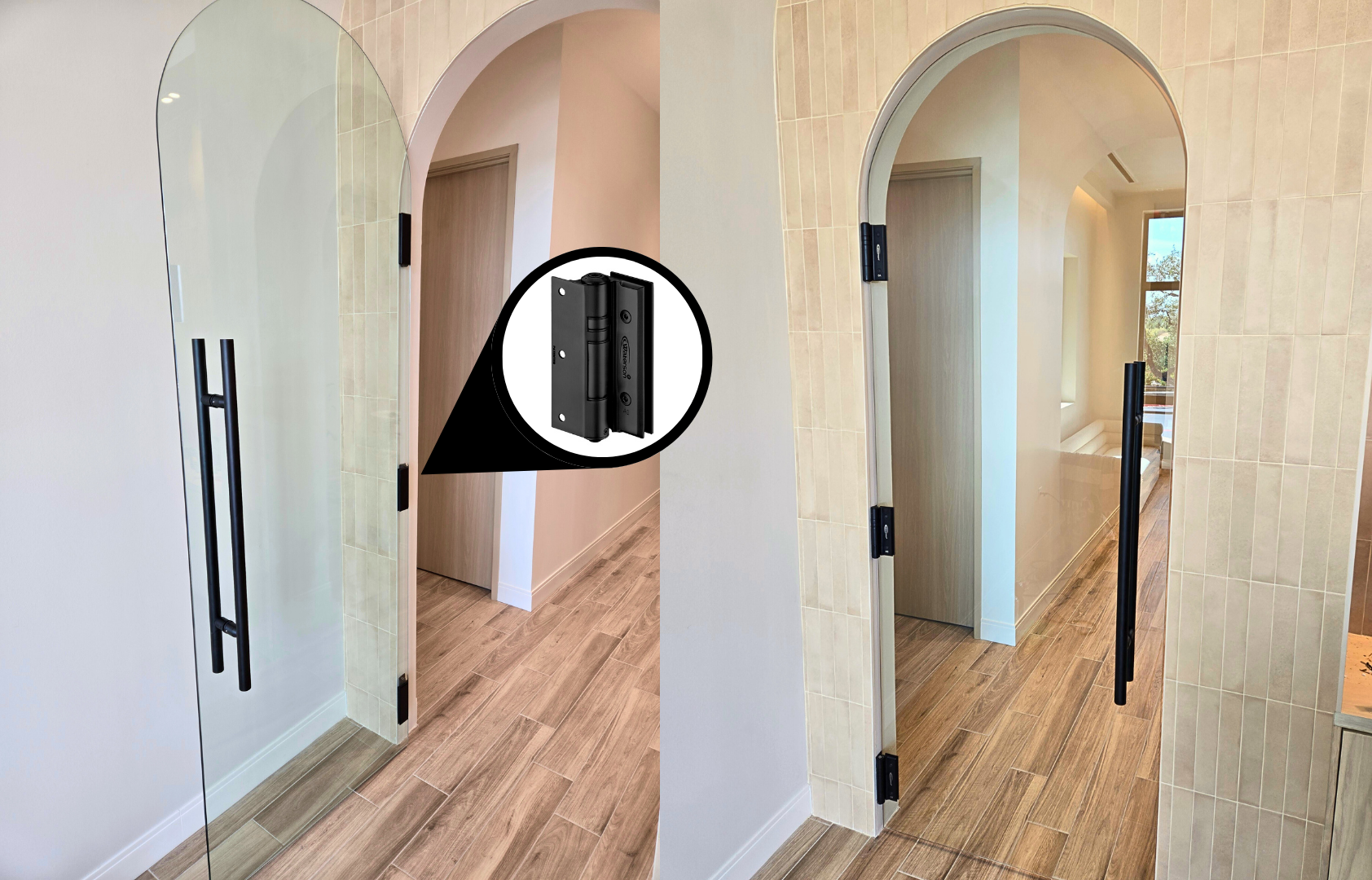
A frameless door has no rail for an overhead closer and no stile to carry the load, so self closing glass clamp hinges have to [...]
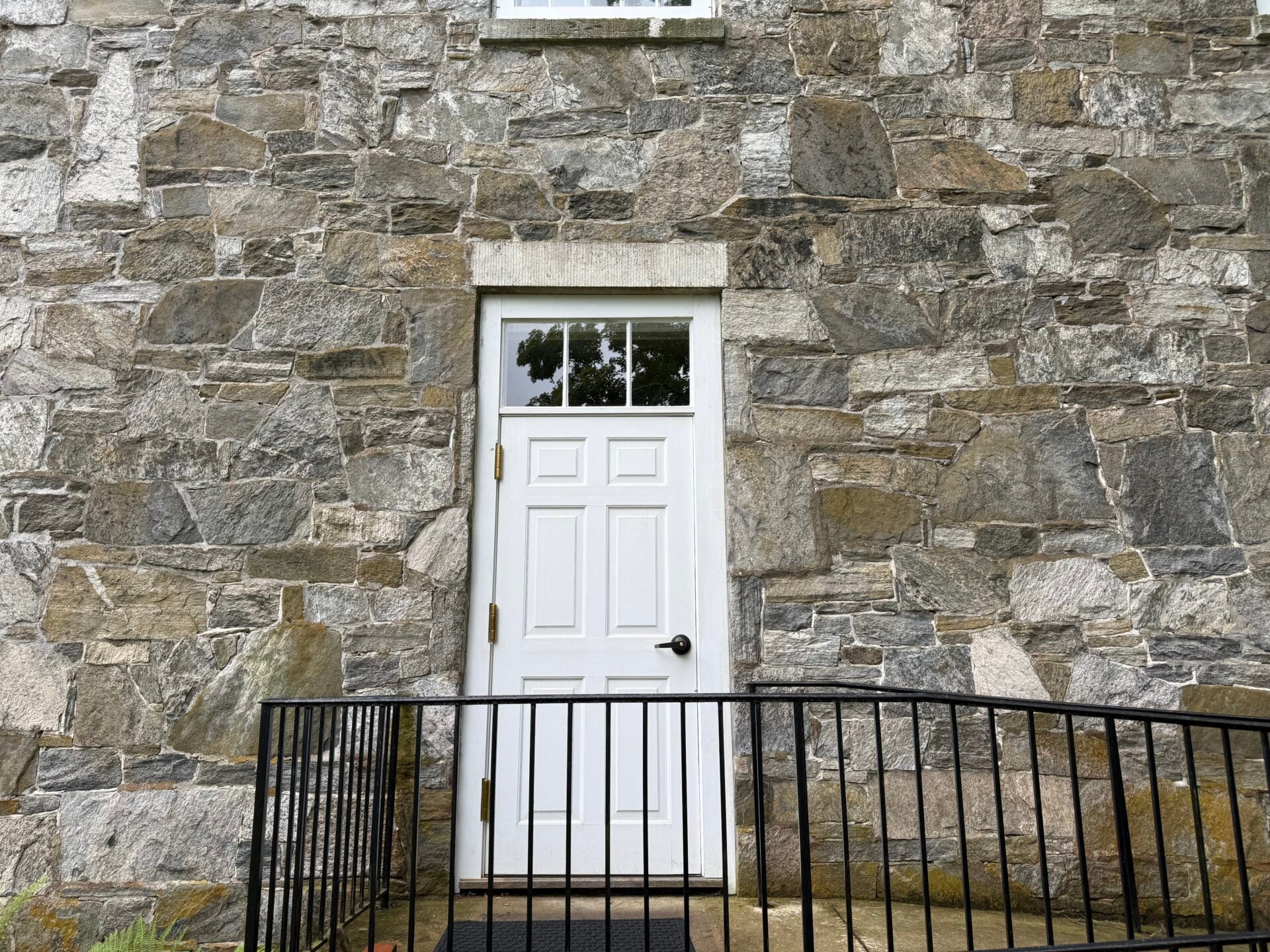
"We're fitting out the main entrance on a mid-rise in Calgary. 3070 hollow metal pair, roughly 220 lbs per leaf, barrier-free path, and the owner [...]
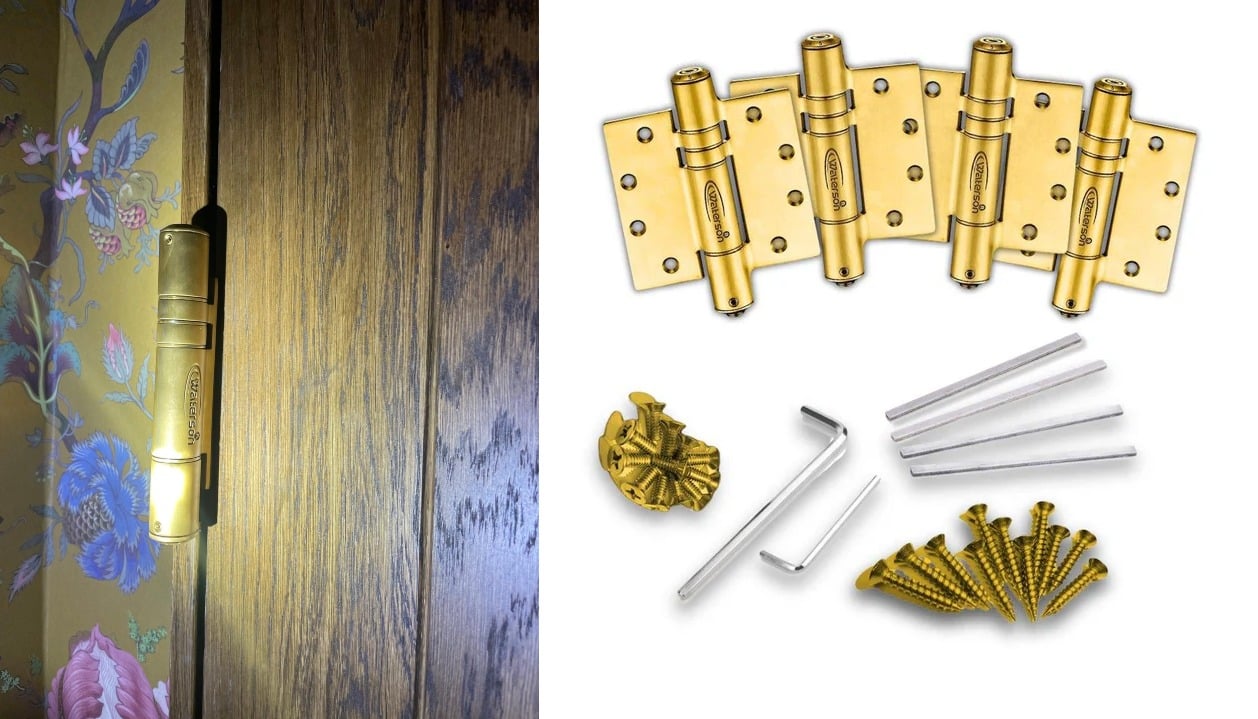
Your front door is usually the heaviest door in your home and the one you use the most. Every time it slams, the impact goes [...]
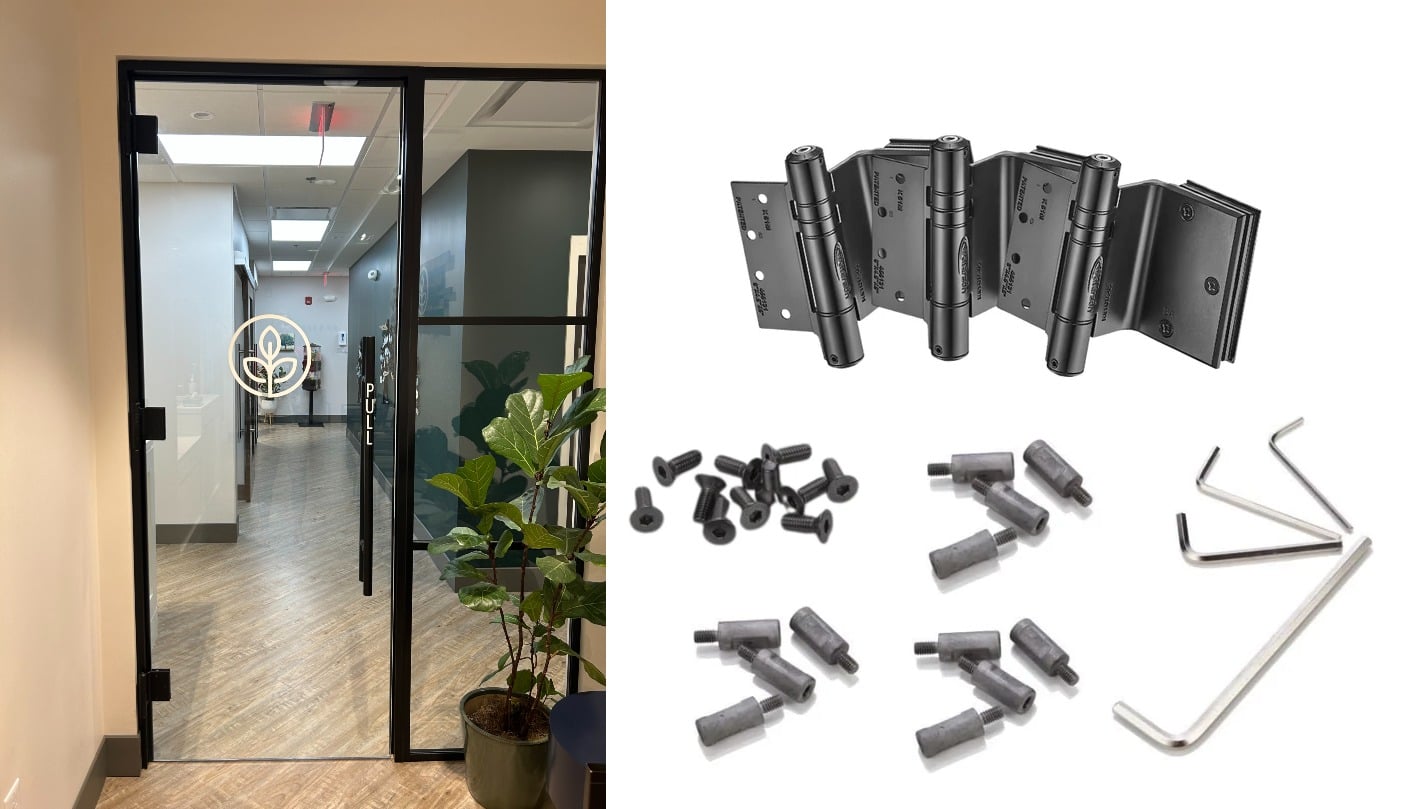
"I need 36x96 all-glass doors attached to aluminum framing. Self closing with hold open on 2 doors. Black finish." An all-glass door has no top [...]
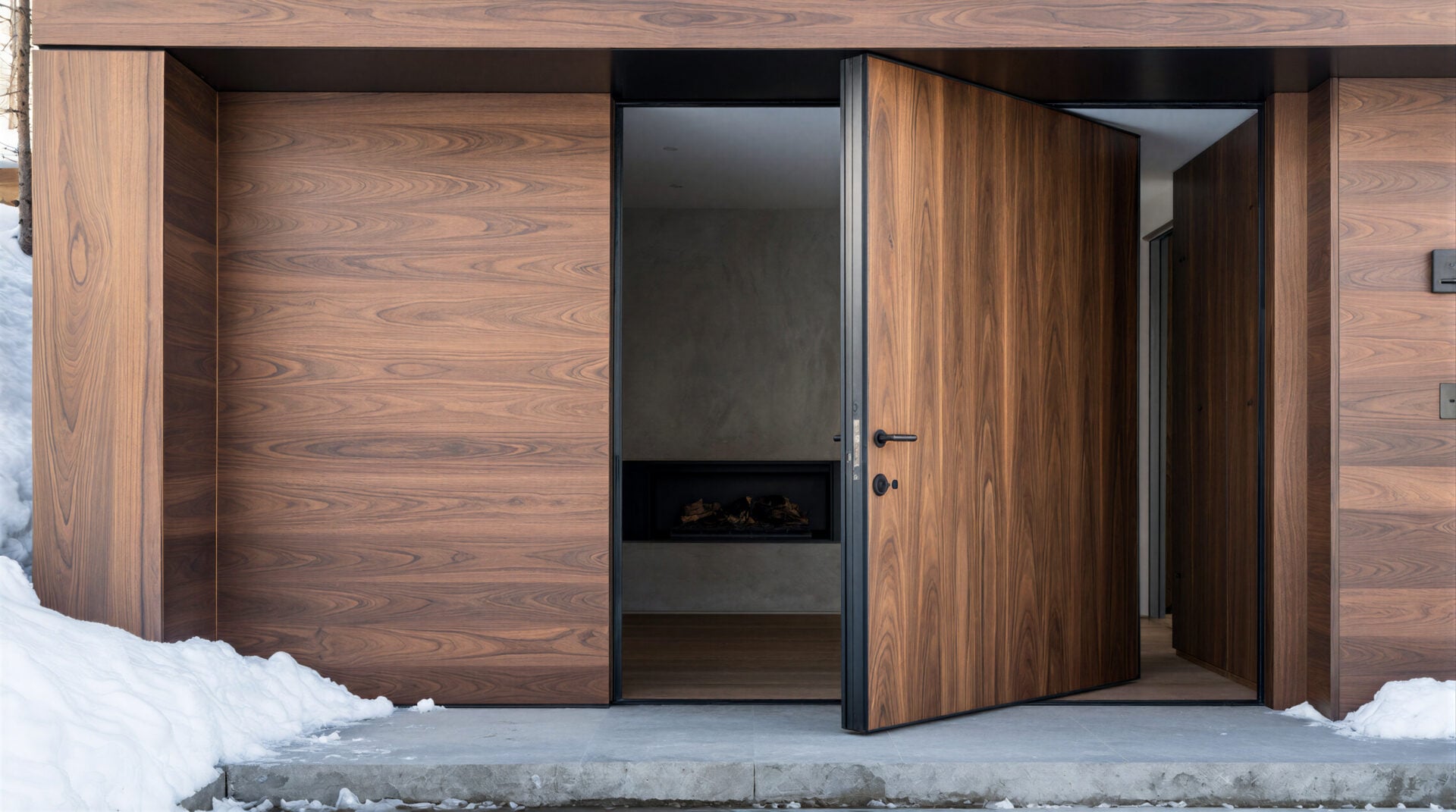
"Our storefront door runs on a floor closer that has been leaking oil for months. Now the door drifts open and slams shut. The installer [...]
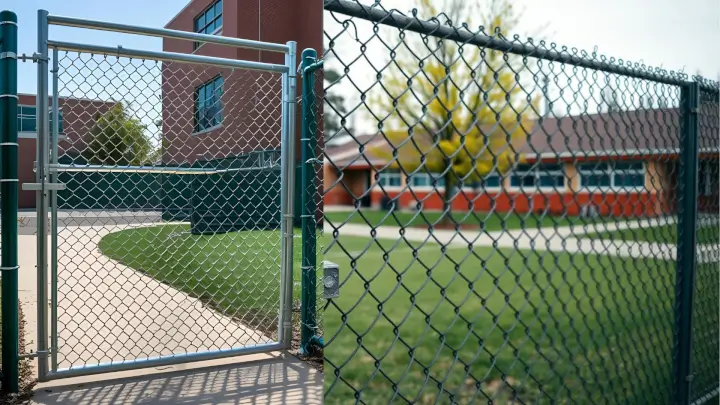
"Hi, we're closing out a commercial lot and the spec calls for self closing hinges on the entry gates. These are customized metal gates: a [...]
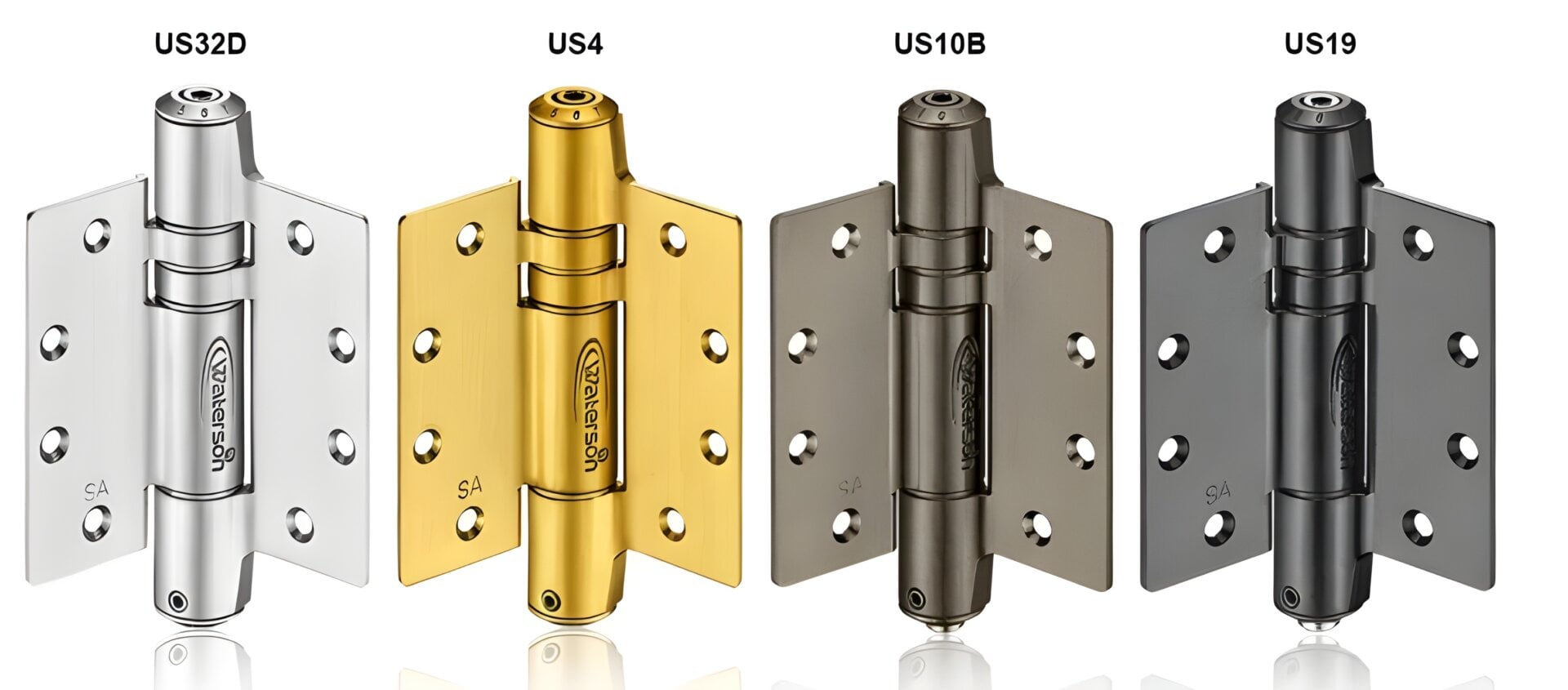
Waterson provides self-closing hinges for architectural and construction projects across Canada. Below is an overview of how we support Canadian customers, from shipping and certification [...]
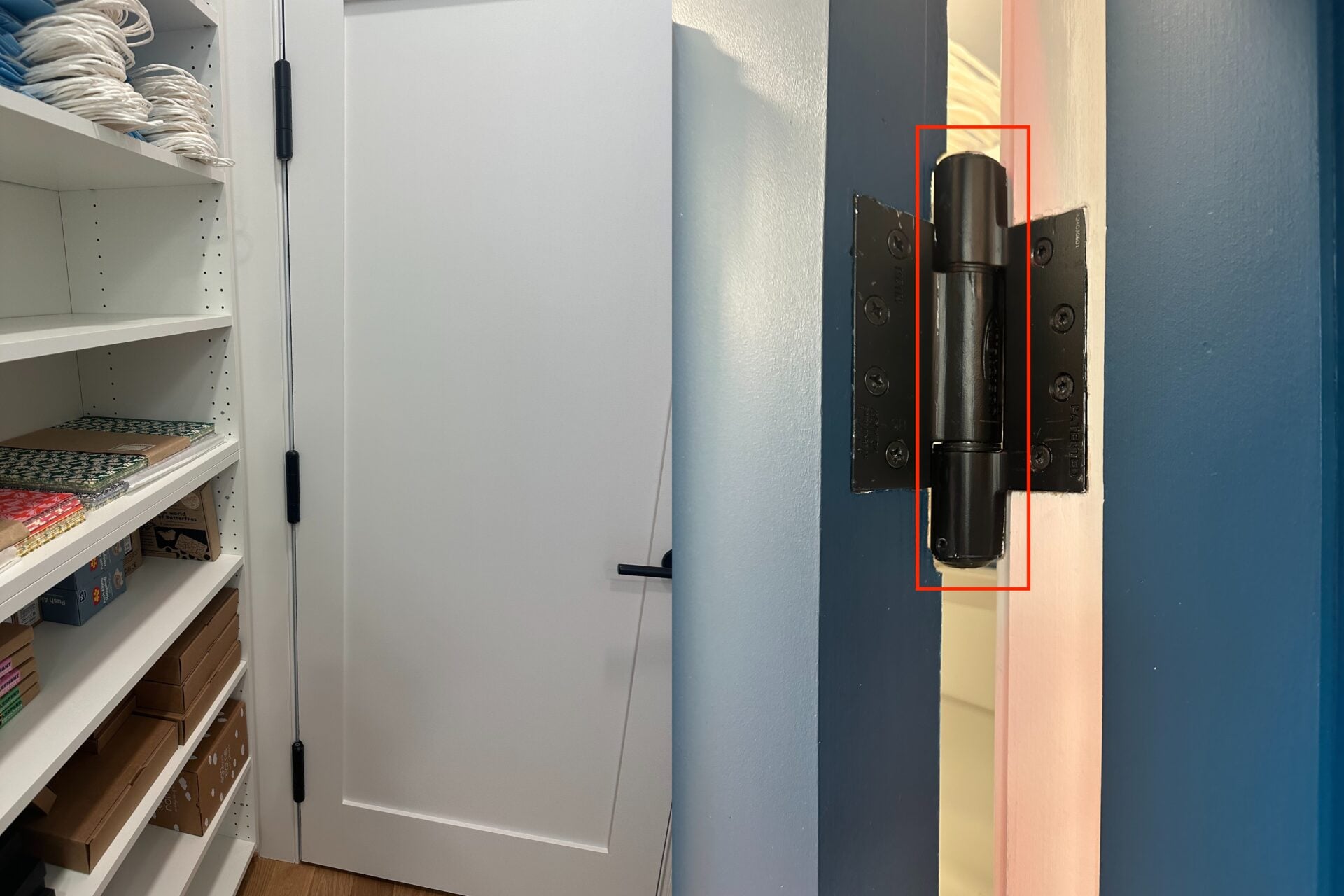
"I bought these to replace standard 4 inch hinges, which, when open are 4 inches wide x 4 high. The Waterson hinges are 4 5/16 [...]