
Most people only notice their Gate hinges when something’s already broken. The gate won’t close, the latch misses the strike plate, and the hinge squeaks every time someone walks through. Sound familiar? And most of the time, the culprit isn’t an old hinge or heavy use. It’s the weather.
Commercial gates take a beating year-round. Summer heat makes materials expand, winter cold makes them contract, throw in humidity plus moisture, and things get worse fast. It’s not just the gate that suffers. The hinges take the hit too.
And depending on whether it’s hot or cold, the way weather damages your hinges is completely different.
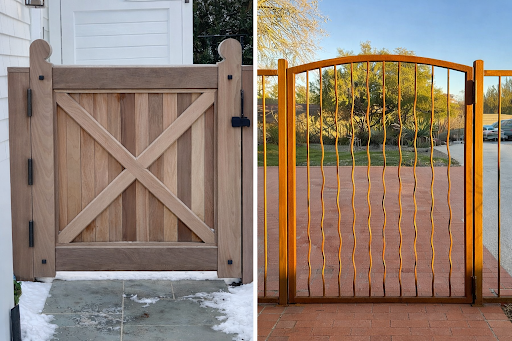
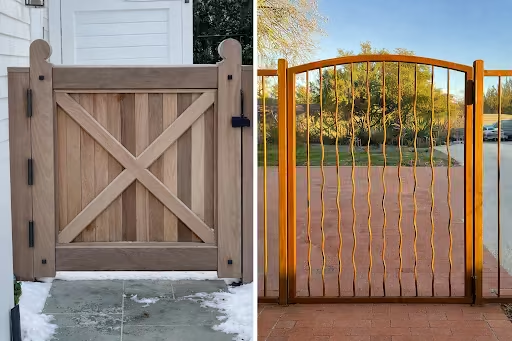
What Is a Cold Weather Gate Hinge?
A cold-weather gate hinge is built to keep working when temperatures drop hard, think harsh winter exteriors, freezer entries, or outdoor gates in northern climates. Standard hinges aren’t cut out for this. Bearings stiffen, steel can crack, and generic lubricants solidify. Most off-the-shelf hinges use carbon steel and basic grease, neither of which survives sub-zero conditions for long.
Why Your Gate Fights You Every Winter
Wood swells. Metal contracts. Hardware shifts. A gate that glided shut in October can drag, bind, or refuse to latch by January. Cold weather hinges fight back with:
- Stainless steel (304 or 316) that shrugs off freeze-thaw cycles
- Dry bearings that don’t seize up when the lubricant solidifies
- Adjustable spring tension to compensate for seasonal gate weight changes
- A sealed barrel that keeps frost out of the moving parts
Best for: commercial exterior gates, cold storage entries, loading docks, and any gate that cycles through freeze-thaw conditions regularly.
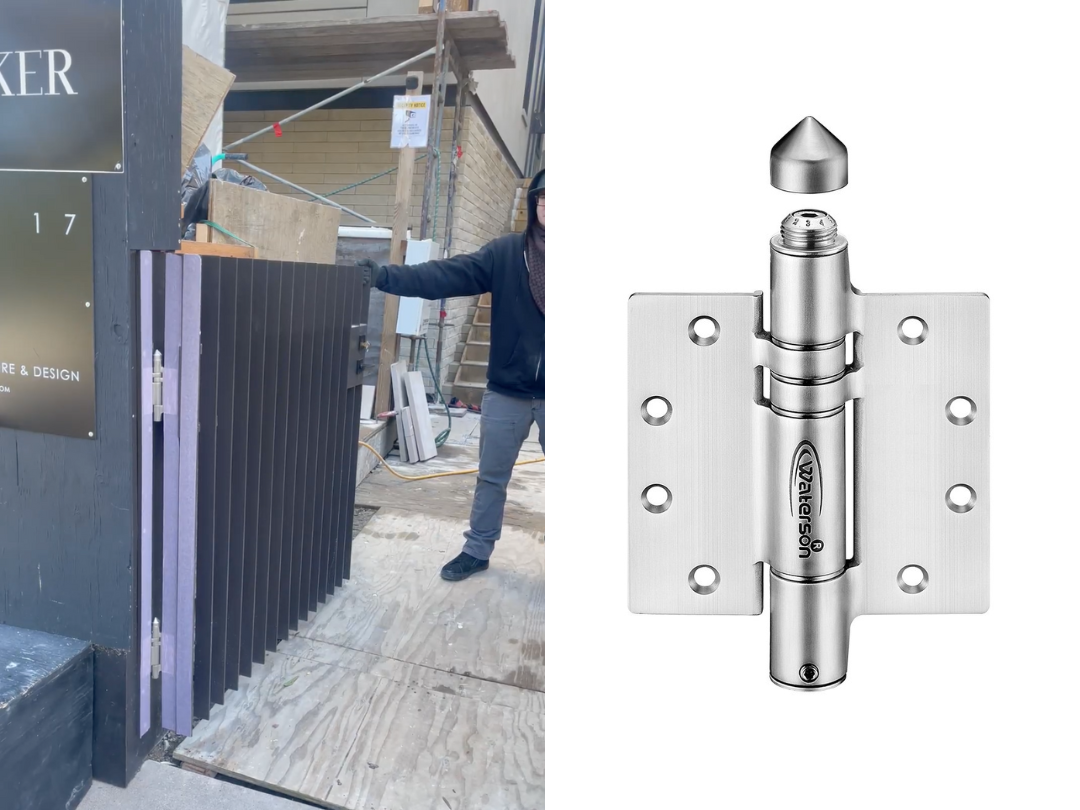
And What Is a Hot Weather Gate Hinge?
Hot weather hinges take the opposite beating: thermal expansion, UV damage, humidity-driven corrosion, and lubricants that thin out and disappear. A hinge installed perfectly in spring can start binding by August. Sun cracks finish, UV degrades rubber seals, and heat accelerates rust in ways cold weather never does.
How Your Gate Can Make You Mad Every Summer
Heat makes metals expand and push against each other. Standard lubricants evaporate. Finishes peel and expose bare metal to corrosion. Hot weather hinges counter this with:
- Corrosion-resistant materials like stainless steel or brass that handle heat and humidity
- UV-stable PVD or powder coat finishes that won’t crack or peel under direct sun
- Heat-stable silicone or Teflon-based lubricants that actually stay put when temperatures climb
- Expanded thermal tolerance so the hinge flexes with the gate instead of fighting it
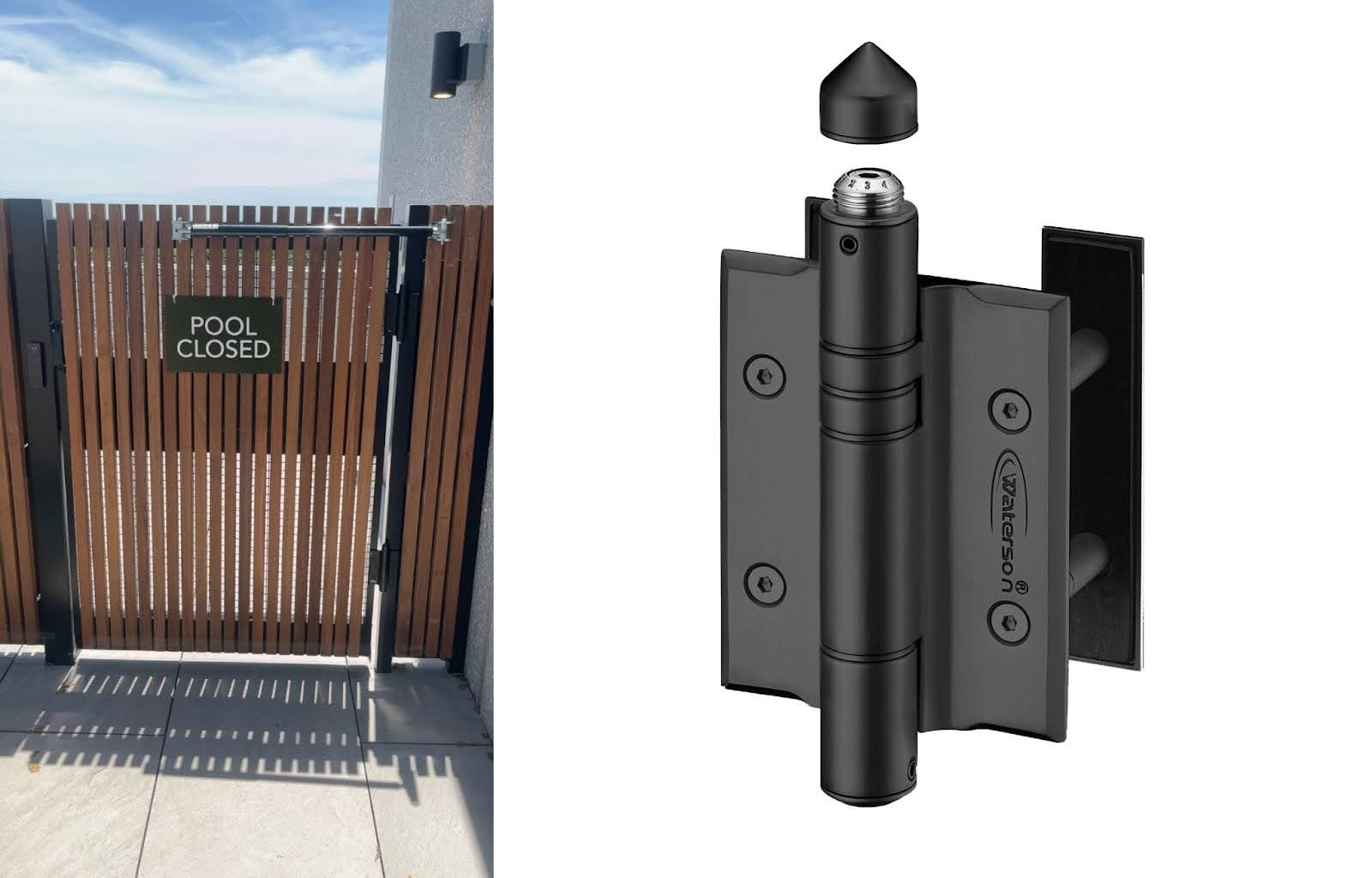
Best for: coastal properties, desert-region exteriors, pool enclosures, spa areas, and sun-baked hospitality entrances.
Do You Need to Change Your Hinge When the Weather Changes?
No, not immediately, and we should not do that due to the extremely high cost.
If the right hinge is already installed, you won’t need to change anything seasonally. A quality hinge is built to handle a range of temperatures.
But if it was never the right fit for your climate, the damage is already accumulating. Lubricants solidify. Bearings wear unevenly. Alignment drifts. You won’t feel it right away, but 2 to 3 years in, the gate starts failing daily. And most people end up replacing a bad hinge with the same bad hinge. And often, they’re replacing the same inadequate hinge with another one just like it.
Any Hinge That Works Well in Both Cold and Hot Weather in Long Term?
Yes. And the key is the material and mechanism design, not just the temperature rating on a spec sheet.
Waterson stainless steel self closing gate hinges are built for exactly this challenge: an all-weather, all-season hinge designed to perform reliably whether the temperature is well below freezing or blazing in a coastal summer.
| Challenge | Cold weather | Hot weather |
|---|---|---|
| Material | Problem Metal contracts, wood swells. Door binds or gaps at the frame. Waterson 316 stainless steel keeps dimensional stability across freeze-thaw cycles. |
Problem Metal expands, door frame tightens. Binding and fastener stress build up. Waterson Investment-cast stainless body absorbs thermal expansion without deforming. |
| Lubrication | Problem Standard grease solidifies. Bearings seize and movement becomes stiff. Waterson Dry bearing design requires no grease. Nothing to freeze. |
Problem Lubricant thins and evaporates. Metal-on-metal friction accelerates wear. Waterson Same dry bearing design. No lubricant to thin out or disappear in heat. |
| Closing Speed | Problem Hydraulic fluid thickens. Door closes slower or stalls before latching. Waterson 3-zone speed control lets you readjust closing speed in minutes with an Allen wrench. |
Problem Hydraulic fluid thins. Door slams harder in summer heat. Waterson Same 3-zone adjustment compensates. Patented deceleration prevents slamming. |
| Corrosion | Problem Freeze-thaw cycles crack surface finishes. De-icing salts accelerate rust. Waterson 316 marine-grade stainless resists chloride and salt corrosion year-round. |
Problem Heat amplifies humidity and salt air corrosion. Finishes peel and expose metal. Waterson PVD finish rated 1,000+ hours salt spray. 316 grade for coastal or pool environments. |
| Alignment Drift | Problem Repeated thermal cycling shifts hinge pins and loosens fasteners over time. Waterson Adjustable spring tension lets you re-tune alignment without replacing hardware. |
Problem Expansion stress loosens screws. Door sags gradually over hot seasons. Waterson Same tension adjustment corrects seasonal sag. No service call needed. |
| UV and Finish | Problem Cold and UV combination cracks standard coatings, exposing bare metal. Waterson PVD finishes (satin, bronze, black) hold up through harsh exterior conditions. |
Problem Direct sun fades and peels standard finishes within 1 to 2 seasons. Waterson PVD coating is UV-stable and durable. Tested beyond 1,000,000 cycles. |
| Warranty | Problem Wrong hinge in cold = visible wear within 2 to 3 years. Waterson 10-year mechanical warranty for exterior use. 1M cycle tested. |
Problem Wrong hinge in heat = lubricant failure, rust, misalignment within 2 to 3 years. Waterson Same 10-year mechanical warranty covers exterior hot-weather applications. |
Crafted with rust-resistant stainless steel, Waterson self closing gate hinges are capable of withstanding all weather conditions and corrosive industrial environments. Suitable for hotel swimming areas, seaside resorts, and chemical-heavy production workplaces.
How to Install Waterson Stainless Steel Self Closing Spring Hinges?
What you need: 2-3-4 Waterson self-closing gate hinges, provided screws, screwdriver, and 2 Allen wrenches.
Here is the Step-by-Step Guide to Install Waterosn Hinges:
- Replace the middle hinge: Remove the existing middle hinge and install the Waterson non-mechanism hinge in its place using the provided screws. Important: the middle hinge must be the non-mechanism version, not an active closer hinge.
- Replace the top hinge: Remove the existing top hinge. Mount the Waterson closer hinge in the same position and secure with the provided screws.
- Replace the bottom hinge: Repeat the same process for the bottom hinge.
- Test the closing force: Open the gate and check that it pulls itself fully closed from three positions: 20 degrees, 60 degrees, and 90 degrees.
- Adjust if needed: If the gate hesitates or slams at any angle, use the two Allen wrenches to tune the spring tension and closing speed on the hinge barrel. Retest until the gate closes smoothly every time.
And How to adjust Waterson Stainless Steel Self Closing Spring Hinges?
Use the provided 2 Allen wrenches to adjust the Waterson Gate Hinges as follows:
- Identify your hinge code: Check whether your hinge is code A, B, C, or D. The adjustment process differs slightly by code but the tools are the same across all models (K51M, K51P, K51L, K51GG, etc.).
- Adjust the closing force: Use one Allen wrench to turn the tension adjustment screw. Turn clockwise to increase closing force, counterclockwise to reduce it.
- Adjust the closing speed: Use the second Allen wrench on the speed control valve. Clockwise slows the gate down, counterclockwise speeds it up.
- Test at 3 positions: Open the gate and check it closes fully from 20 degrees, 60 degrees, and 90 degrees. If it stalls or slams at any point, go back and fine-tune.
- Re-adjust anytime: No service call needed. The whole process takes just a few minutes and can be repeated whenever the gate drifts out of spec due to seasonal changes.
Can Waterson Hydraulic Hinges Be Used on Exterior Gates?
Yes! Our hydraulic hinges can be used on exterior gates. Just keep in mind that hydraulic closer hinges only work on a certain degree of the door opening (≤ 120°) for the best performance and durability.
Additionally, hydraulic fluid naturally flows slower in cold temperatures and faster in hot temperatures, which means the closing speed may vary with day and night temperature changes. This is a common characteristic of all hydraulic products.
If needed, closing speed can be adjusted using the Allen wrench included in the package.
Waterson Heavy Duty Gate Hinges for Cold Weather vs Hot Weather Hinges
Heat and cold damage gate hinges in different ways, but the fix is the same: choose the right hinge once instead of replacing it every few seasons. Stainless steel construction, a dry bearing design, and adjustable spring tension let one hinge handle both freezing winters and hot, humid summers. For gates that see freezing temperatures, choose mechanical sets, which carry a 10-year warranty indoors and outdoors. Hydraulic sets add a softer close where temperatures stay above 32°F (0°C). Near the coast, around pools, or where de-icing salt is used, specify 316 stainless steel.
The most common cause is that the gate frame or gate itself has shifted slightly due to thermal contraction or wood swelling, moving the latch out of alignment with the strike plate. Adjusting the strike plate position or tightening hinge hardware usually resolves it.
In many cases, yes. Loose or worn hinges allow the gate to sag, which worsens in cold weather. Replacing or adjusting hinges, especially with adjustable self-closing models, can restore correct alignment and reliable latching.
For most interior and standard exterior applications, 304 is sufficient. For coastal environments, pool surrounds, chemical-heavy facilities, or any location with regular salt air exposure, 316 marine-grade provides meaningfully better long-term corrosion resistance.
Consider inspecting and lubricating hinges monthly or bi-monthly for coastal or humid climates, every 2–3 months for desert or hot conditions, and every 3–4 months for temperate climates. Waterson’s dry bearing design eliminates the need for regular greasing on most models.
| Type | Cold weather behavior |
|---|---|
| Mechanical (self-close) |
Stable. Minimal impact from temperature change |
| Hydraulic (soft-close) |
Closes slower in cold, faster in heat. May need seasonal speed readjustment |
Mechanical hinges are more set-and-forget across seasons. Hydraulic hinges offer smoother, more controlled motion but benefit from periodic adjustment as temperatures shift.
Request For Information
Please note that Waterson Closer Hinges start from a size of 4″x4″. If you’re in need of smaller self-closing hinges, we’d recommend checking out some other resources! Also, we only provide single acting closer hinges. Thank you.
Recent Post
Spring Loaded Door Hinges for Multifamily Residential Buildings
For multifamily buildings, specify self-closing spring hinges listed for use on fire-rated doors and adjustable to ADA closing speed and opening force. They replace a [...]
Cold Weather vs Hot Weather Hinges: How to Deal with Seasonal Change?
Most people only notice their Gate hinges when something's already broken. The gate won't close, the latch misses the strike plate, and the hinge squeaks [...]
Why Are Doors and Gates Harder to Close in the Winter
Most commercial self-closing hinges still adopt either spring or hydraulic damper for [...]