
“I need 4 hinges for this door. It’s less than 1 mile from the ocean. The door is very heavy, 150-200 lbs. They are 4″ hinges, and need the same screw pattern. The top two hinges are ball bearing template pattern. The bottom two closer hinges are in a staggered pattern.”
We believe the request our customer shared highlights something many builders and contractors face: not all hinges on a door share the same hole pattern, and when they do not, the screw layout simply does not line up. So, what exactly makes a staggered door hinge different, and when should you be reaching for one?
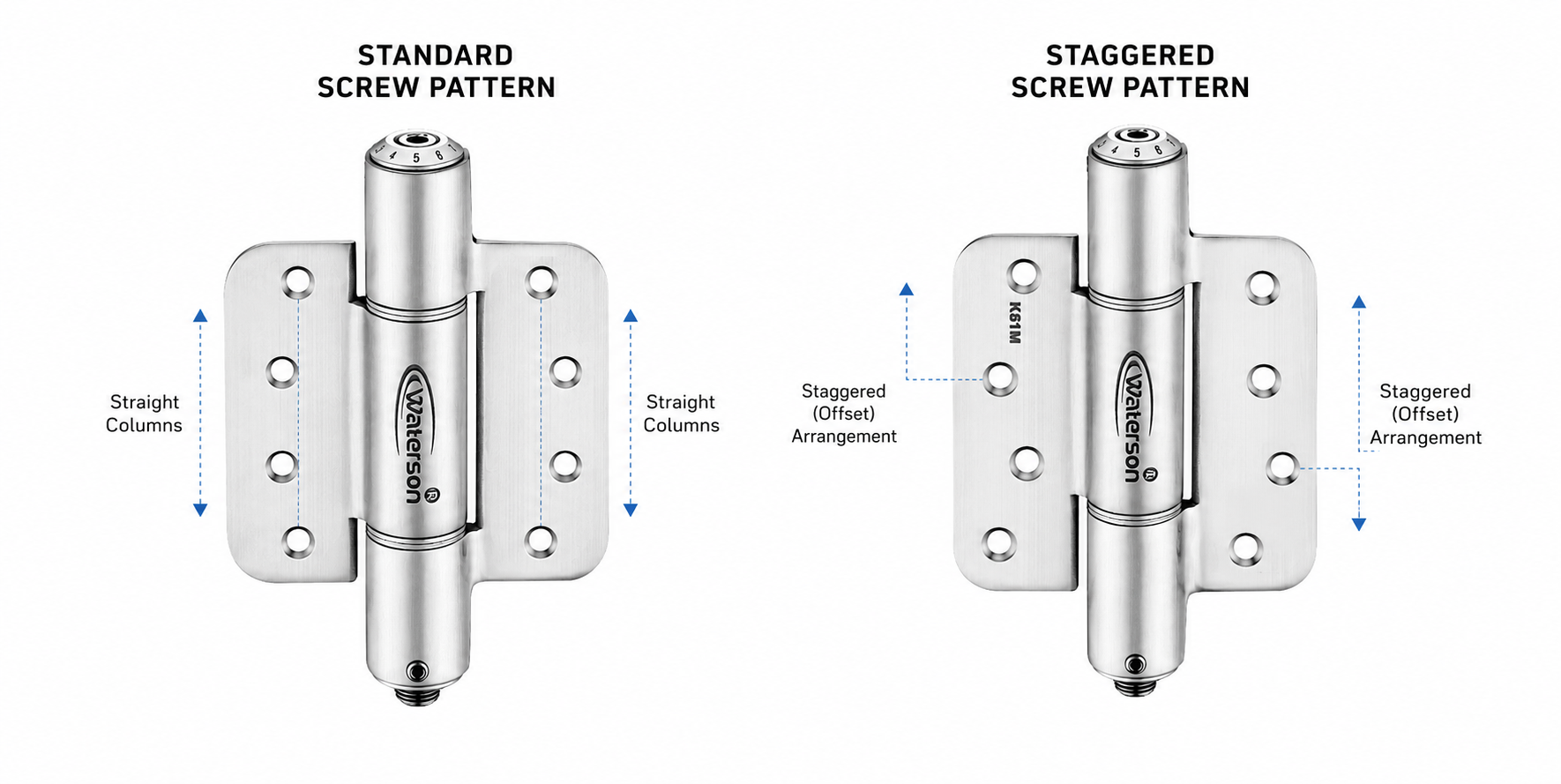
Why Staggered Door Hinges Hold Better Than Standard Ones
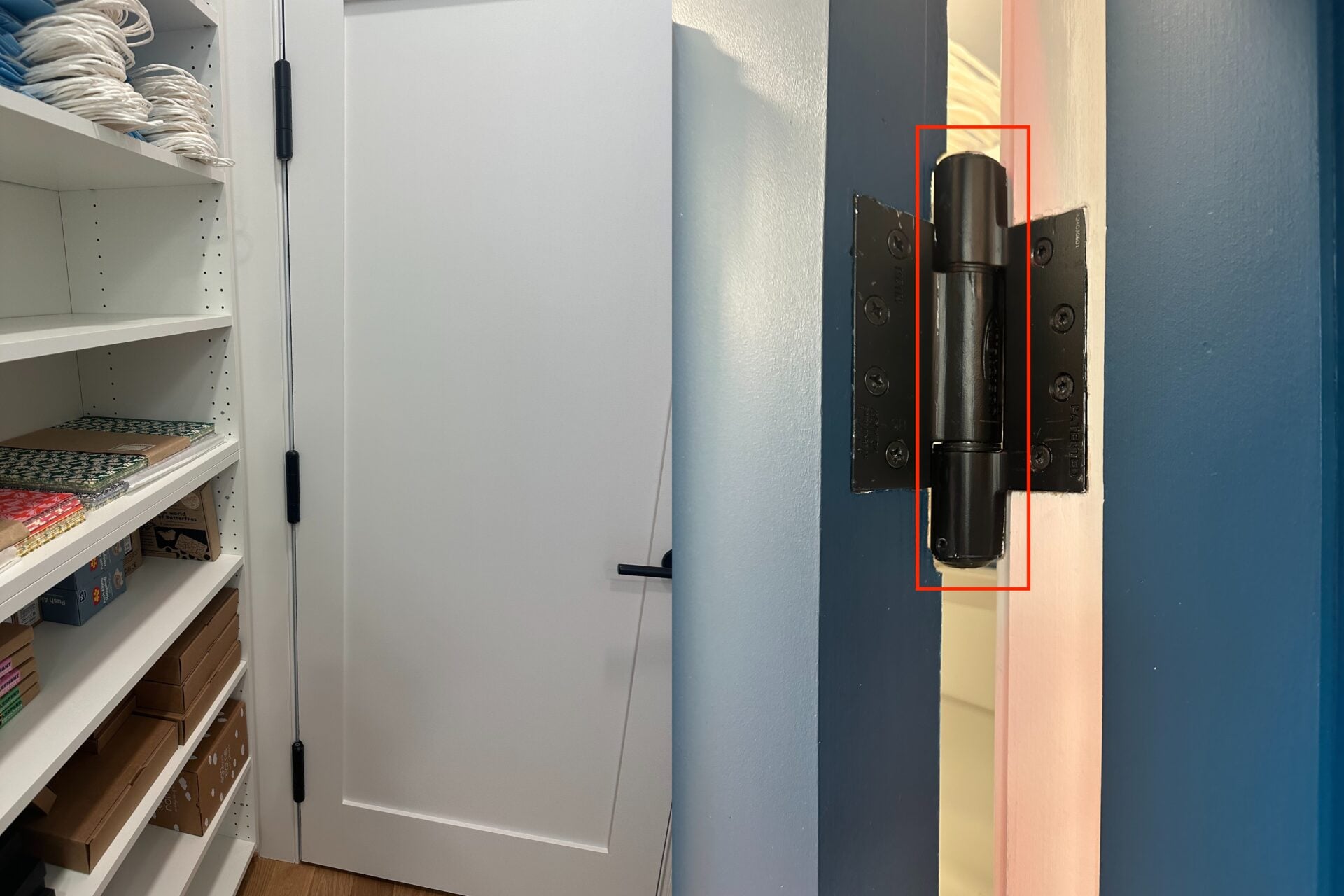
When standard door hinges use a template hole pattern in a straight or slightly curved line, staggered door hinges work differently. The screw holes are arranged in a zigzag pattern, so each screw lands in a different position than a standard hinge would. This way, when you install a replacement hinge, the screws go into fresh, solid material instead of the old holes.
Therefore, when a replacement hinge does not match the original screw pattern, you only have two options: either you fill the old holes and hope the screws hold, or you use a hinge that does not sit flat against the door, and neither is good. Meanwhile, staggered hinges avoid both problems by shifting the screw positions just enough to hit clean material every time. They are also a smart choice for heavy doors from the start, since spreading the screws across different points means no single spot takes all the stress.
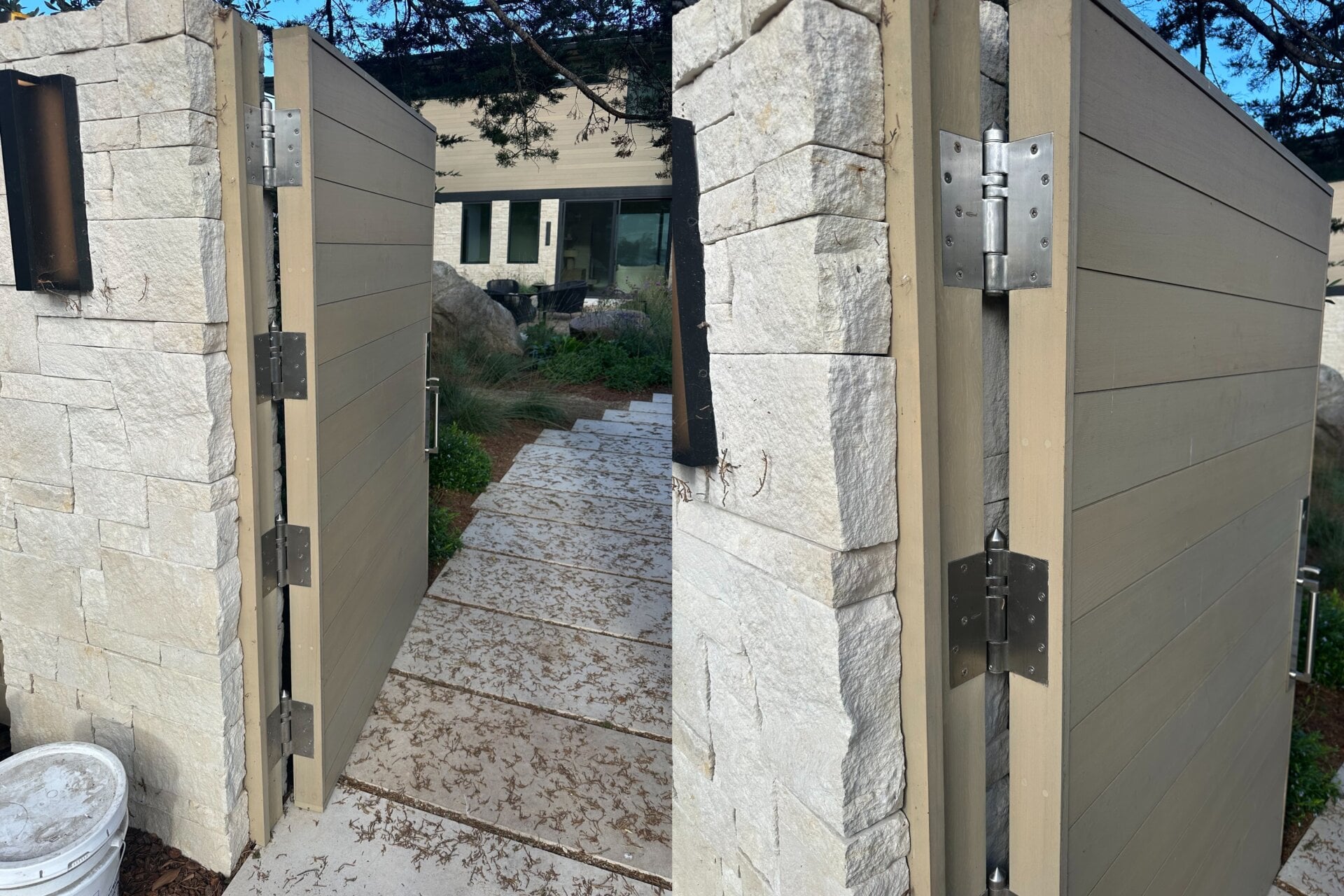
Where Should You Use Staggered Door Hinges?
Staggered door hinges are most frequently specified for interior doors, particularly in commercial and high-traffic settings where hinge replacement over time is expected. Specific applications include:
- Interior corridor and hallway doors in hotels, hospitals, and office buildings, where high cycle counts lead to periodic hinge replacements
- Hollow metal door frames where re-tapping or re-drilling the same screw locations weakens the frame over time
- Mixed hinge sets where ball bearing butt hinges at the top are paired with closer hinges at the bottom, and the two products use different hole layouts
- Renovation projects replacing older hardware where the existing mortise dimensions and screw positions do not align with current template standards
- Multi-family residential entry doors where landlords or property managers need a drop-in replacement that holds without patching
What to Look For When Buying Staggered Door Hinges
Before purchasing staggered door hinges, there are a few key factors worth checking:
- Screw pattern compatibility. Measure the existing hole positions carefully. Staggered patterns vary, and confirming the offset dimensions against your frame avoids a second trip to the supplier.
- Material grade. For exterior or near-coastal applications, 316 marine-grade stainless steel is the minimum standard. For interior use, 304 stainless is typically sufficient.
- Door weight rating. Heavier doors, 150 lbs and above, require hinges rated for that load. Do not assume a standard residential hinge covers a solid wood or steel-core commercial door.
- UL and fire rating. If the opening is fire-rated, confirm the hinge carries the appropriate UL listing. Not every staggered hinge is fire-rated by default.
- Finish and aesthetics. Hinges on visible doors should match the surrounding hardware. Waterson offers satin stainless, black, bronze, and custom finishes to ensure a clean, consistent look.
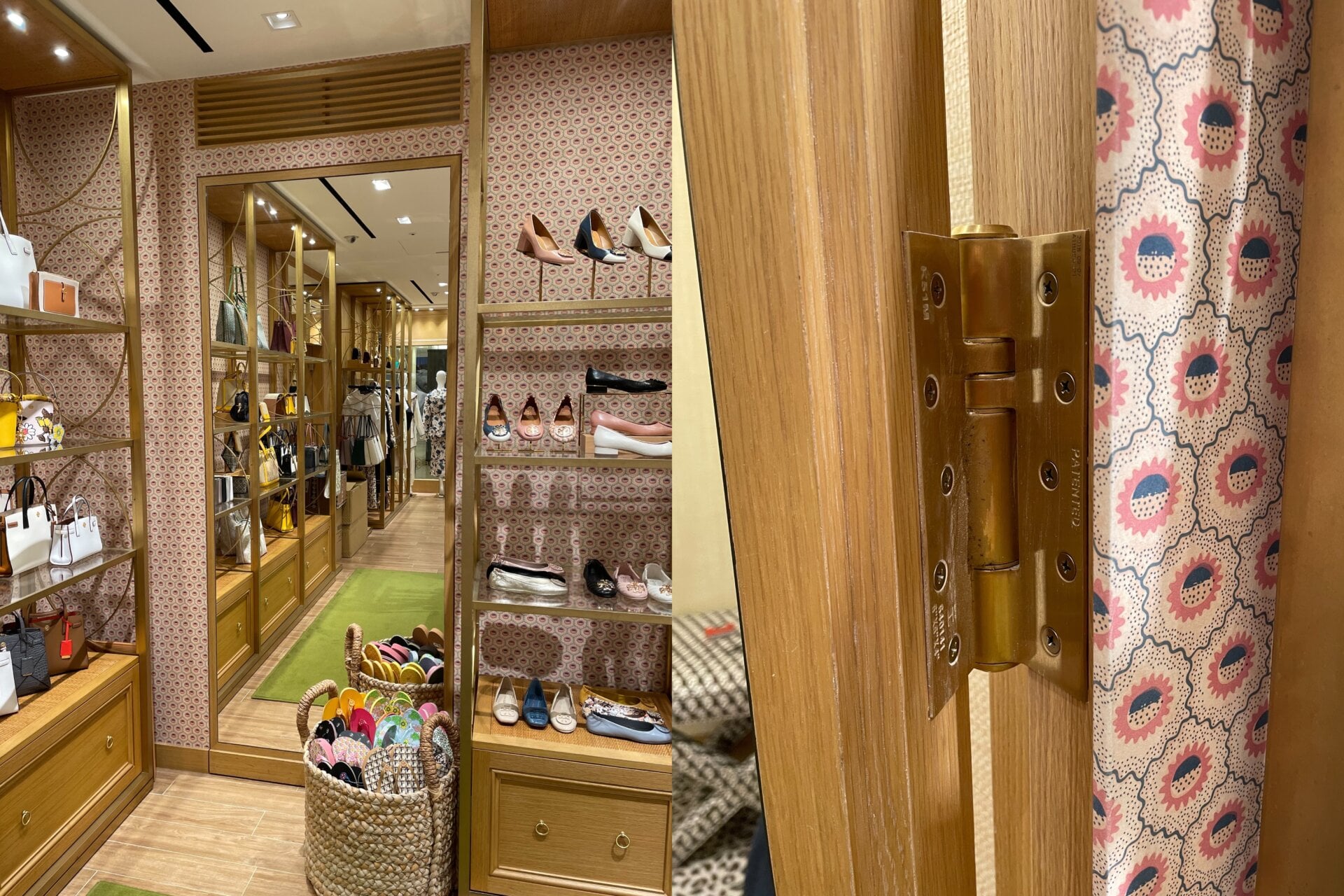
When Waterson Stainless Steel Staggered Door Hinges Come to Real Use
The scenario at the top of this article is a good real-world example. A heavy 150-200 lb door, sitting less than a mile from the ocean, needs hinges that can handle both the load and the salt air. The customer needed 4″ hinges with the same screw pattern as the existing hardware, but the top pair used a ball bearing template layout while the bottom pair required a staggered door hinge pattern. So the screw positions simply did not line up.
Waterson stainless steel staggered door hinges are built for situations like this, investment-cast stainless steel, fully enclosed hydraulic mechanism, consistent self-closing performance, and no compromise on hold strength at the screw points.
Some of Waterson staggered door hinge key features include:
- Staggered/zigzag hole pattern for clean installation in previously drilled or worn door frames without patching
- Investment cast stainless steel construction (304 or 316 grade) for superior strength and corrosion resistance compared to sheet metal alternatives
- Hydraulic soft-close mechanism for smooth, controlled closing with adjustable speed and backcheck
- ADA and ICC A117.1 compliant for opening force and closing speed requirements
- UL-listed for 3-hour fire-rated doors where applicable
- ANSI/BHMA A156.17 Grade 1 certified with over 1,000,000 cycle tests for long-term durability in high-traffic applications
- Non-handed design that can be inverted, simplifying installation on both left- and right-handed doors
- Load capacity up to 440 lbs for heavy commercial and gate applications
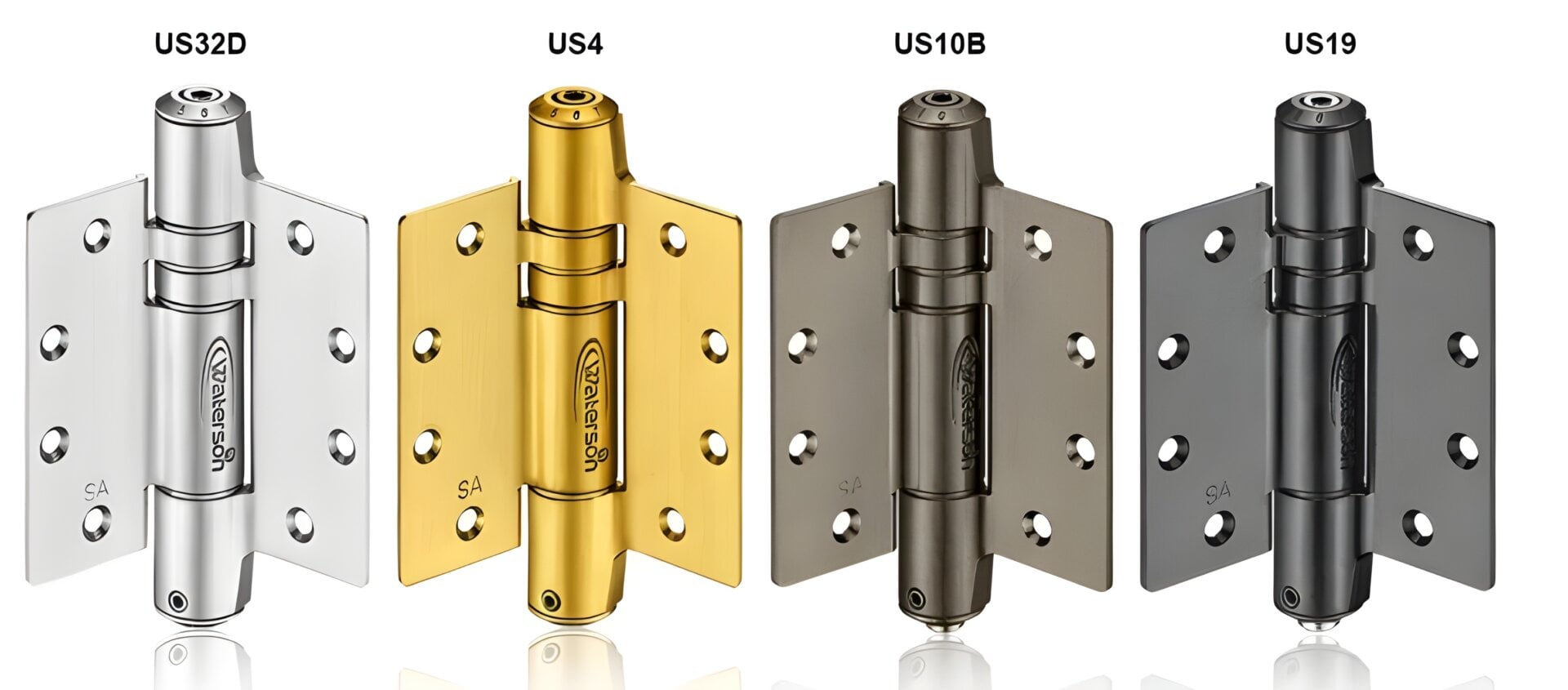
- Multiple finishes: satin stainless, black, bronze, brass, and custom options
- Warranty: 10 years for mechanical self closing, 3 years for hydraulic soft closing
What Are the 3 Types of Staggered Door Hinges that Waterson Offers
Waterson offers staggered door hinges in three corner radius options to match different door and frame profiles:
1. Square Template (Square Corner)
The most common commercial specification. Square corners fit standard steel door frames and hollow metal frames where the hinge mortise has sharp, 90-degree edges. This is the go-to choice for most commercial interior replacement projects.
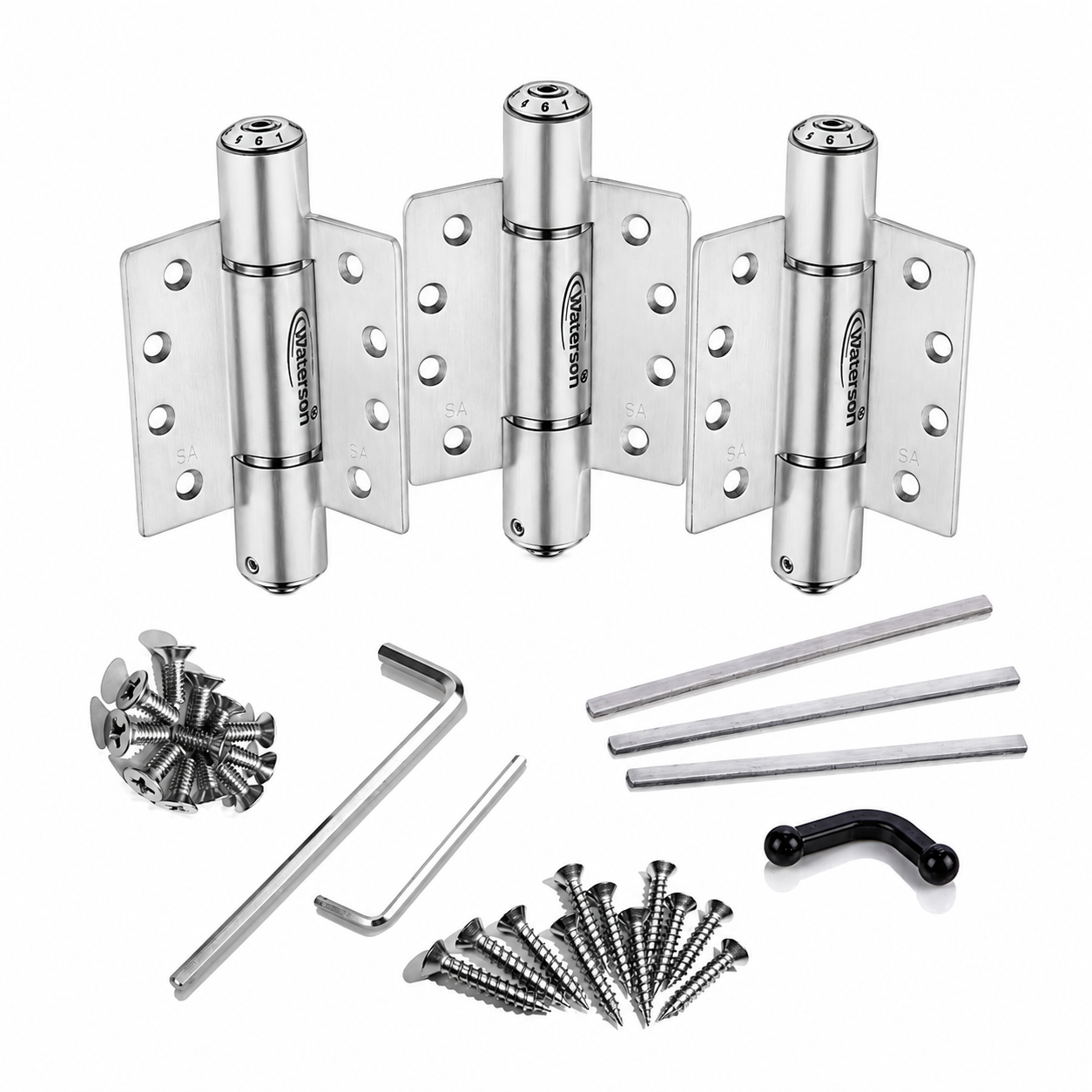
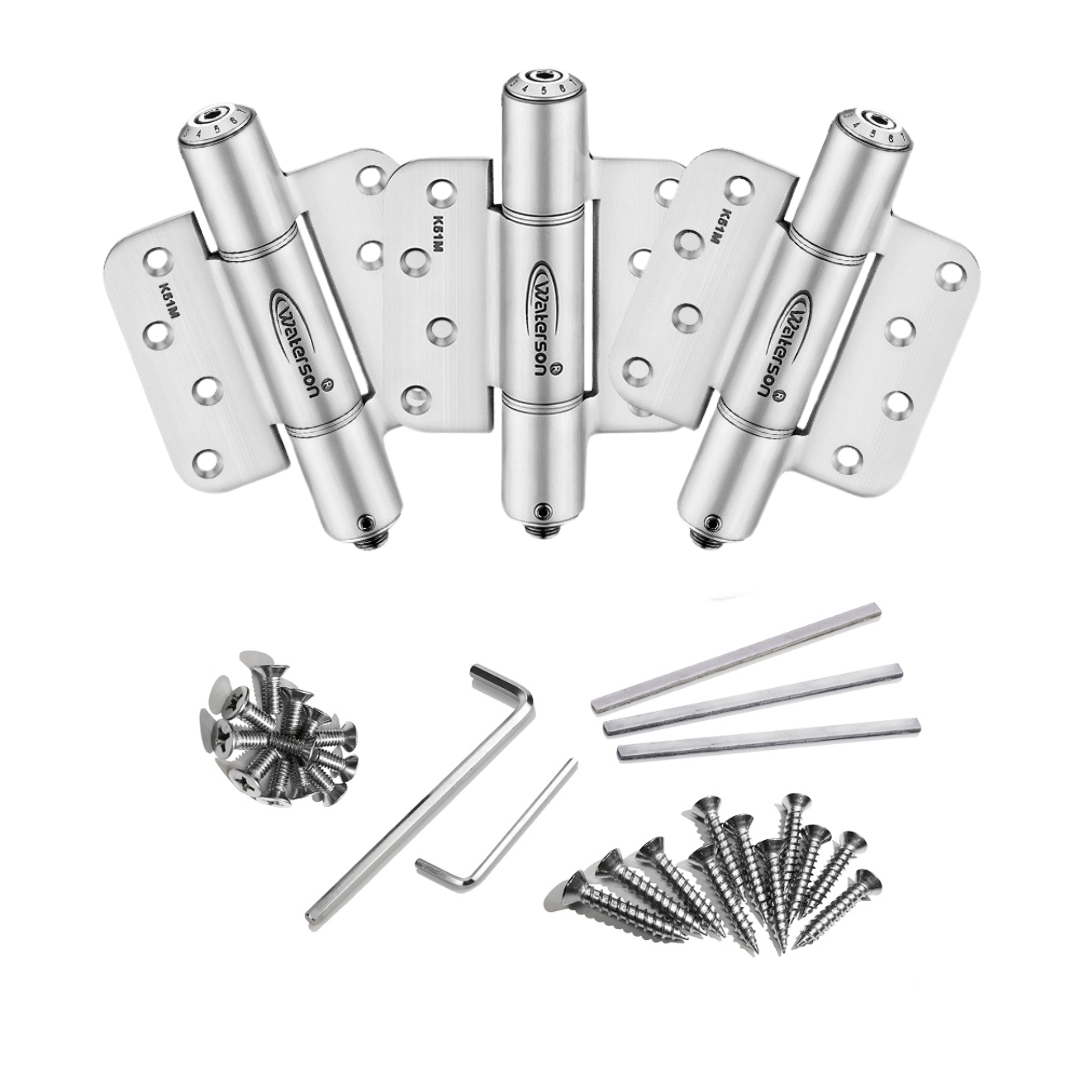
2. 5/8″ Radius Hinges
A rounded corner option designed for door frames with a 5/8″ radius at the mortise corners. Common in mid-century commercial construction and in certain residential steel door systems. Using the correct radius prevents gaps at the corner and ensures a flush, professional fit.
3. 1/4″ Radius Hinges
The tightest radius option, suited for lighter commercial or residential wood door frames where the router or mortise cut leaves only a slight curve at the corners. Matching the radius precisely avoids the need for chiseling or modification at installation.
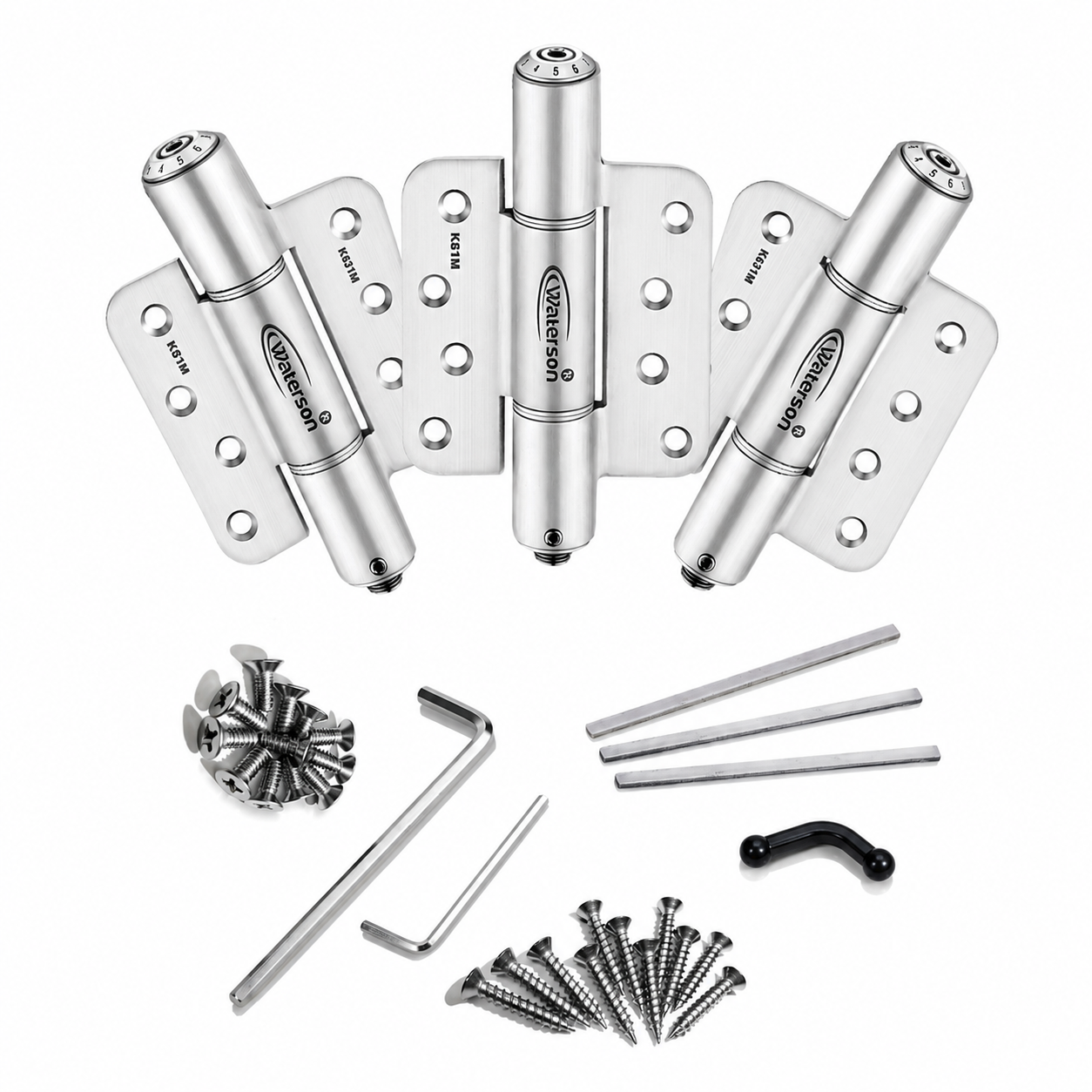
Whether you are working on a new installation or replacing worn hardware, the right corner radius comes down to your door frame profile. Square template fits most standard commercial frames, 5/8″ radius matches older or mid-century steel systems, and 1/4″ radius is the better call for wood frames with a light mortise cut. When in doubt, measure the existing mortise corners before ordering, since getting the radius wrong means extra work at installation that nobody wants.
Waterson Stainless Steel Self Closing Staggered Door Hinges
Waterson self closing door hinges combine the function of an overhead closer and a hinge into a single, sleek component—complete with optional hold-open and door-stop features. Designed for commercial openings, gates, and glass doors, these hinges are easy to install and adjust to meet ADA and ICC A117.1 standards for opening force, while ensuring quiet and secure closure. Crafted from durable stainless steel, they are NFPA 80 compliant, UL 3-hour fire-rated, and built to perform reliably in both interior and all-weather exterior environments. See all our features.
In addition to these performance advantages, Waterson offers flexible custom hinge services. As a direct manufacturer, we can tailor hinge sizes, finishes, and especially hinge leaf designs to meet the specific structural needs of your doors. This makes our hinges an ideal solution for door manufacturers seeking custom options that integrate seamlessly with their existing frames.
Request For Quote
Please note that Waterson closer hinges start from a size of 4″x4″. If you’re in need of smaller self-closing hinges, we’d recommend checking out some other resources! Also, we only provide single acting closer hinges. Thank you.
Recent Post
Can Waterson Self Closing Gate Hinges Work on a Chain Link Fence
"Hi, we're closing out a commercial lot and the spec calls for self closing hinges on the entry gates. These are customized metal gates: a [...]
Waterson Self Closing Hinges Canada Policy
Waterson provides self-closing hinges for architectural and construction projects across Canada. Below is an overview of how we support Canadian customers, from shipping and certification [...]
Retrofit: Is Your Standard Hinge Clearance Enough for the Waterson Hinge Barrel
"I bought these to replace standard 4 inch hinges, which, when open are 4 inches wide x 4 high. The Waterson hinges are 4 5/16 [...]