
Most doors slam because of air pressure from an open window or HVAC system, a closer or spring that is set too strong, or hinges that have worked loose. Felt pads and door stoppers can soften the noise, but the lasting fix is a soft closing hinge that slows the door down through its entire swing.
Few sounds in a home are as jarring as a door banging shut. It wakes the baby, startles the dog, and if little fingers happen to be in the way, it can cause a painful injury. Over time, all that impact also takes a toll on your door, frame, and hardware.
The good news is that a slamming door is almost always fixable. Once you know what is causing it, you can choose the right solution and enjoy a quieter, safer home.

Why Does My Door Keep Slamming?
Before you buy anything, it helps to figure out what is actually pushing your door shut. In most homes, it comes down to one of these four causes.
1. An Open Window or a Change in Air Pressure
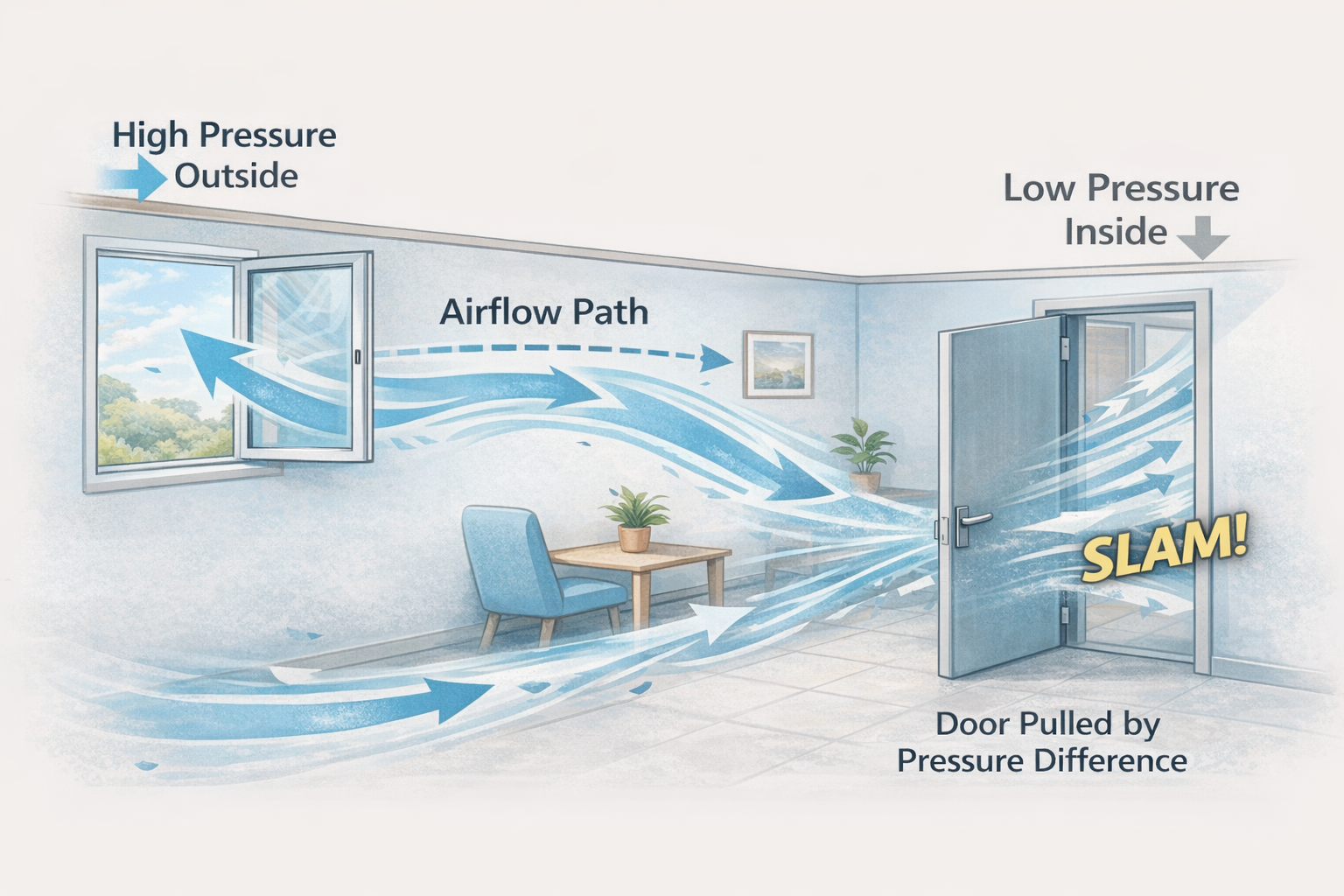
This is the most common reason interior doors slam on their own. When you open a window, outside air flows through the house and creates a pressure difference on each side of the door. That airflow can push or pull the door shut with surprising force. Learn more about why your door slams when the window is open.
2. A Closer or Spring That Is Too Strong
Storm doors, screen doors, and some entry doors use a closer or spring to shut automatically. If the closing speed is set too fast, or the closer is worn out, the door will rush through the last few inches and bang into the frame. Here is why your storm door slams shut and how to fix it.
3. Nothing to Slow the Door Down
Standard hinges only let a door swing. They have no way to control speed, so once a door starts moving, nothing stops it from hitting the frame at full force.
4. Loose or Sagging Hinges
Over time, hinge screws loosen and doors begin to sag. A door that is out of alignment can swing unevenly and close harder than it should. If your hinges are also squeaking, check out our guide on how to stop squeaky door hinges.
Quick Fixes You Can Try Today
If you need relief right now, these simple steps can help:
- Add felt pads or rubber bumpers to the door frame to cushion the impact and reduce noise.
- Tighten the hinge screws so the door hangs straight and swings evenly.
- Adjust your door closer if you have one. Most closers have a screw or valve that controls closing speed.
- Use a door stopper to keep the door open on windy days when windows are open.
Why Quick Fixes Usually Don’t Last
Quick fixes treat the symptom, not the cause. Felt pads make the bang quieter, but the door still closes just as fast. A door stopper only works while it is in place, and closers wear out and drift out of adjustment over time. Here is how the most common options compare:
| Solution | Reduces noise | Slows the whole swing | Handles wind and drafts | Visible hardware |
|---|---|---|---|---|
| Felt pads or bumpers | Yes | No | No | Small |
| Door stopper | Only while in use | No | Only while in use | Yes |
| Pneumatic or overhead closer | Partly | Yes, until it wears out | Limited | Yes, bulky |
| Soft closing hinge | Yes | Yes | Yes | No, looks like a regular hinge |
How to Stop Slamming on Different Doors Around Your Home
Whether it is a bedroom door or a backyard gate, every slamming door is dealing with the same few forces: air pressure, a closing force that is too strong, and nothing to slow it down. The fix is the same too. What changes from door to door is how heavy the door is and how much weather it faces.
To make it easy, we have grouped the doors in your home into three areas. Find yours below and jump to the guide that fits.
| Where in your home | Doors | Main challenge | Detailed guide |
|---|---|---|---|
| Inside your home | Bedroom, nursery, bathroom, and hallway doors; garage-to-house door | Drafts from open windows and air conditioning; fire safety on the garage door | Door slamming from drafts Garage entry doors |
| Front of your home | Front and entry doors, storm doors, screen doors | Direct wind and closers that wear out quickly | Storm doors Screen doors |
| Backyard and outdoors | Patio doors, glass doors, garden and pool gates | Open exposure to wind, glass safety, and gates that must latch | Patio doors Glass doors Gates |
Inside Your Home
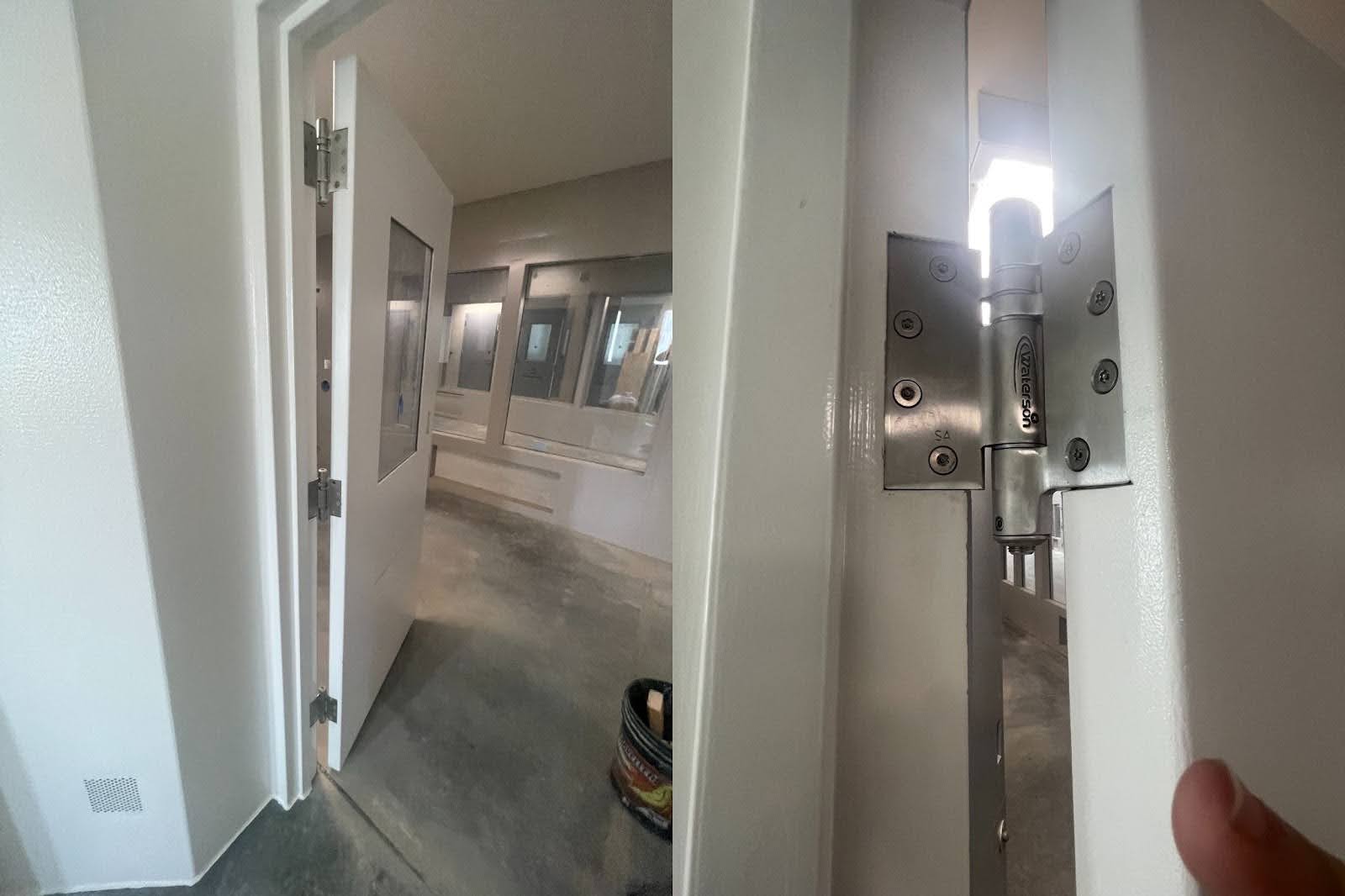
Bedroom, nursery, and hallway doors are light, so even a gentle draft from an open window or air conditioner can send them flying shut. Soft closing hinges let these doors close quietly no matter how strong the draft, which makes a big difference in kids’ rooms and during nap time.
The door between your garage and house is a special case. In many areas, it must be fire-rated and close on its own. Self-closing hinges meet this requirement without a bulky overhead closer, but hold-open features are not allowed on fire-rated doors. See our garage entry door solution for details.
Front of Your Home
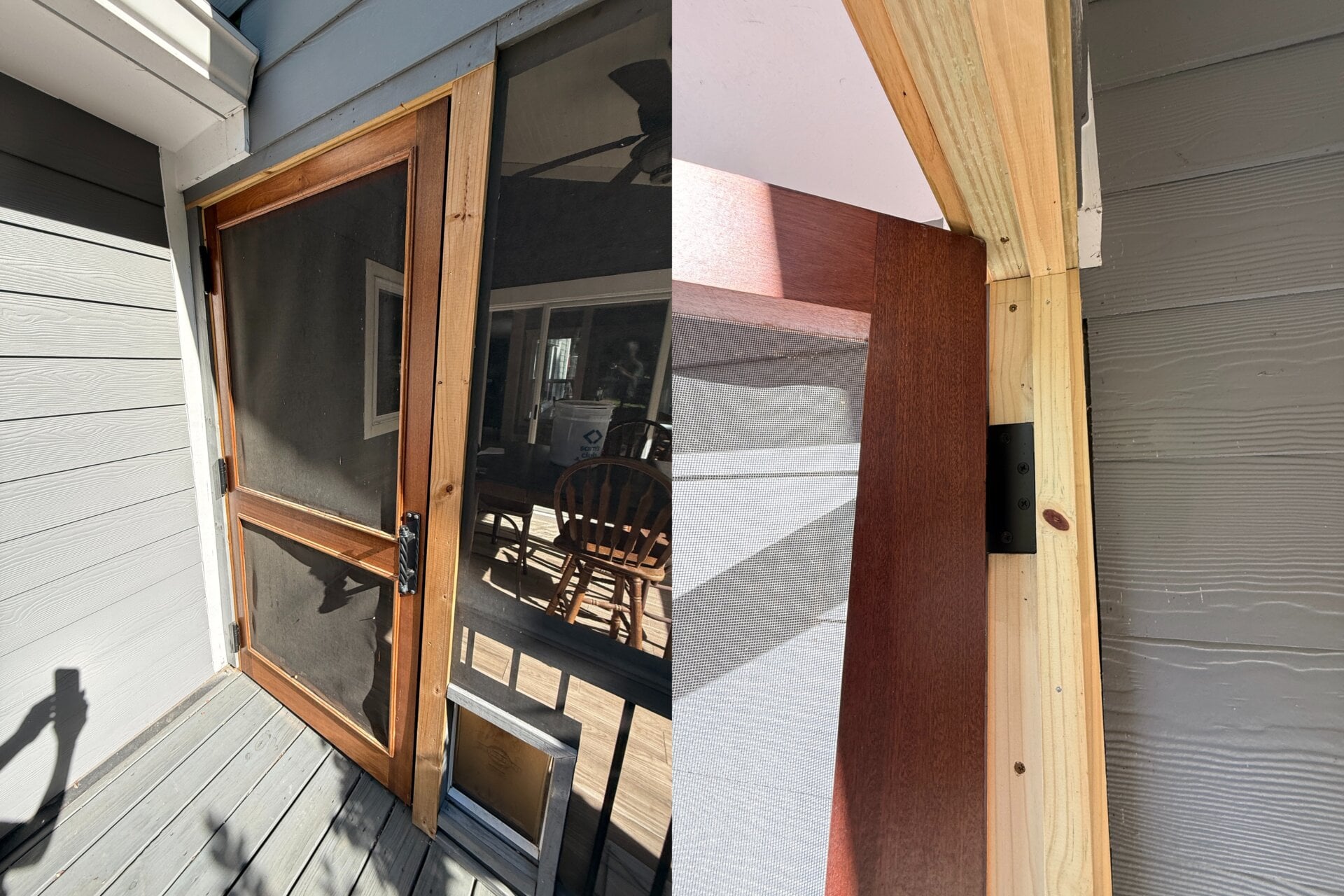
Front doors are heavier and take wind head-on, so they need hinges strong enough to control their weight and built to handle the weather. Storm and screen doors have the opposite problem: they are light and usually rely on pneumatic closers that fail early. Read how to stop a screen door from slamming, or browse our storm door hinges guide if you are ready to upgrade.
Backyard and Outdoors
Patio doors and gates sit in the most open spots around your home, where wind hits hardest. Learn how to stop your patio door from slamming in the wind. Glass doors need extra care, because a hard slam can crack the panel; here is how to stop glass doors from slamming. Pool gates are often required to close and latch on their own, so reliable closing control matters for safety too. See how we fixed a slamming entrance gate in a residential community.
The Long-Term Fix: Soft Closing Hinges
Instead of adding a separate closer, Waterson anti slam door hinges build closing control right into the hinge. They replace your standard hinges, so there is nothing extra hanging off the door or frame. Key features include:
- Speed Adjustment: 7 speed control settings let you fine-tune how fast the door closes. Learn more about self closing hinge adjustment.
- Hydraulic Hinge: An oil-controlled braking system slows the door smoothly, so it closes quietly instead of banging.
- ADA Compliance: Meets ADA requirements for a closing time of more than 5 seconds, giving children, older family members, and anyone with limited mobility time to get through safely.
- Hold Open: Keeps the door open at 85 to 90 degrees when you need it, for example while carrying groceries. Not suitable for fire-rated doors such as garage-to-house doors.
- Stainless Steel: Made from 304 or 316 stainless steel for both interior and exterior doors.
Please note that Waterson hinges start from a size of 4″ x 4″ and are designed for single acting doors.
A Real Example From a Homeowner
One homeowner contacted us after the self-closing arm on their storm door failed for the third time. Each replacement meant drilling new holes in the frame, and they were running out of room. Moving the closing control into the hinge solved both problems: no more slamming, and no more extra holes. Read the full story in why does my storm door slam shut.
Frequently Asked Questions
Request For Information
Please note that Waterson Closer Hinges start from a size of 4″x4″. If you’re in need of smaller self-closing hinges, we’d recommend checking out some other resources! Also, we only provide single acting closer hinges. Thank you.
Recent Post
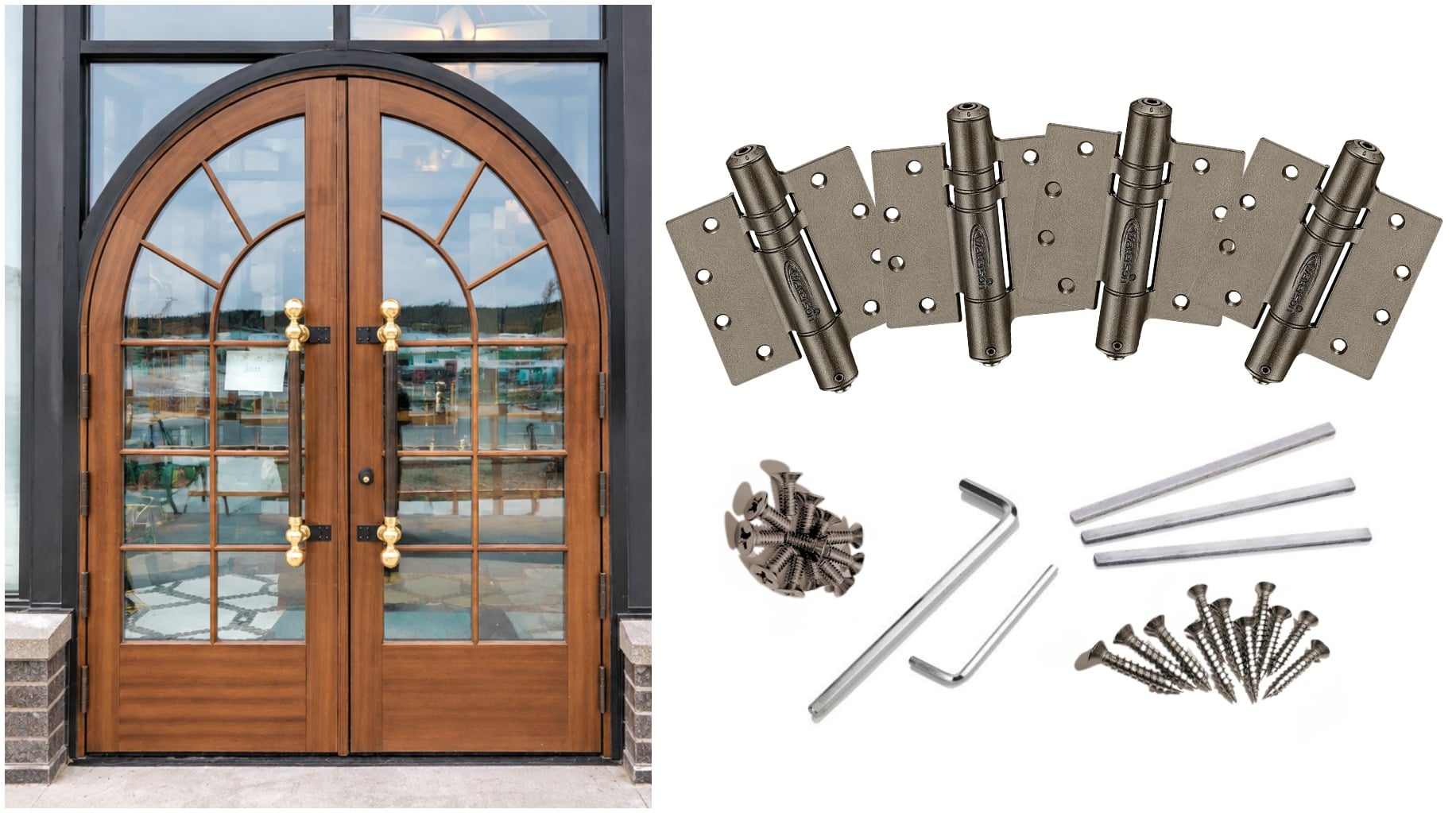
Oil Rubbed Bronze Door Hinges in Real Spaces: Hotels, Homes and Storefronts
Quick Answer Waterson oil rubbed bronze door hinges, listed as US10B hinges on most hardware schedules, are self-closing stainless steel hinges with a deep brown-black [...]
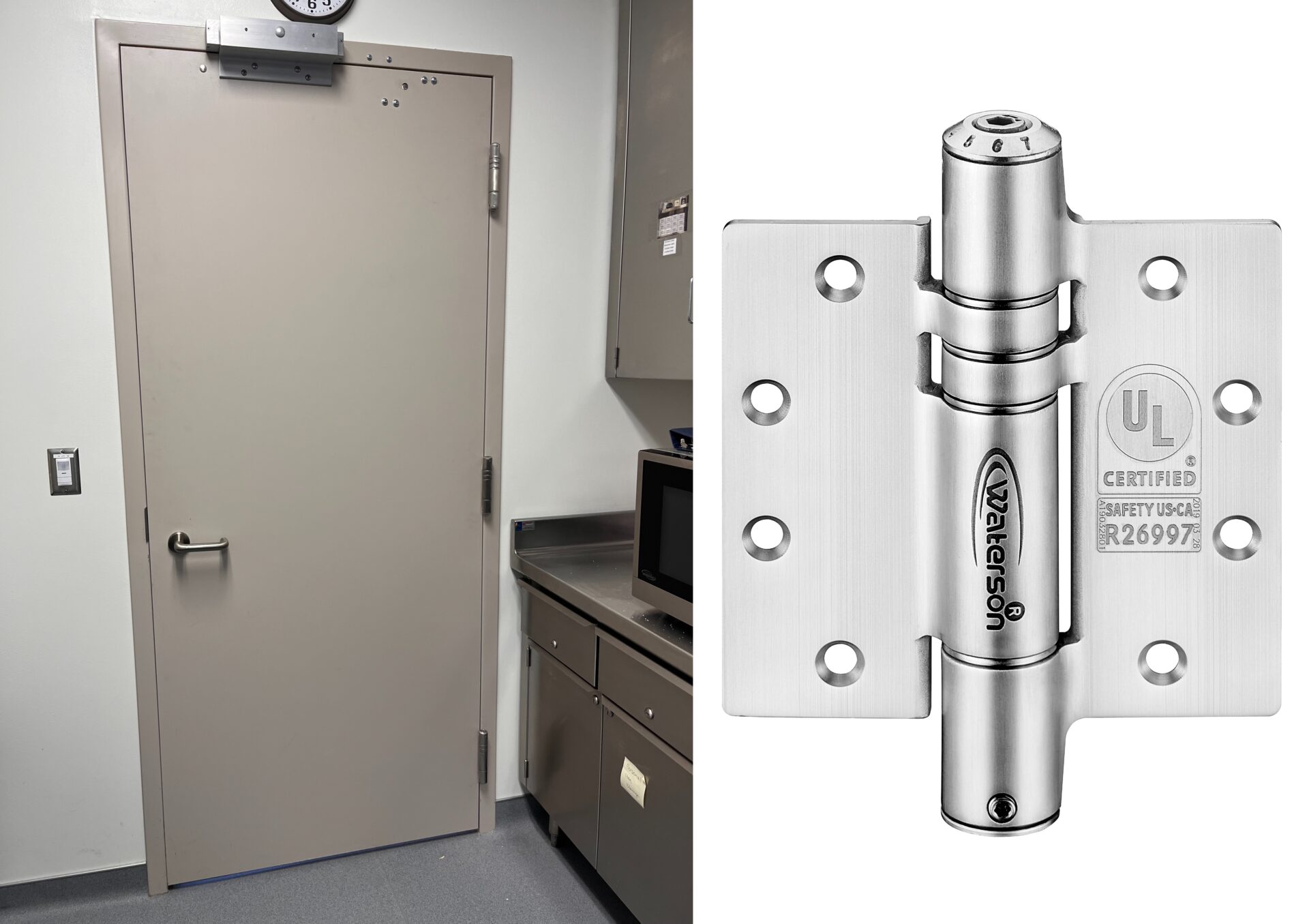
How to Fix a Door Not Closing Flush: Causes, Fixes & When to Upgrade
Quick Answer A door that won't close flush is usually caused by loose hinge screws, a misaligned strike plate, swollen wood, or in high-rise buildings, [...]
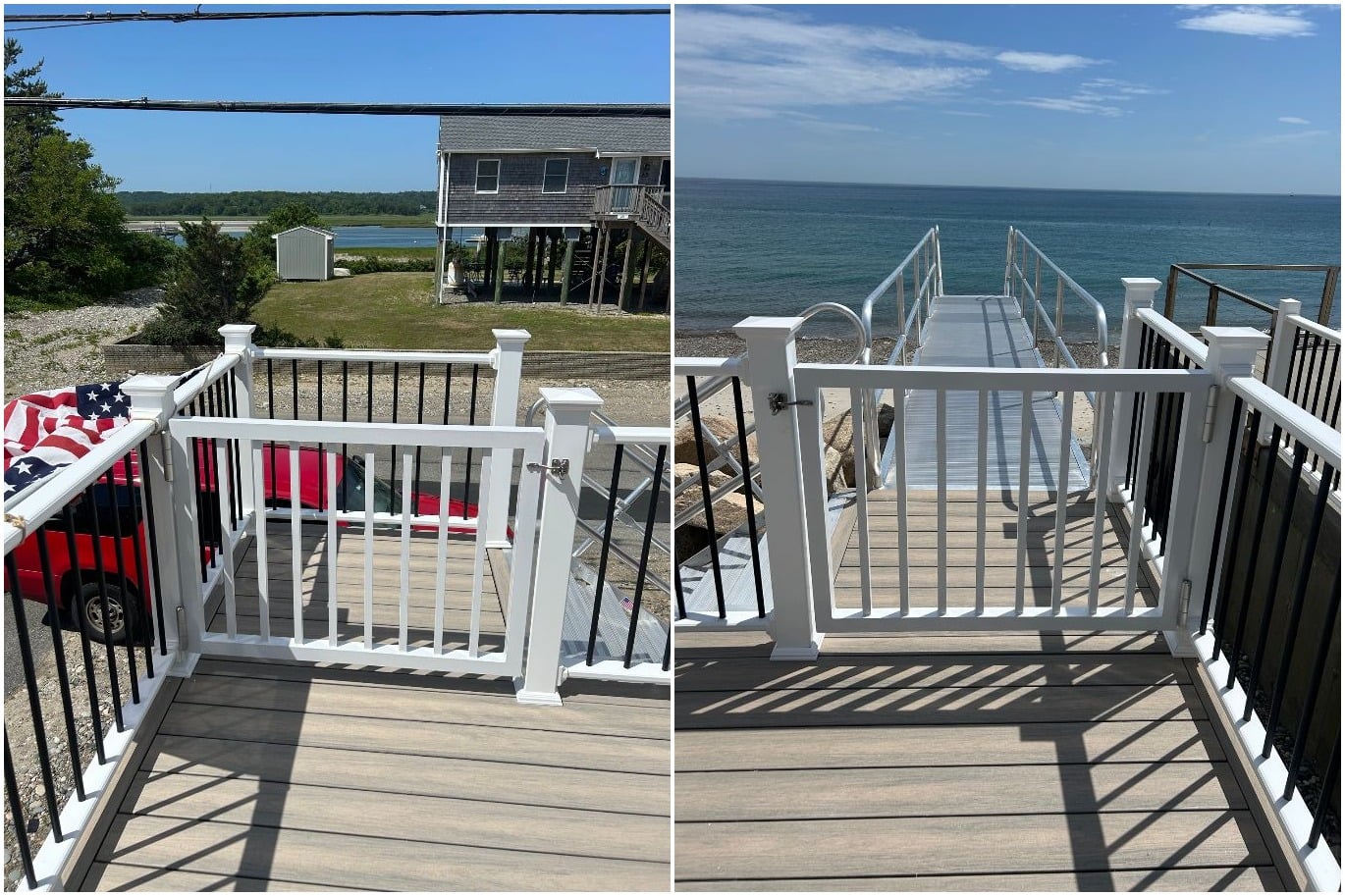
Vinyl Gate Hinges vs Full Surface Gate Hinges: Which Fits Your Gate
Quick Answer Standard vinyl gate hinges suit light residential gates, while heavy duty self-closing full surface gate hinges, such as Waterson's K51P (up to 260 [...]