
Anti-slam door hardware is designed to prevent doors from slamming shut. It’s a great feature in homes, especially with children, as they protect little fingers from being caught in doors. There are several types of anti-slam door hardware; the most common are door closers, door stops, and damper hinges.

What Happens Without Anti-Slam Door Hinges?
QUICK ANSWER: Without anti-slam hinges, doors can trap fingers, wear out doors and frames, and slam loudly. Anti-slam hardware controls the closing speed so the door settles quietly instead of banging shut.
The absence of anti-slam hinges can pose risks, such as increased chances of finger trapping and injuries, especially for children. The resulting forceful closing of doors can cause damage to both doors and frames, leading to higher maintenance costs. Moreover, the disturbing noise of slamming doors disrupts the tranquility of any space.
- Injuries: Potential for finger trapping, especially for children.
- Damage: Increased wear on doors and frames.
- Noise: Disruptive slamming sounds.
What Are the Different Types of Anti-Slam Door Hardware?
QUICK ANSWER: The three common options are door closers, door stops, and damper hinges. Damper hinges use hydraulic fluid to control the door’s movement for a smooth, quiet close, which is the category Waterson soft close hinges belong to.
Door closers control the speed and force of a door, but at the expense of aesthetics — this problem is generally due to the bulky marriage of power output and speed control mechanisms.
Door stops usually engage with a small pin attached to the hinge to hold the door open, but you may not want the hold-open feature at all.
Damper hinges work by using hydraulic fluid to control the door’s movement, ensuring a smooth and quiet closing.
Innovative Waterson soft close front door hinges belongs to the damper hinge category, providing a practical and safe solution for door control, as well as adding aesthetic value to the home. Read how our slam free system prevents slamming. Which One Is Better? Self-Closing Or Soft Closing Hinge?
These different types of anti-slam hardware are available in various sizes, designs, and materials to suit different types of doors and interior styles.
How Do You Choose Anti-Slam Hinges for Exterior Doors?
QUICK ANSWER: Specify all-mechanical stainless steel closer hinges for exterior doors. Use 316 stainless at coastal or chemical sites and add weather-resistant caps at wet locations. Hydraulic hybrid hinges are for interior use only.
Start with door size and weight, then decide on closing feel. Mechanical sets give firm, consistent closing and work on fire-rated doors when ordered without hold-open. Hydraulic hybrid sets add damping for a softer close and suit latchless or lightweight interior doors in stable temperatures.
And How Do You Choose Anti-Slam Hinges for Interior Doors?
The benefits of anti-slam door hinges extend beyond noise reduction. They protect against injuries, particularly in homes with children, and contribute to the longevity of door frames by preventing the jarring effects of a slammed door. By installing these hinges, homeowners enhance the comfort and safety of their living environment.
- Noise Reduction: a quieter living environment
- Safety: Protects fingers, especially for children.
- Longevity: Reduces wear on doors/frames.
- Comfort: Enhances peaceful living environments.
What Does Waterson Offer for Both Exterior and Interior Doors?
Waterson soft close front door hinges systems come in two robust speed control models: mechanical and hydraulic hybrid. The mechanical version uses friction for speed regulation, excelling in harsh environments. The hydraulic hybrid hinges, with oil flow control, offer smooth motion, ideal for windy areas and latch-less doors.
Other Opening Applications
Which Anti-Slam Hinge Should You Specify?
Size the set by door height and weight first, then choose mechanical for exterior and fire-rated openings or hybrid for a softer close indoors. Request a quote, download 5″ spec sheets and CAD files, or talk to a Waterson product specialist about your opening in Download.
Mechanical hinges control closing speed with springs and adjustable friction, while hybrid hinges add hydraulic damping for a softer close. Mechanical sets work indoors and outdoors and can be used on fire-rated doors when ordered without hold-open. Hybrid sets are for interior use only, where temperature varies less than 20°F, and suit latchless or lightweight doors.
Yes, if you specify all-mechanical sets without hold-open. Waterson K51M mechanical hinges are UL listed to UL 10B and UL 10C for doors up to 3 hours and comply with NFPA 80. Hold-open sets must not be used on rated doors. Confirm with Waterson before using any hybrid set in a rated assembly.
Waterson 5″ x 5″ sets fit doors 1-3/4″ to 2-1/4″ thick. Three-hinge sets cover doors up to 4′0″ x 7′0″ and 260 lbs. Four-hinge sets cover doors up to 4′0″ x 8′0″, rated to 260 lbs or 330 lbs depending on configuration. Contact Waterson for larger or heavier doors.
Yes, with all-mechanical stainless steel sets. Specify 316 stainless for coastal or corrosive sites and add the weather-resistant cap at wet locations. Do not use hydraulic hybrid hinges outdoors. Contact Waterson before specifying hinges for large exterior doors exposed to high wind gusts or doors taller than 10 feet.
In most cases, yes. K51M leaves follow ANSI/BHMA A156.7 template dimensions, so they fit standard full-mortise preps without reworking the door or frame. Confirm the leaf gauge (0.146″ or 0.190″), corner type, and hinge count for the door height before ordering, and check that existing mortise depth matches the new leaf.
Request For Quote
Please note that Waterson closer hinges start from a size of 4″x4″. If you’re in need of smaller self-closing hinges, we’d recommend checking out some other resources! Also, we only provide single acting closer hinges. Thank you.
Recent Post
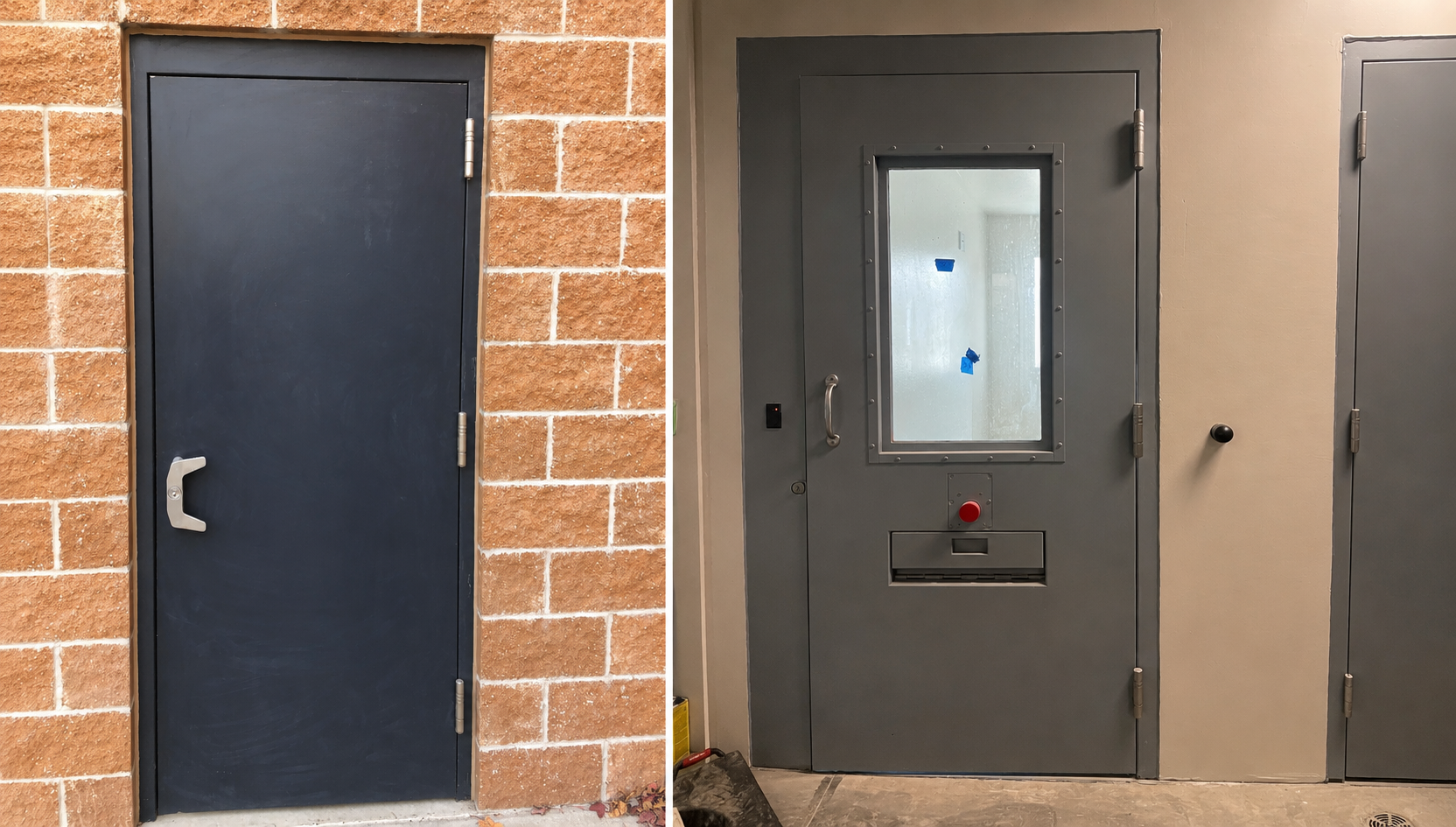
How Many Self Closing Hinges Per Door? The NFPA 80 Rule vs. Waterson Sets for Fire & Arched Doors
Quick Answer Choosing a Waterson self-closing hinge set takes two steps. First, door height sets how many Waterson hinges you need: 2 for a 6 [...]
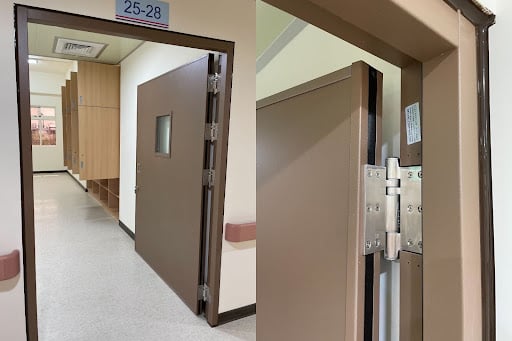
NFPA 80 Residential Fire Door Requirements: 13 Point Inspection Checklist
Quick Answer NFPA 80 is the standard that defines minimum requirements for fire door installation, inspection, and maintenance in buildings. It requires fire doors to [...]
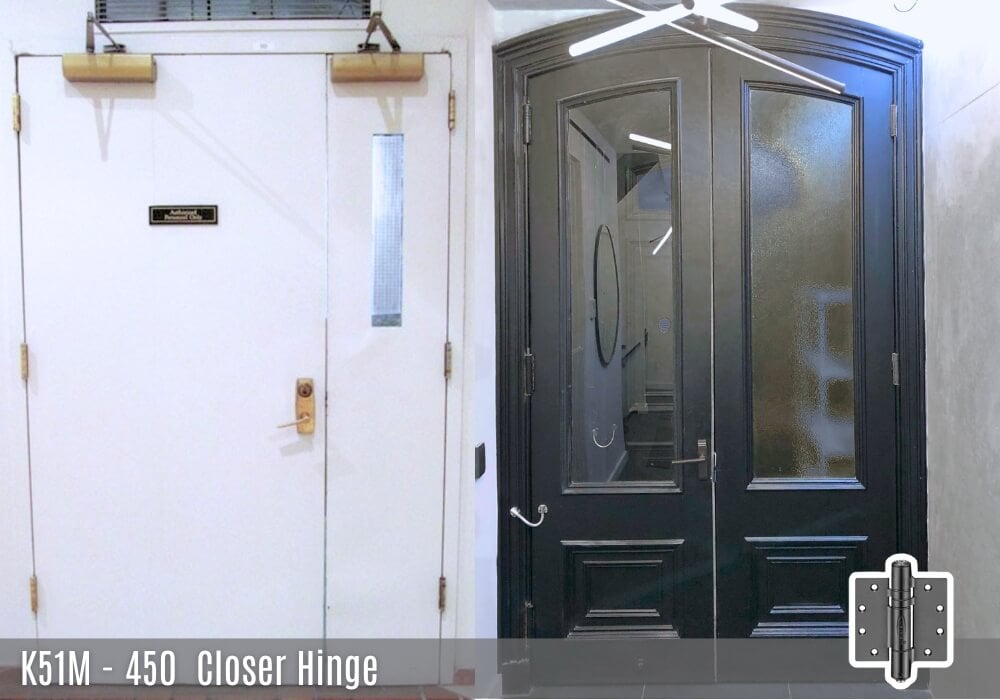
Unequal Double Door Hinges: How to Self Close Both Leaves with No Overhead Closer
Quick Answer An unequal double door is a pair with one wide active leaf and one narrow inactive leaf, sized so the active leaf alone [...]