
Quick Answer
Doors slam when a window is open because the airflow creates a pressure difference across the door, and standard spring hinges can only add tension, not control closing speed, so they can’t stop wind driven slamming. Waterson soft closing hydraulic hinges solve this by controlling the door’s full swing arc, absorbing wind force with a hydraulic damper instead of letting it build momentum. They support up to 330lbs, are ADA compliant, fire rated up to 3 hours, and work on both left and right swing doors without frame modification.
“My issue is similar to a garage door situation: when the windows are closed in the room the door requires extra spring tension to fully shut and latch on its own. This creates a situation where when the windows in the room are open the door slams quite loud and I’d like to eliminate this problem.”
Sound familiar? You’re not alone, and it’s rarely just because of the door itself. The real culprit is hiding in plain sight: your open window, the wind gets in and causes the door to slam. Why does your door slam when the window is open? And how can weld we solve the problem? let’s get into it.
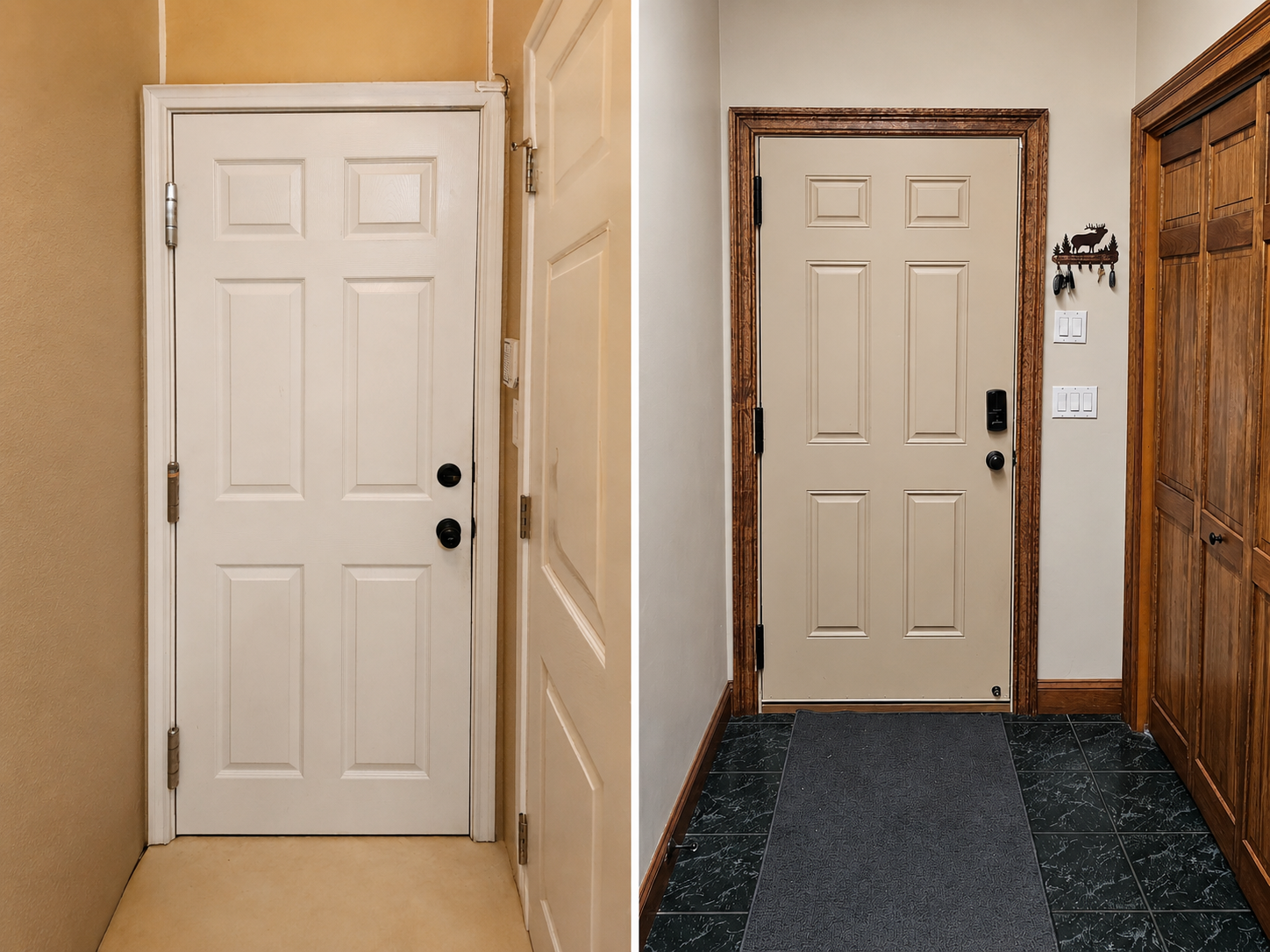
Why Does My Door Slam When the Window Is Open?
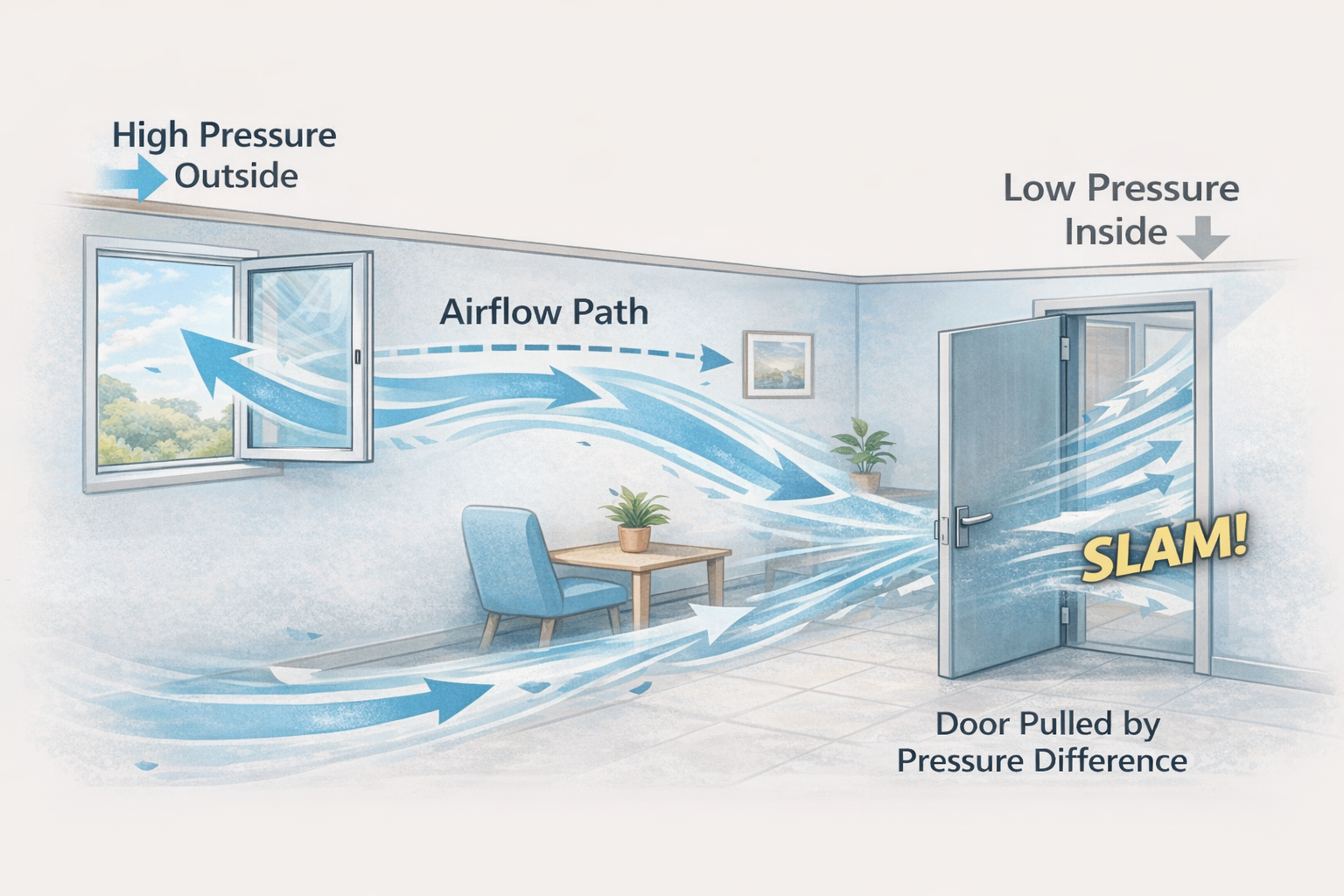
The moment you open a window, your room stops being a sealed space. Outside air pushes in and looks for somewhere to go. Your door is exactly that somewhere.
Air moves from high pressure to low pressure. An open window on a windy day creates positive pressure on one side of your door and negative pressure on the other. That gap between the two sides is what slams the door shut, sometimes hard enough to rattle the frame.
This is different from what happens in building corridors or large commercial entrances. Here, the trigger is smaller: one room, one window, one pressure shift. But the force it generates on a lightweight interior door can be surprisingly violent, and the slamming gets worse the wider the window is open.
Why a Standard Spring Hinge Does Not Actually Fix It
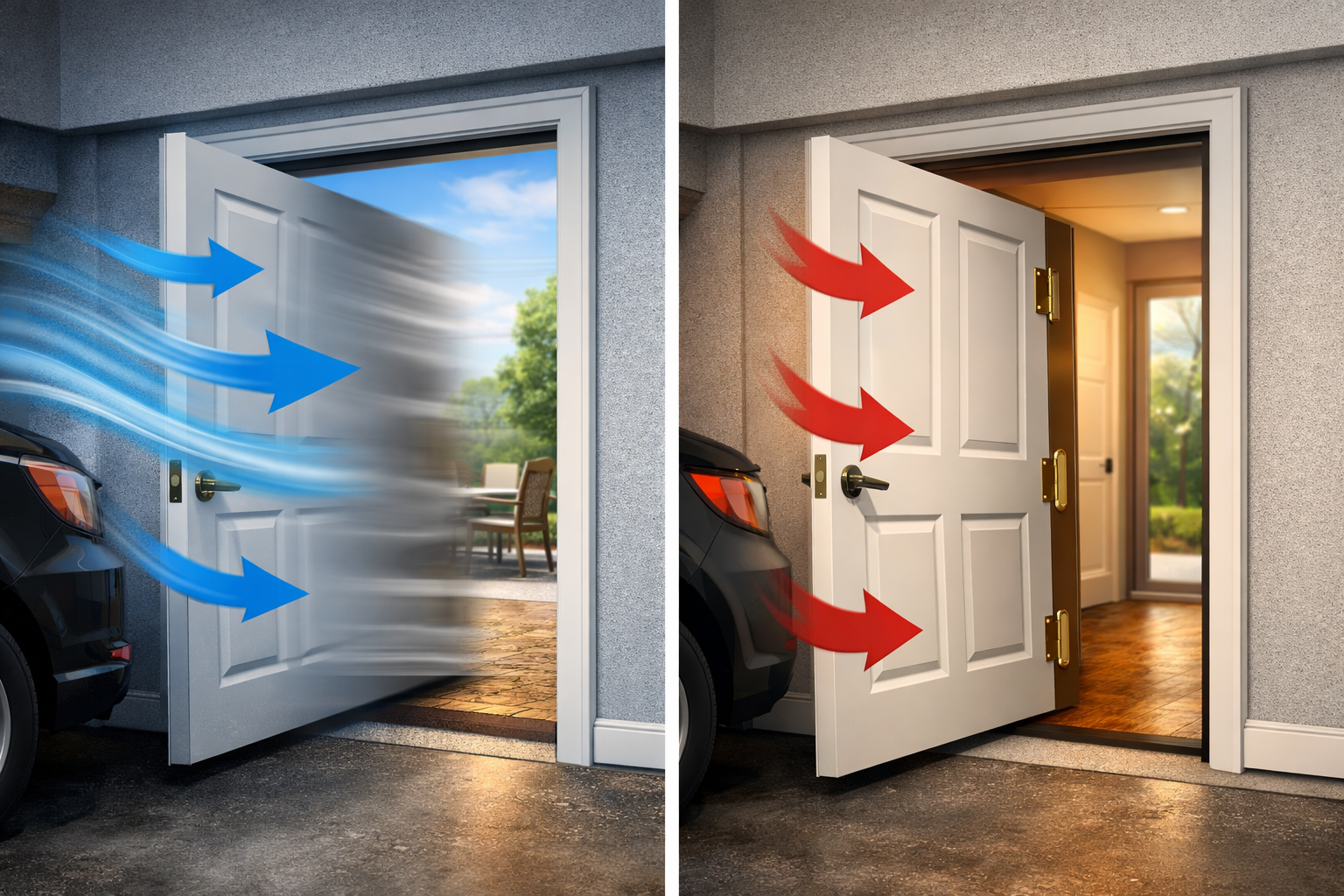
The instinct is to tighten the spring so the door has more resistance. This works when the windows are closed. But the moment you open the window again, that same pressure surge overcomes the added tension with greater force, so the door still slams, just with a louder impact.
The reason is simple: standard spring hinges can only hold the door, sometimes control the latch, but cannot control the closing speed. They cannot slow down a door being pushed by an air pressure differential. That is why the problem keeps coming back no matter how many times the hinge is adjusted.
How a Hydraulic Mechanism Actually Helps With Wind Slamming Doors
A hydraulic hinge works differently from a spring. Instead of just pulling the door shut, it controls the speed of the door throughout the entire swing, not just at the end.
When wind pressure pushes your door, the hydraulic core absorbs that force and converts it into a slow, steady close. The door does not build up momentum. It does not accelerate toward the frame: it just closes quietly.
This is the key difference compared to mechanical types: mechanical resistance only kicks in near the latch position. By then the door is already moving fast. Hydraulic damping works from the start of the swing, which is where the pressure from an open window actually hits.
Does the Problem Happen Differently in Certain Rooms?
Yes, rooms with cross-ventilation (a window on one side, a door gap on the other) experience stronger airflow than rooms with only one opening. Kitchens and bedrooms on upper floors tend to be worse because warm air rises and creates an additional draft pulling toward the door.
If the slamming only happens on certain sides of the house or gets worse the wider the window is open, the airflow path through the room is amplifying the force on the door. The solution is not fighting the airflow; it is controlling what the door does when that force hits.
The good news: the fix works the same regardless of the room.
How Waterson Soft-Closing Hydraulic Door Hinges Fix a Door That Slams
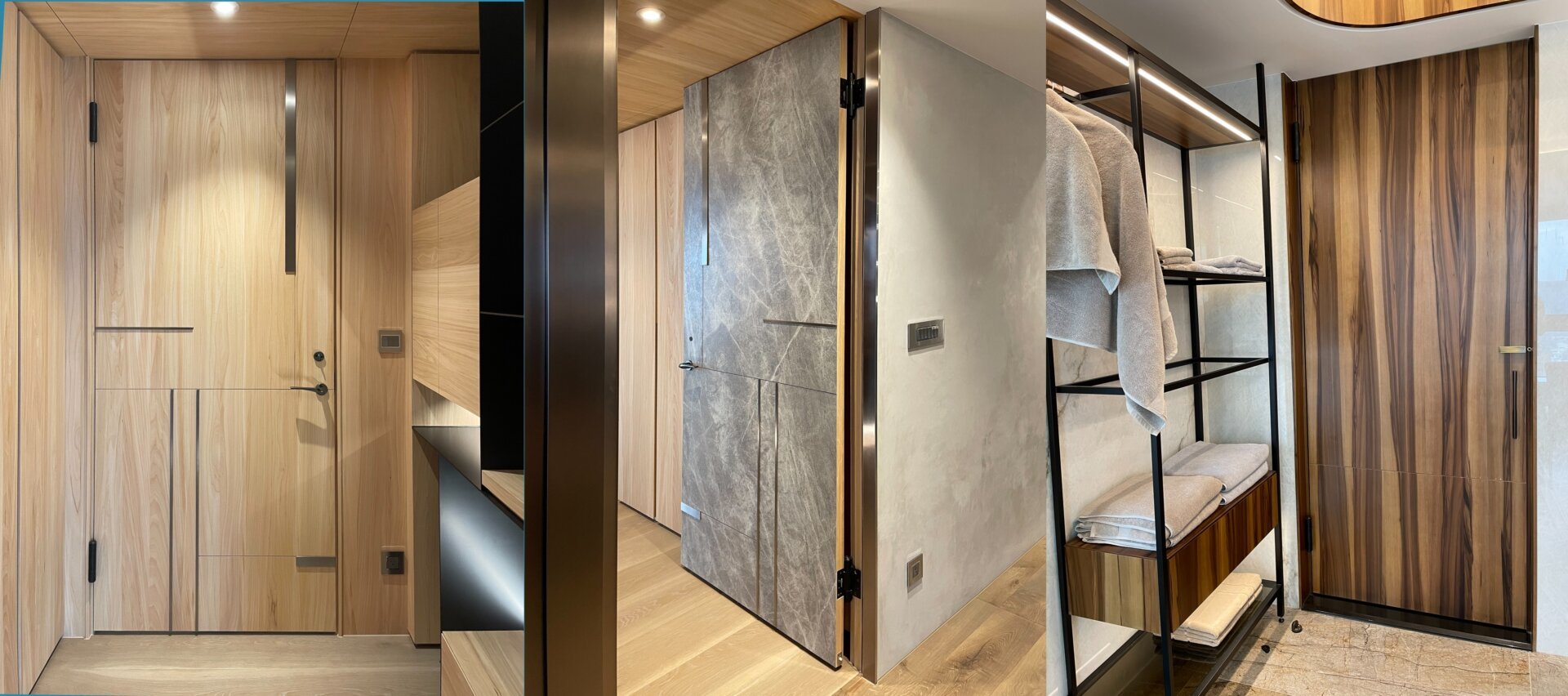
Waterson soft-close hydraulic hinges handle wind-driven slamming by controlling the full arc of the door’s movement. The moment pressure from an open window pushes the door, the hydraulic system slows it down and delivers a smooth, quiet close at the end.
Unlike traditional spring hinges or overhead closers bolted to the frame, Waterson hinges integrate all of that control directly into the hinge body. You get the same performance without any visible hardware on the door face, and installation fits into standard hinge positions, so no frame modification is needed.
You can also adjust closing speed and latch tension separately, which matters for this specific problem. Lighter pressure from a partially open window needs different settings than a full gust from a wide-open window.
Key Features of Waterson Soft-Closing Hydraulic Door Hinges Include:
- Self Closing: Built-in mechanical spring auto-closes the door every time, even under low-pressure conditions when windows are shut
- Soft Closing: Hydraulic damper absorbs wind-driven force and closes the door gently across the full swing arc, no slamming, no impact noise
- Adjustable Tension: Separate controls for swing phase (90 to 20 degrees) and latch phase (20 to 0 degrees) let you tune the closing behavior to your specific door and room conditions
- ADA Compliant: Requires less than 5 lbs of opening force, safe and accessible for all household members
- Heavy Duty: Supports doors up to 330 lbs and tested to 1,000,000 cycles. Built for long-term residential use
- Fire Rated: fire rated up to 3 hours for residential openings like garage-to-house and stairwell doors
- Hold Open Option: Keeps the door open at 85 to 90 degrees when needed, no wedge required
- Non Handed Design: Works on both left- and right-swing doors without special ordering
- Built to Last Outdoors: Available in 304 or 316 stainless steel for interior rooms, patios, and all-weather exterior entries
- Typical Applications: Interior bedroom and hallway doors, garage-to-house entries, patio doors, storm entries, stairwell doors, and any residential door affected by wind or pressure changes
- Warranty: 10 years for mechanical models, 3 years for hydraulic models.

Frequently Asked Questions About Door Slamming
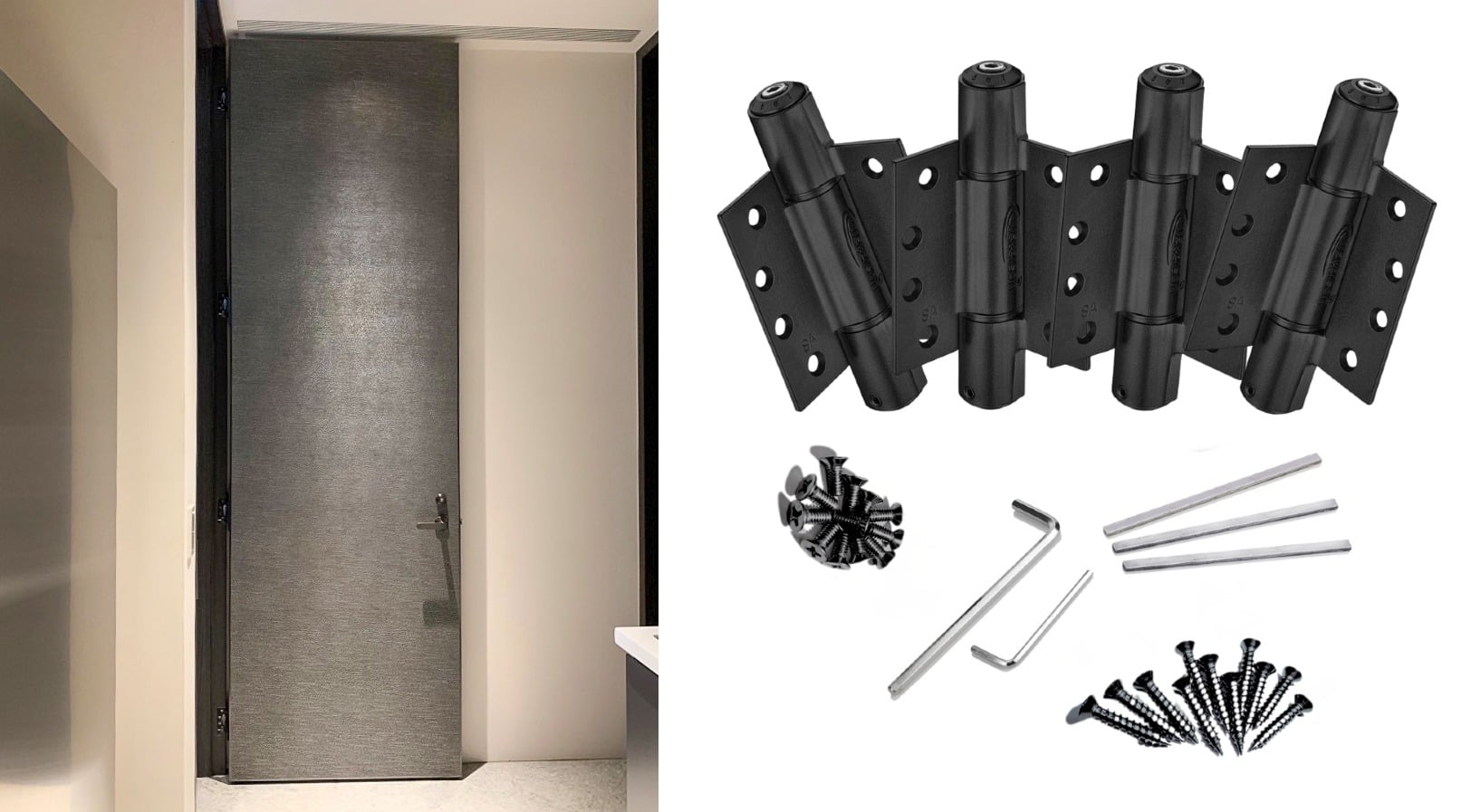
Closed windows keep indoor air pressure balanced. Open a window and air rushes in, creating a pressure difference on each side of the door that pushes it shut fast.
Repeated impact stresses the frame, loosens hinge screws, cracks trim, and wears out the latch strike plate faster than normal use.
A stopper prevents overswing but does not slow down the closing arc. The door still slams into the latch. You need speed control across the full swing, not just a limit at the end.
A standard closer is mounted visibly above the door on the frame. A hydraulic hinge integrates the same closing control inside the hinge barrel, keeping the look clean while doing the same job.
Yes. The adjustable tension settings make them suitable for lightweight interior doors as well as heavy exterior ones.
That is a spring tension issue, not a hydraulic one. Waterson hinges have separate spring adjustment, so you can dial in enough closing force to latch reliably under still conditions without causing a slam when the wind picks up.
Waterson Soft Closing Wind Resistant Hydraulic Door Hinges
Waterson soft closing hydraulic door hinges combine the function of an overhead closer and a hinge into a single, sleek component—complete with optional hold-open and door-stop features. Designed for commercial openings, gates, and glass doors, these hinges are easy to install and adjust to meet ADA and ICC A117.1 standards for opening force, while ensuring quiet and secure closure. Crafted from durable stainless steel, they are NFPA 80 compliant, UL 3-hour fire-rated, and built to perform reliably in both interior and all-weather exterior environments. See all our features.
In addition to these performance advantages, Waterson offers custom hinge services. As a direct manufacturer, we can tailor hinge sizes, finishes, and especially hinge leaf designs to meet the specific structural needs of your doors. This makes our hinges an ideal solution for door manufacturers seeking custom options that integrate seamlessly with their existing frames.
Request For Quote
Please note that Waterson Closer Hinges start from a size of 4″x4″. If you’re in need of smaller self-closing hinges, we’d recommend checking out some other resources! Also, we only provide single acting closer hinges. Thank you.
Recent Post
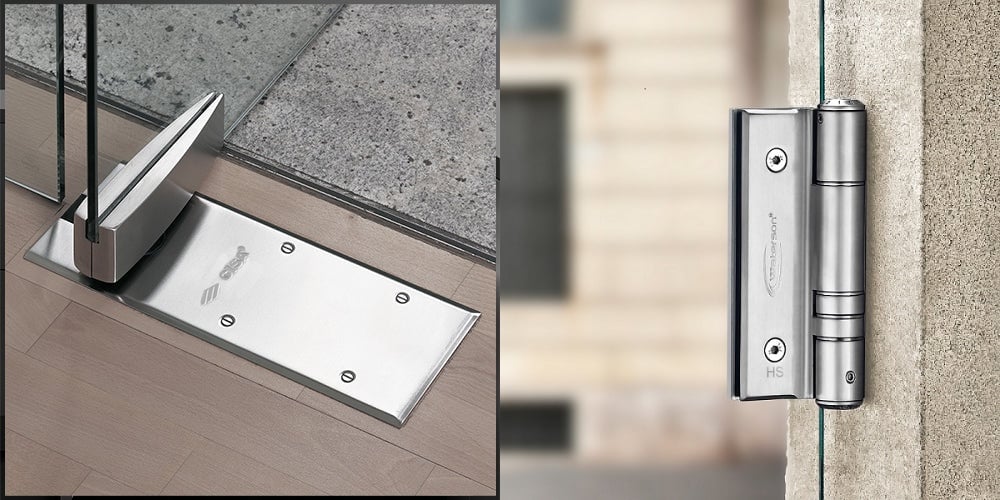
Glass Door Hinges: Floor Spring vs Spring Hinge Compared
Quick Answer Floor hinges (also called floor springs) are hydraulic closers set into the floor slab for center-hung or double-acting glass doors with fully concealed [...]
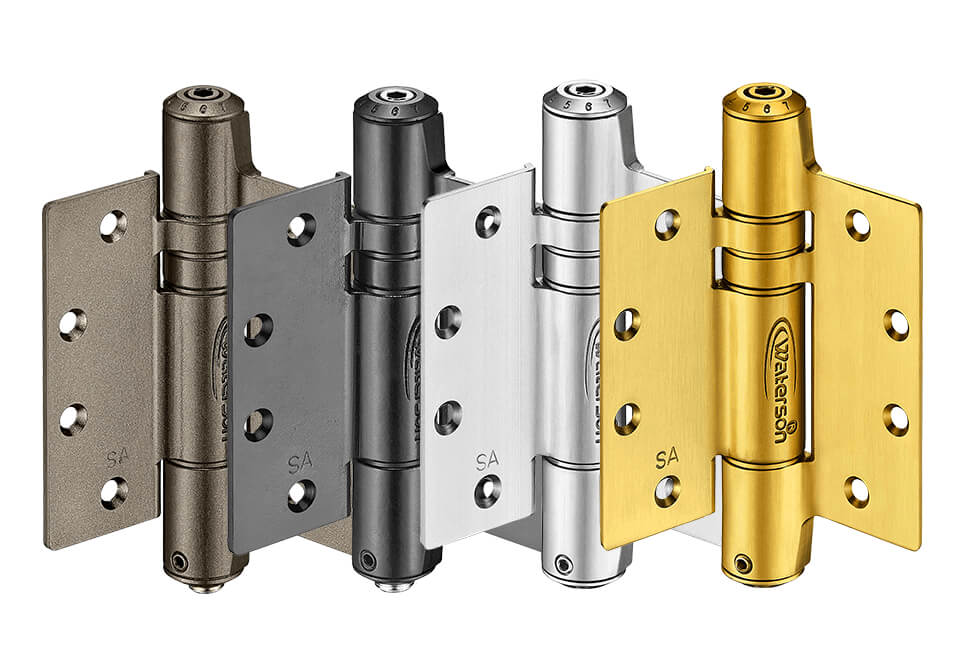
Stainless Steel Spring Hinges: Self-Closing Hinges for Interior and Exterior Doors
Quick Answer A stainless steel spring hinge is a self-closing hinge with a torsion spring inside the barrel, so it swings the door and closes [...]
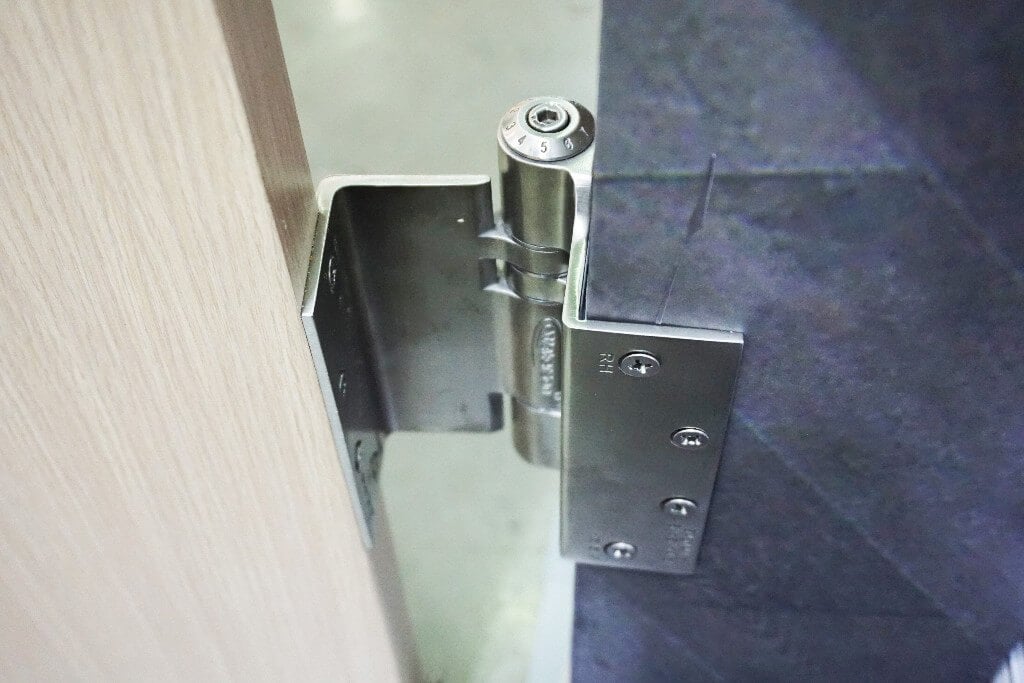
Swing Clear Offset Hinges for ADA Doorway Clearance
In hospital corridors, the rushing trolleys need wider door entrance to avoid bumping[...]