
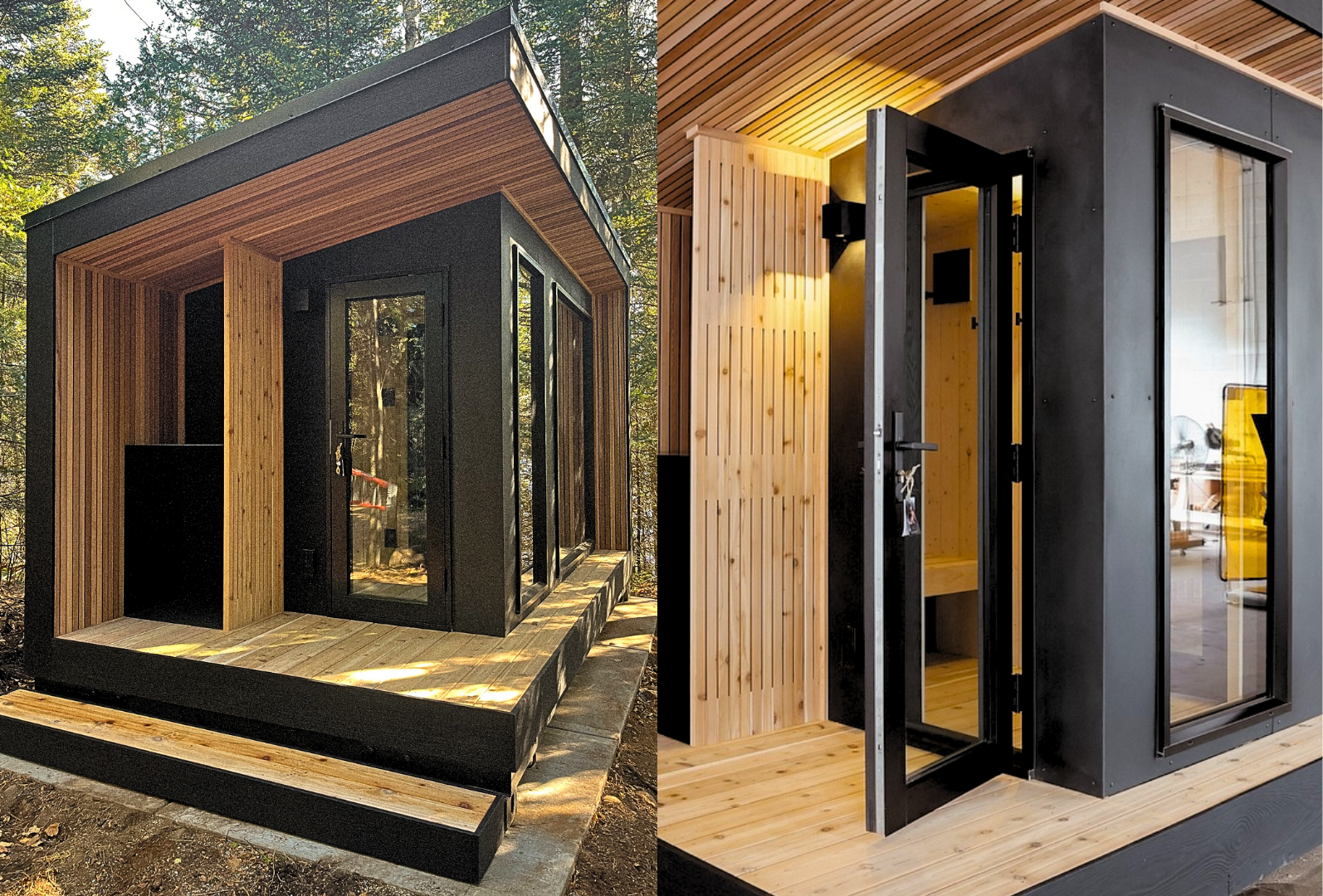
“Door size is 84″ x 36″ x 1.5″ thick. Solid cedar with a 3.5″ hinge stile and glass insert. It is for a commercial steam room, so the hinges need to be heat-tolerant (ie not hydraulic). Let me know if this is still the right product.”
Here is a fair question to open with: why would a hinge that behaves perfectly on a lobby door quit on you inside a steam room area? That is the part most spec sheets skip right past. So before we name a model, let me walk you through what sustained heat actually does to the hardware you are about to hang, because that is what decides whether this door still swings right eighteen months from now.

What Actually Happens Inside Hydraulic Steam Room Door Hinges When the Room Runs Hot and Wet All Day?
You already know how a hydraulic closer works. It meters oil through a small orifice to control the speed of the swing. A steam room runs around 40 to 49°C, but it sits at close to 100 percent humidity for hours at a time. That constant saturation is what goes after a hydraulic hinge: moisture works past the seals, the oil and gaskets degrade, and the closing behavior you set in the morning drifts by the end of the day.
So what happens if you put a hydraulic mechanism into that environment? You can watch the failures show up, almost on a schedule:
- The closing speed drifts. As the oil thins, the door starts closing faster and the backcheck goes soft. A swing you set up nicely in the morning is slamming by mid afternoon.
- The latch gets unreliable. That same thinning, plus worn seals, can leave the door a hair short of the strike, so it stops self latching the way it should.
- The seals give up. Every O-ring and gasket has a service life, and constant humidity plus daily heat cycling hardens and shrinks them until they weep oil.
- Nothing stays consistent. The mechanism is cold when the door opens and hot when it closes, so it never settles into one motion you can count on.
None of that is a defect. It is simply a hydraulic damper being asked to work in a saturated environment it was never sealed for. That is why the customer above crossed it off his list before he even asked us a question, and he was right to.
Why Does a 1.5-Inch Cedar Door With a Glass Insert Change the Hinge Math?
Look at that door again, because it is telling you something. A solid cedar leaf with a glass insert is not a generic slab, and every number in the inquiry pulls on the hardware in its own way. Here is how that opening actually reads to a hinge:
| Door attribute | The figure | What it is really asking of the hinge |
|---|---|---|
| Leaf size | 84″ x 36″ | Tall and wide, so the top pivot takes the brunt of the load and any sag shows up at the strike edge first |
| Thickness | 1.5″ solid cedar | Real weight, plus a glass insert that drags the center of gravity away from the hinge line |
| Hinge stile | 3.5″ | Narrower than a standard 4″ template, so somebody has to confirm the fit before making promises |
| Material | Cedar in a humid room | Wood that swells, shrinks, and can rack as the humidity swings, quietly pulling the latch out of line |
Two of these I would rather be straight with you about than sell around. The 3.5″ stile matters because our closer hinges start at a 4″ x 4″ template, so we will tell you honestly whether your stile can take that leaf or whether the detail needs adjusting. We would rather say that now than force a fit later. And that cedar plus glass combination means the sizing is driven by center of gravity and wood movement, not just the number on the scale. That is a heavy duty conversation, and we would want to run it against your actual frame before we quote you anything.
How Do You Keep the Hardware From Corroding When the Room Cycles Wet and Dry?
Now flip the problem over, because heat is only half of what this room throws at a hinge. A steam room barely dries at all. That wet, dry, wet rhythm is where ordinary hardware rusts on you from the inside of the knuckle outward, where you will not see it until the door starts complaining. Spec against it and it really comes down to three honest choices:
- Grade the stainless, do not just say “stainless.” 304 is fine for most dry interiors. But in a saturated, chloride heavy steam environment, 316 is the grade actually built to shrug that off. Ask which one is in your quote.
- Let the finish earn its keep. Satin brushed (US32D) and flat black (US19) are both stainless finishes that hold up in humidity, so you are not trading corrosion resistance for the look you want.
- Do not let the fasteners betray you. Mix metals in a wet enclosure and you invite galling and galvanic corrosion, so the screws have to be part of the same conversation as the hinge.
Get the grade right and the door looks and moves the same after years of daily heat and steam. Get it wrong and the finish will tell on you inside a single season.
Will the Door Still Self-Close and Latch on the Last Booking of the Day?
A commercial steam room door has to self close, both to hold the heat in and to keep egress orderly. A hydraulic damper drifts as the room heats up over the day, and that drift is the whole problem. A mechanical spring closer has no fluid to thin, so its closing force does not chase the room temperature around. It closes the same when the room is hot as it does when the room is cold.
That is also what makes anti slam worth something here. Your occupants are often sitting an arm’s length from the door, so a controlled final approach protects the people and the leaf both. And when your staff want the door parked open to clean or air the room between sessions, a built in hold open keeps it there without a floor wedge, then lets go on command. In a hot, humid, high turnover room, predictable steam room door hinges are not a nice to have. They are the difference between a door that stays quiet and compliant all day and one you are back out adjusting every week.
How Does Waterson Fit a Commercial Steam Room Opening?
Waterson mechanical self-closing door hinges are built in investment casting, with SS304 or SS316 stainless, and built for exactly this kind of duty: commercial, high-traffic openings living in harsh conditions. Some of the features that matter most here include:
- Stainless Steel: Corrosion resistant, with 316 on the table for saturated steam and high moisture rooms where lesser hardware starts to pit.
- Self-Closing Mechanism: A mechanical spring closer with no temperature sensitive oil, so the closing stays consistent from a cold open to a fully heated room. This is the non hydraulic answer your application is asking for.
- Anti Slam: Controls that last few degrees into the frame, so a heavy cedar leaf never slams next to a seated guest.
- Hold Open: Optional built in hold open parks the door for cleaning and airing, with no floor wedge and no overhead arm in the way.
- Door Stops: Built in stops protect the frame and the wall on a wide, heavy leaf that would otherwise overswing.
- Heavy Duty: Sized for a tall, wide door carrying a glass insert, and built to hold its alignment and its closing feel over a long service life.
- Fire Rated: UL 3-hour fire rating and NFPA 80 compliance where the opening calls for it. Confirm the assembly with your AHJ.
- 3-10 Year Warranty: Backed for 3 to 10 years warranty.
And because the whole closing mechanism lives inside the hinge barrel, you get controlled self closing and optional hold open without an overhead closer fighting for the head space above a steam room frame.
Waterson Stainless Steel Steam Room Door Hinges
Waterson self closing door hinges combine the function of an overhead closer and a hinge into a single, sleek component—complete with optional hold-open and door-stop features. Designed for commercial openings, gates, and glass doors, these hinges are easy to install and adjust to meet ADA and ICC A117.1 standards for opening force, while ensuring quiet and secure closure. Crafted from durable stainless steel, they are NFPA 80 compliant, UL 3-hour fire-rated, and built to perform reliably in both interior and all-weather exterior environments. See all our features.
In addition to these performance advantages, Waterson offers flexible customization services. As a direct manufacturer, we can tailor hinge sizes, finishes, and especially hinge leaf designs to meet the specific structural needs of your doors. This makes our hinges an ideal solution for door manufacturers seeking custom options that integrate seamlessly with their existing frames.
Request For Quote
Please note that Waterson closer hinges start from a size of 4″x4″. If you’re in need of smaller self-closing hinges, we’d recommend checking out some other resources! Also, we only provide single acting closer hinges. Thank you.
Recent Post
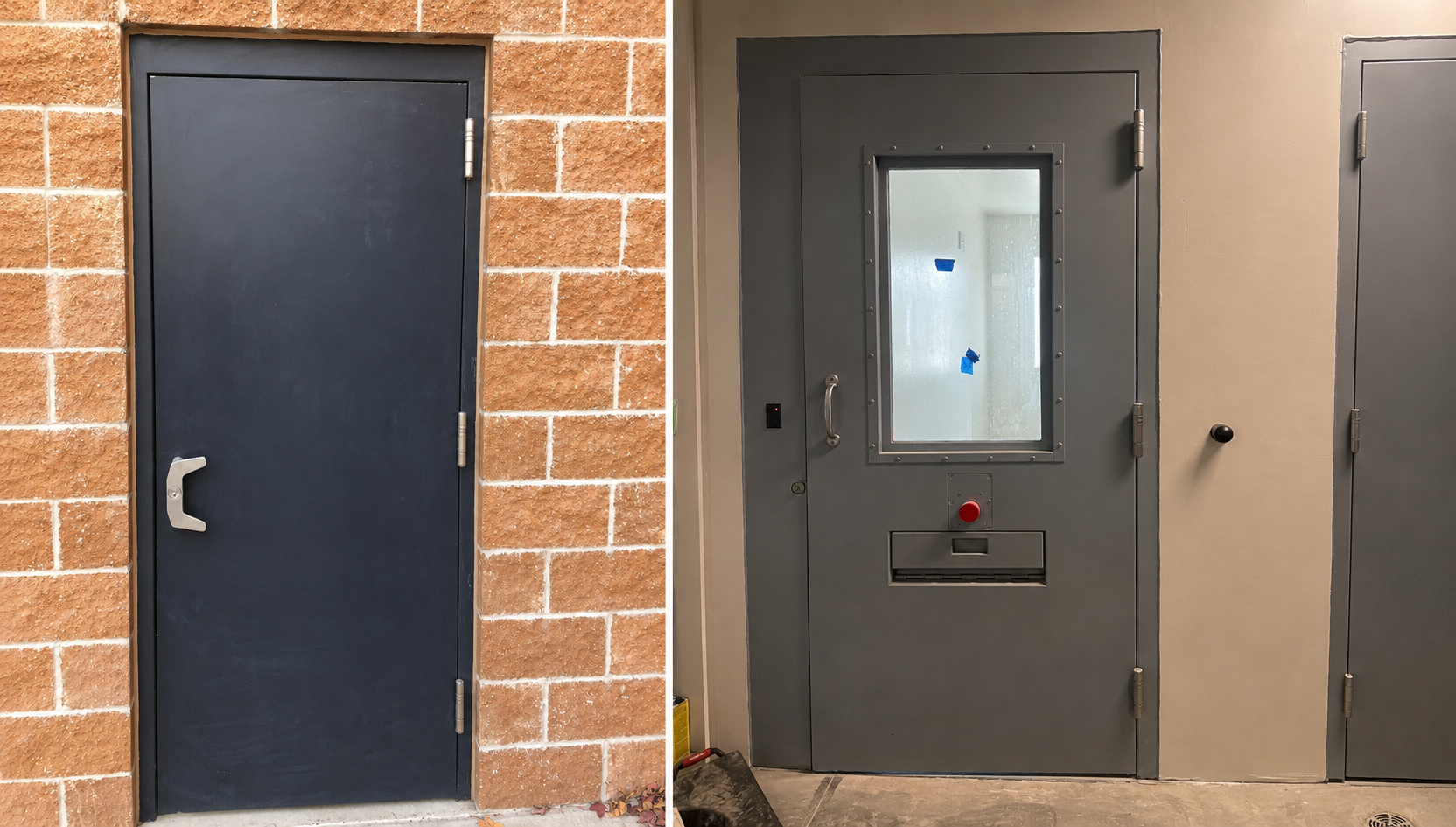
How Many Self Closing Hinges Per Door? The NFPA 80 Rule vs. Waterson Sets for Fire & Arched Doors
Quick Answer Choosing a Waterson self-closing hinge set takes two steps. First, door height sets how many Waterson hinges you need: 2 for a 6 [...]
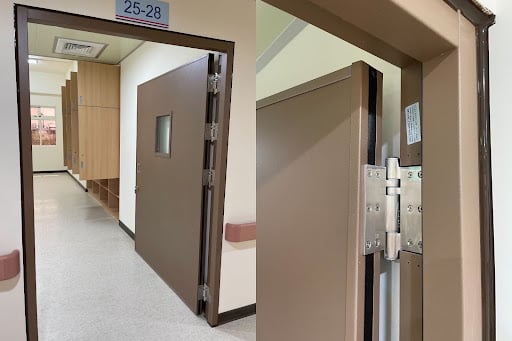
NFPA 80 Residential Fire Door Requirements: 13 Point Inspection Checklist
Quick Answer NFPA 80 is the standard that defines minimum requirements for fire door installation, inspection, and maintenance in buildings. It requires fire doors to [...]
Unequal Double Door Hinges: How to Self Close Both Leaves with No Overhead Closer
Quick Answer An unequal double door is a pair with one wide active leaf and one narrow inactive leaf, sized so the active leaf alone [...]