

| What is a Piston Closer?
A piston closer, sometimes called a pneumatic door closer or air-powered door closer, uses a cylinder filled with compressed air to control how fast a door closes. When you push the door open, you compress air inside the piston chamber. As you release the door, that pressurized air slowly releases, pushing a rod back and pulling the door shut behind you.
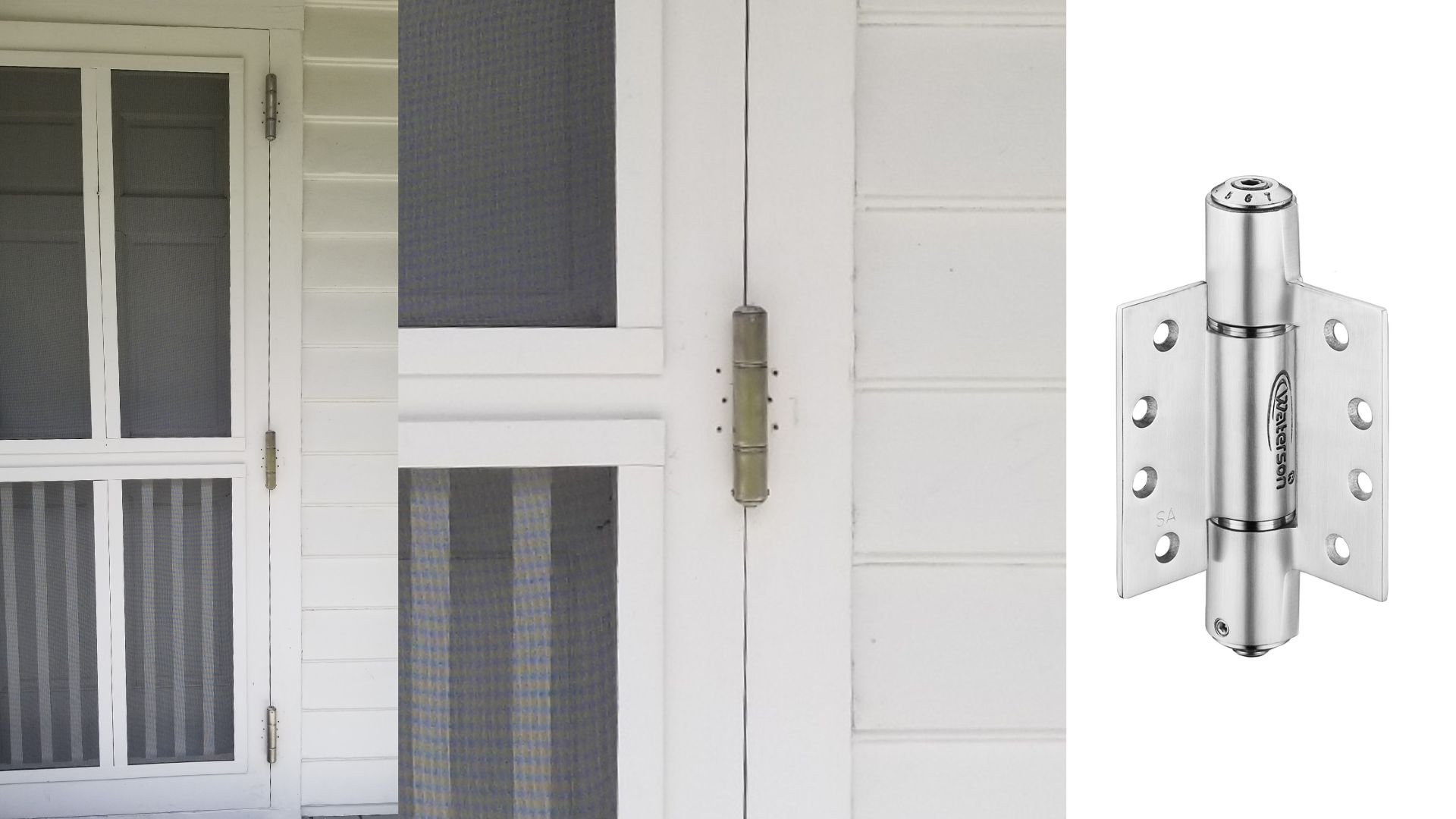
You’ll find piston closers most often on screen doors and storm doors in older homes. They typically mount along the top edge of the door frame with a metal arm that connects to the door itself. The closing speed can usually be adjusted with a small screw on the end of the cylinder.
Where they show up: Entry-level screen doors, older storm doors, temporary or budget applications.
The honest tradeoff: They’re inexpensive and simple. But compressed air systems are sensitive to temperature swings, they wear out faster than hydraulic alternatives, and once that air seal degrades, the closer loses its control entirely. In a warm climate or on a door that sees a lot of daily use, that can happen sooner than you’d expect.
| What Is a Screen Door Closer?
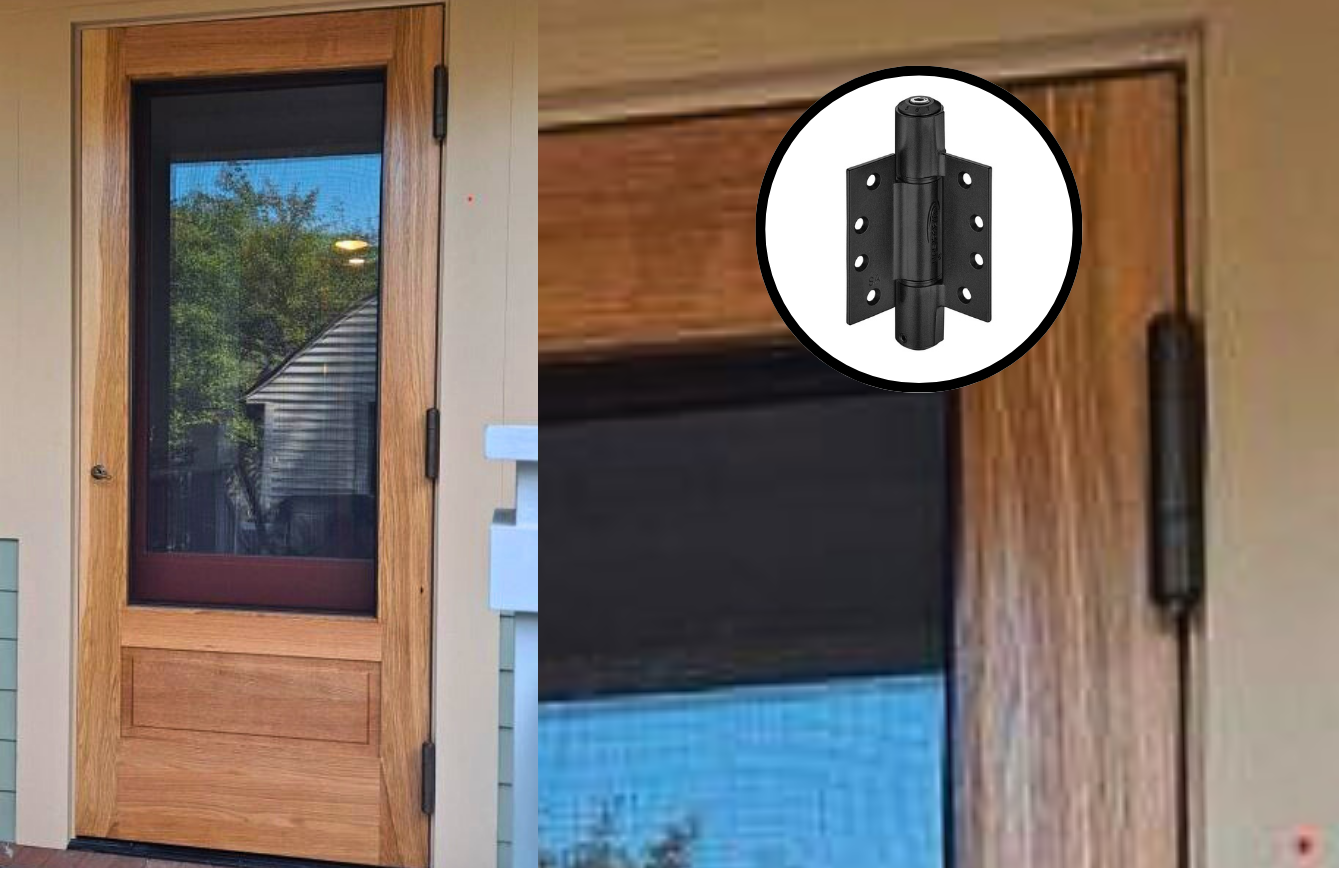
A screen door closer is a broader category, referring to any hardware that automatically closes your screen or storm door after use. This includes pneumatic piston closers, but it also includes the more advanced generation of hydraulic hinge closers, which combine the door hinge and the closing mechanism into a single, sleek component.
The key word that separates modern screen door closers from traditional piston closers is hydraulic control. Instead of air, hydraulic closers use oil to manage the door’s movement. Oil doesn’t compress the same way air does, which means the closing speed stays consistent regardless of temperature, whether you’re dealing with a summer breeze or a sudden winter gust slamming your back porch door.
Who benefits most: Homeowners who want a set-and-forget solution. If you have kids running in and out all day, pets who push through doors carelessly, or you simply don’t want to hear a door slam at 11pm when someone comes home late, a hydraulic screen door closer is what you’re looking for.
Where they show up: Residential screen doors, back porch doors, pet doors, light exterior doors, and any opening where you want ADA-compliant controlled closing without the overhead bar of a traditional commercial closer.
| Piston Closers vs Screen Door Closers: Full Comparison
Here’s a straight side-by-side look at how these two types stack up across every dimension that matters to a practical homeowner:
| Feature | Piston Closer (Pneumatic) | Modern Screen Door Closer (Hydraulic Hinge) |
|---|---|---|
| Closing Mechanism | Compressed air cylinder | Hydraulic oil-damped spring hinge |
| Soft-Close Action | Limited; degrades with wear | Yes, oil-controlled and consistent |
| Anti-Slam Protection | Basic; can slam in wind | Yes, buffering feature included |
| Material | Steel or aluminum (varies) | 304 / 316 stainless steel |
| Weatherproof / Rust-Resistant | Limited, prone to rust | Yes, corrosion resistant, all-weather |
| Temperature Sensitivity | High, air expands and contracts | Low, hydraulic fluid stays stable |
| Wind Resistance | Weak, can blow open or slam | Dynamic braking responds to gusts |
| ADA Compliance | Rarely tested or certified | Yes, meets ADA and ICC A117.1 (5 lbs / 5 sec) |
| Speed Adjustment | Single screw, limited range | Multi-position buffering and tension control |
| Child and Pet Safety | No, can slam on fingers | Yes, controlled closing with no impact |
| Visibility / Aesthetics | External bar mounted on door | Concealed hinge design, clean look |
| Installation | Moderate, multiple brackets and arms | Simple, standard hinge pattern, no extra drilling |
| Durability / Cycle Rating | Low to moderate | ANSI/BHMA A156.7 Grade 1, over 1,000,000 cycles |
| Application Range | Screen and storm doors only | Screen, porch, glass, gate, pet, and exterior doors |
| Mechanical Warranty | Typically 1 year or none | 10 years (interior and exterior) |
| Hydraulic Warranty | N/A | 5 years interior / 3 years exterior |
| Long-term Cost | Higher. Frequent replacements add up | Lower. Durable construction and warranty reduce total cost of ownership |
Warranty data sourced from Waterson USA.
Mechanical hinges: 10 years interior and exterior. Hydraulic hinges: 3 years.
Certain exclusions apply; see the warranty statement at watersonusa.com.
| So in the End: Which Type of Door Closer Is Better for Screen Doors, Piston or Another Kind?
| The Best Screen Door Closers for Your Home: Waterson Hydraulic Hinge
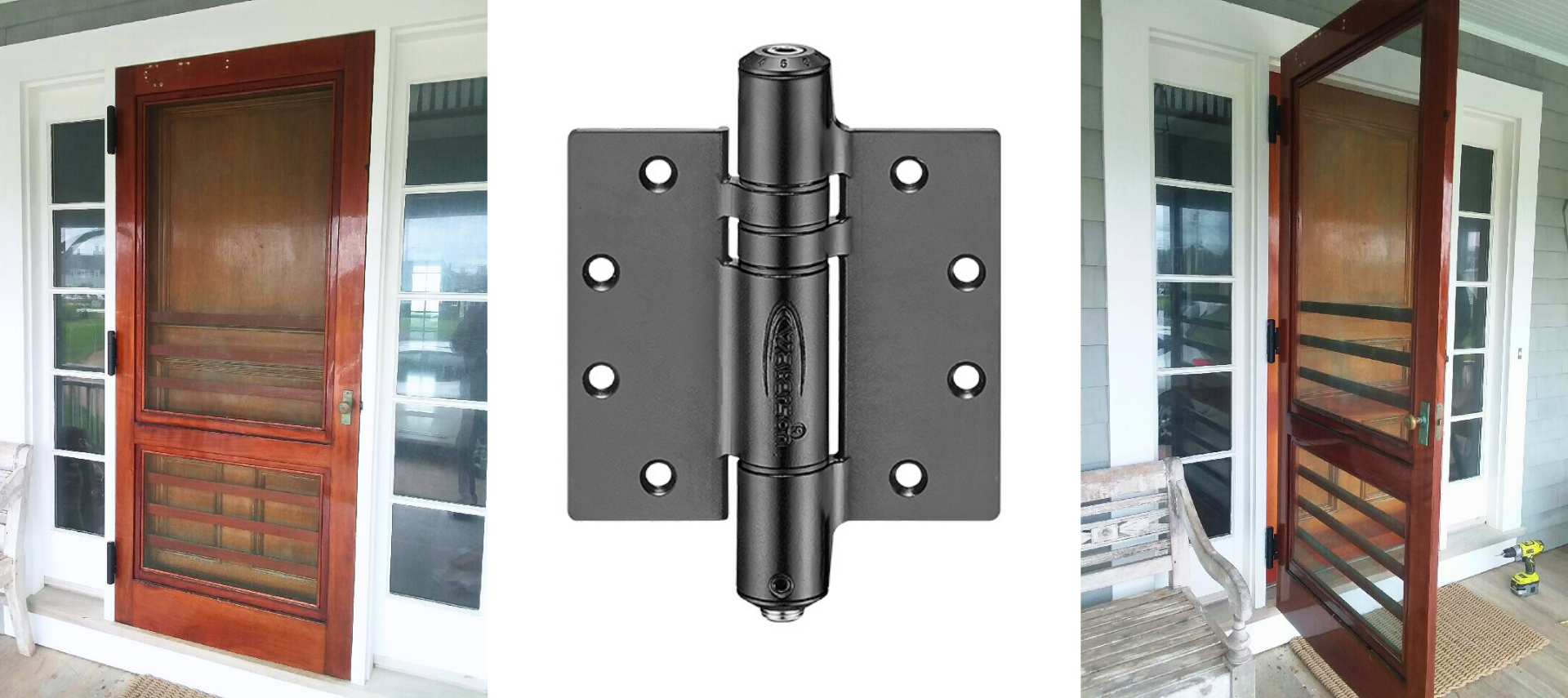
If you want a screen door closer that handles everything a busy household throws at it, from curious pets to slamming teenagers to an afternoon thunderstorm, Waterson’s stainless steel hydraulic hinge closers are built exactly for that job.
Made with marine-grade stainless steel and tested to over one million cycles, these are not consumer-grade hardware. But they install the same way a standard hinge does, which means a capable DIY homeowner can put a full set in on a Saturday morning without calling a contractor.
Key Features of Waterson Stainless Steel Screen Door Closers Include:
- Soft Closing: Safe for Kids and Pets. Oil-controlled dynamic braking responds to sudden wind changes and heavy pushes without slamming. Little fingers and curious pets are protected automatically.
- Anti Slamming: Protects Your Door Frame. Waterson’s controlled close eliminates slamming impact, protecting your frame and keeping things quiet when it counts.
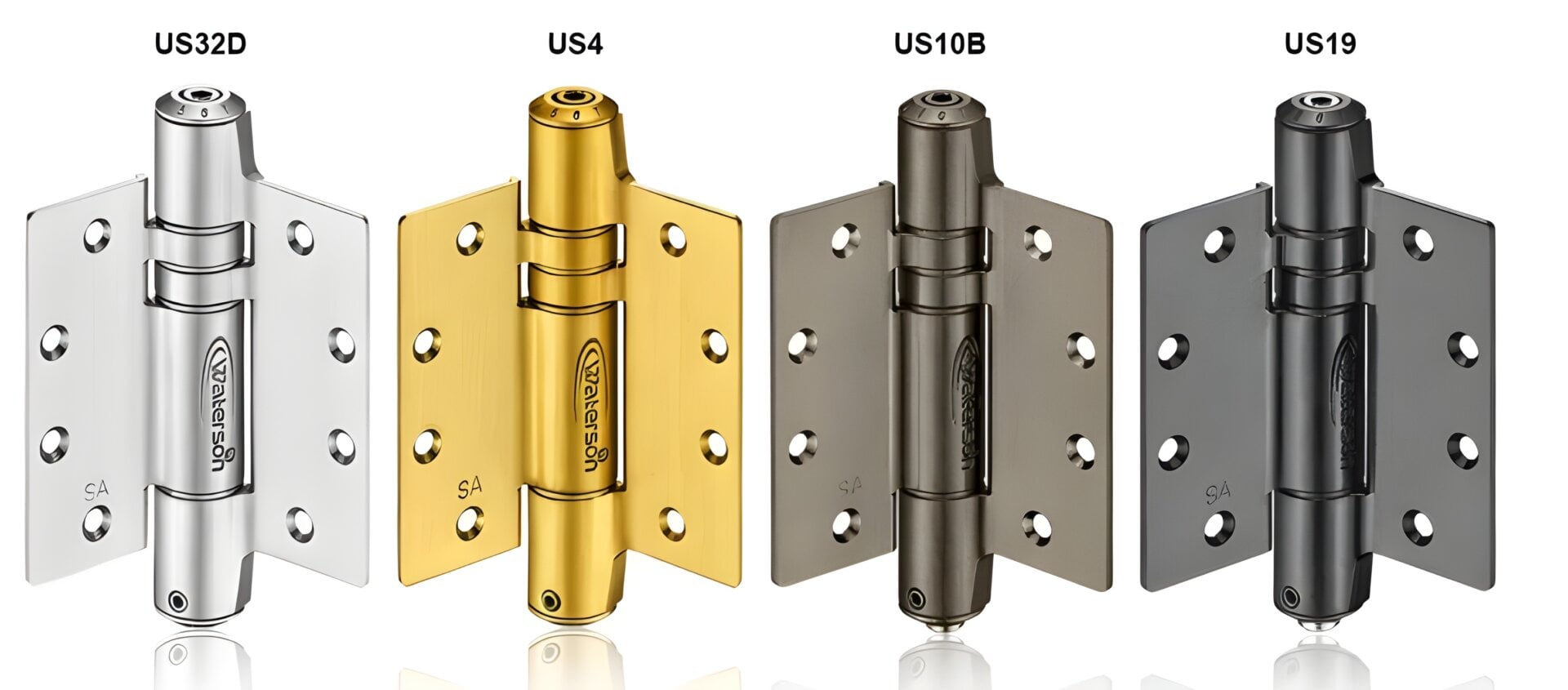
- Stainless Steel: Built to Last Outside. Available in 304 and 316 stainless steel. Rustproof, corrosion-resistant, and built for year-round exterior use.
- Weatherproof: All-Season Performance. Performs reliably across temperatures and weather conditions, from Minnesota winters to Florida summers.
- Smooth and Quiet: Hydraulic fluid controls door movement from start to finish. No banging, no rattling. Just a smooth, quiet close every time.
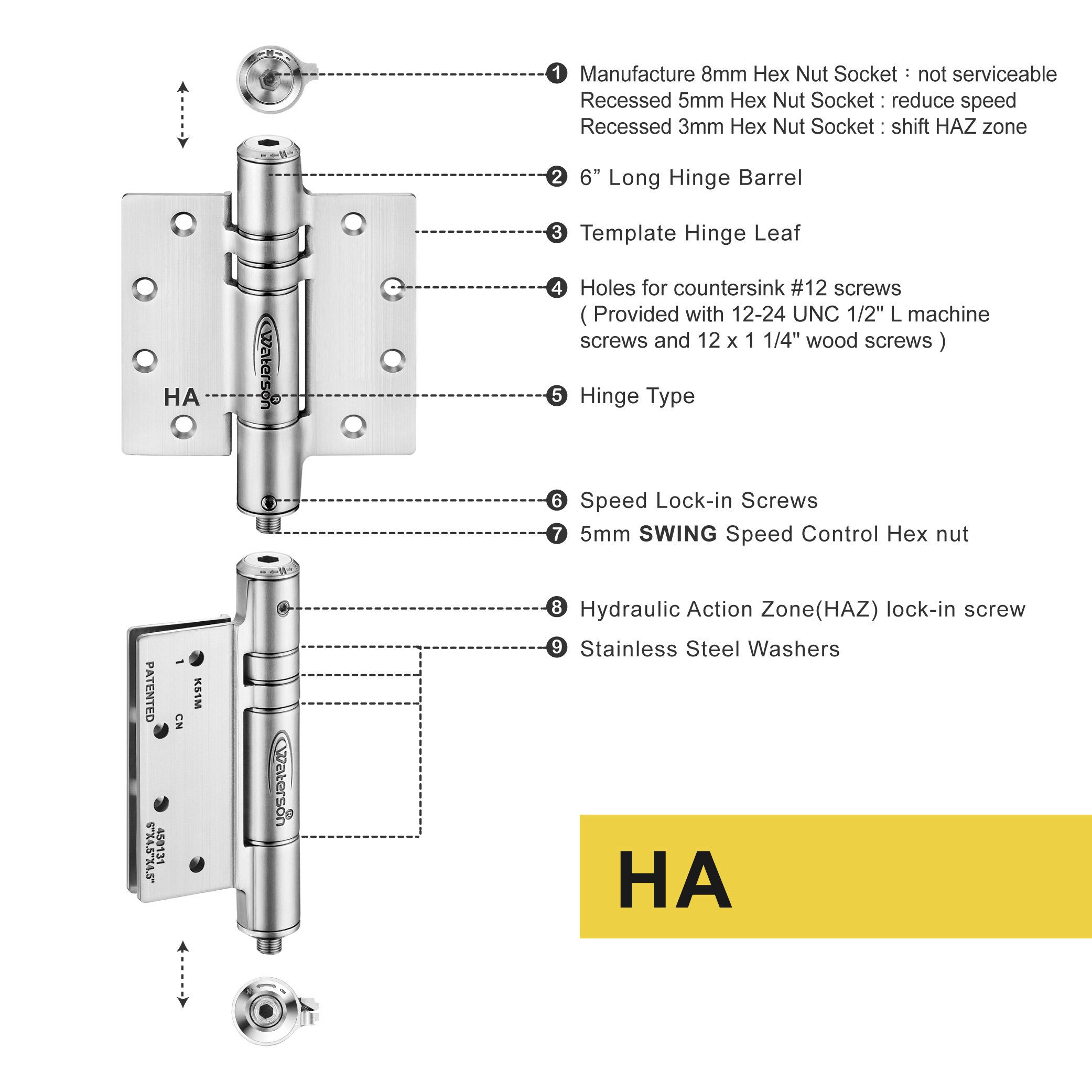
- Adjustable Buffering: You Set the Speed. Three adjustable settings let you dial in the exact closing speed for your household. Adjust with a simple hex key.
- ADA Compliant: Easy for Everyone. Meets ADA and ICC A117.1 requirements for 5 lbs opening force and a 5-second close from 90 to 12 degrees.
- Warranty: 10 Years Mechanical, 3 Years Hydraulic. Mechanical components carry a 10-year warranty for interior and exterior use. Hydraulic function is covered for 5 years interior and 3 years exterior.
Waterson Self Closing Hinges for Screen Door
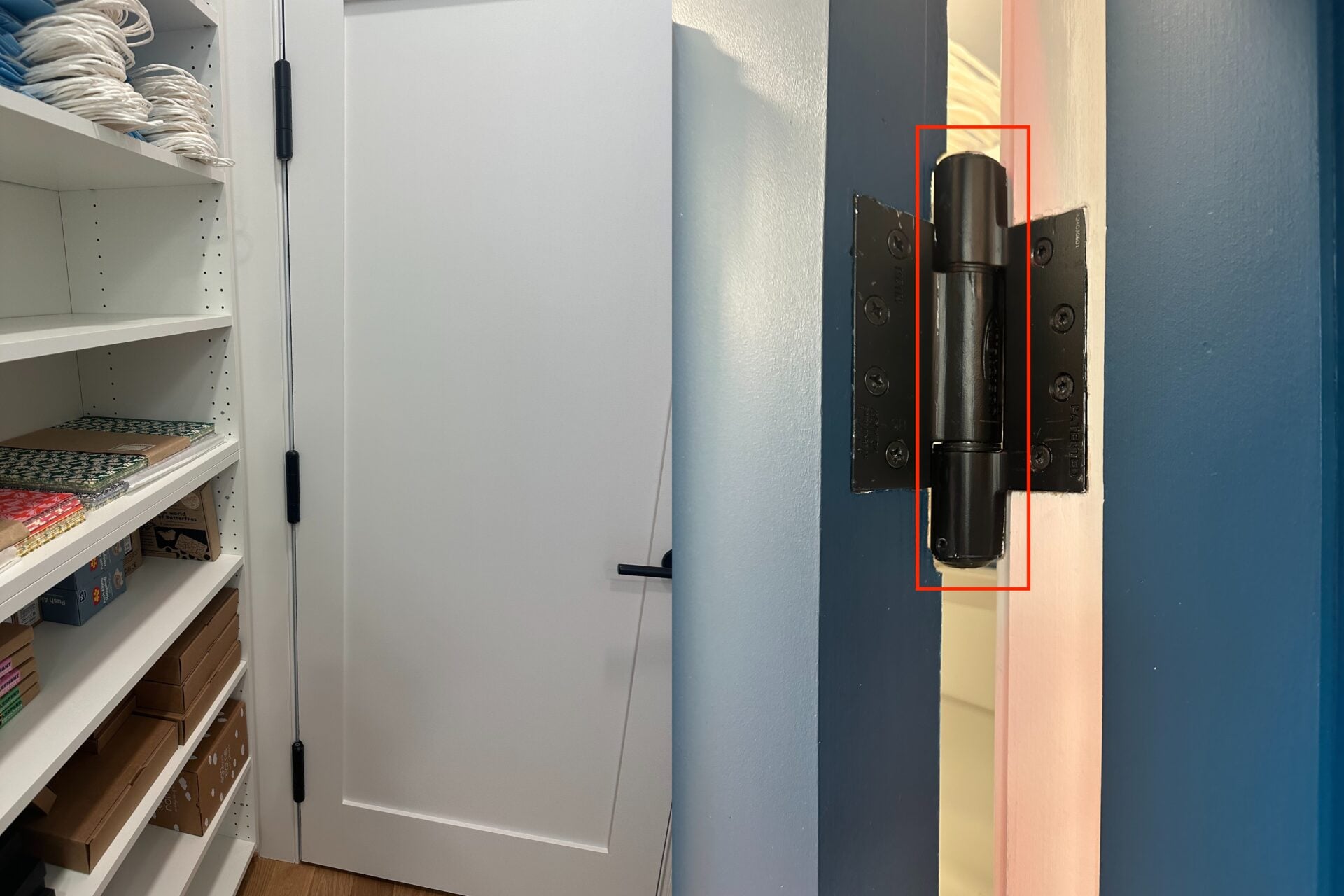
Waterson hydraulic hinge closers combine the function of an overhead closer and a hinge into a single, sleek component—complete with optional hold-open and door-stop features. Designed for commercial openings, gates, and glass doors, these hinges are easy to install and adjust to meet ADA and ICC A117.1 standards for opening force, while ensuring quiet and secure closure. Crafted from durable stainless steel, they are NFPA 80 compliant, UL 3-hour fire-rated, and built to perform reliably in both interior and all-weather exterior environments. See all our features.
In addition to these performance advantages, Waterson offers custom hinge services. As a direct manufacturer, we can tailor hinge sizes, finishes, and especially hinge leaf designs to meet the specific structural needs of your doors. This makes our hinges an ideal solution for door manufacturers seeking custom options that integrate seamlessly with their existing frames.
Request For Quote
Please note that Waterson Closer Hinges start from a size of 4″x4″. If you’re in need of smaller self-closing hinges, we’d recommend checking out some other resources! Also, we only provide single acting closer hinges. Thank you.
Recent Post
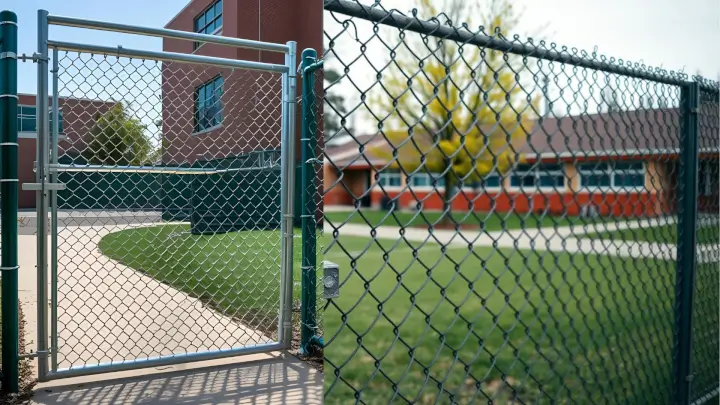
Can Waterson Self Closing Gate Hinges Work on a Chain Link Fence
"Hi, we're closing out a commercial lot and the spec calls for self closing hinges on the entry gates. These are customized metal gates: a [...]
Waterson Self Closing Hinges Canada Policy
Waterson provides self-closing hinges for architectural and construction projects across Canada. Below is an overview of how we support Canadian customers, from shipping and certification [...]
Retrofit: Is Your Standard Hinge Clearance Enough for the Waterson Hinge Barrel
"I bought these to replace standard 4 inch hinges, which, when open are 4 inches wide x 4 high. The Waterson hinges are 4 5/16 [...]